


Sep . 02, 2025 01:00 Back to list
Optimal Car Air Filter: Engine Protection & Performance
The Critical Role of the Car Air Filter in Vehicle Performance
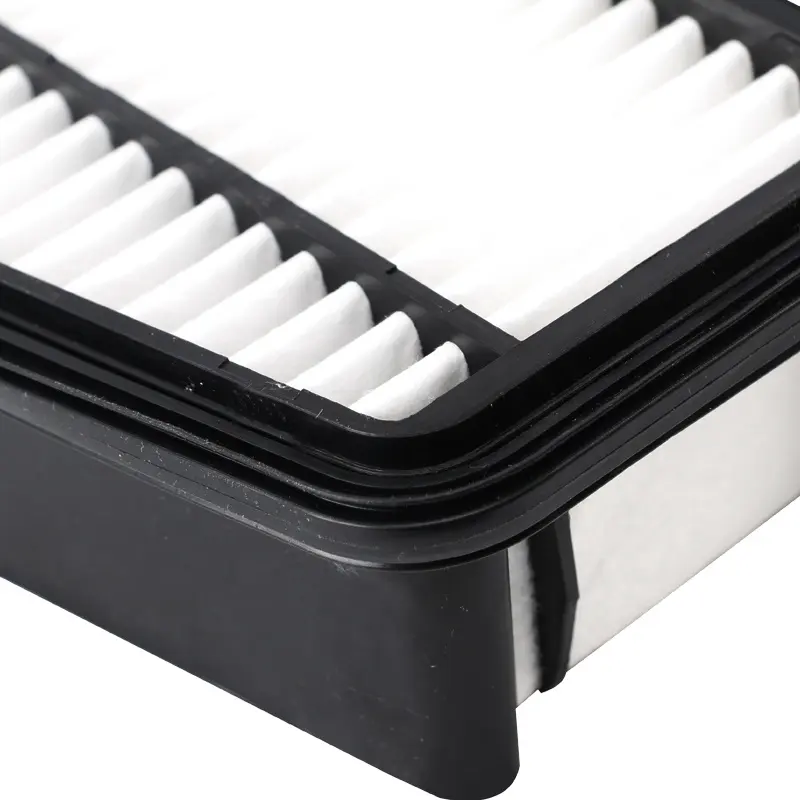
In the intricate ecosystem of an internal combustion engine, the car air filter stands as a paramount component, safeguarding the engine from airborne contaminants and ensuring optimal operational efficiency. This critical filtration device prevents dust, dirt, pollen, and other particulate matter from entering the engine's combustion chambers, which could otherwise lead to premature wear, reduced performance, and increased emissions. For B2B decision-makers and engineers in the automotive sector, understanding the nuances of filter design, manufacturing, and application is essential for maintaining vehicle longevity and achieving stringent environmental compliance.
As a specialized intake air filter, its role extends beyond mere particulate capture; it is a key determinant of fuel economy, engine horsepower, and overall engine health. The following discourse delves into the comprehensive aspects of automobile air filters, from industry trends and technical specifications to manufacturing processes and critical application scenarios.
Industry Trends in Automotive Filtration
The automotive filtration market is undergoing significant evolution, driven by stricter emission regulations, the advent of electric and hybrid vehicles, and growing consumer demand for enhanced cabin air quality. Key trends include:
- Advanced Filtration Media: Development of multi-layered synthetic media offering superior dust holding capacity and filtration efficiency compared to traditional cellulose papers, extending service intervals and improving engine protection.
- Lightweighting: Manufacturers are increasingly utilizing lightweight materials for filter frames and housings to reduce overall vehicle weight, contributing to better fuel efficiency and lower carbon footprints.
- Smart Filtration Systems: Integration of sensors to monitor filter condition, airflow restriction, and remaining service life, enabling predictive maintenance and optimizing filter replacement schedules.
- Sustainability and Recyclability: Focus on eco-friendly materials and designs that facilitate easier recycling at the end of the filter's life cycle.
- NVH (Noise, Vibration, Harshness) Optimization: Designing the intake air filter system to minimize induction noise, contributing to a quieter and more refined driving experience for passenger car air filter applications.
These trends reflect a broader industry push towards more efficient, durable, and environmentally conscious automotive components, directly impacting the design and performance of the modern car air filter.
The Manufacturing Process of an Advanced Car Air Filter
The production of a high-performance car air filter involves a meticulous process, integrating material science with precision engineering. Adherence to international standards such as ISO 5011 (for filter performance testing) and IATF 16949 (for automotive quality management systems) is paramount.
Process Flow Schematic:
High-grade filter media (cellulose, synthetic non-woven fabric, multi-layer composites), durable polyurethane for end caps, robust sealing gaskets. Emphasis on heat resistance and chemical inertness.
Precision pleating machines form the filter media into a corrugated structure, maximizing surface area. Pleat depth and count are critical for airflow and dust holding capacity.
Polyurethane or plastic end caps are molded directly onto the pleated media, creating a hermetic seal. This prevents bypass leakage, a common failure point for an intake air filter.
Curing processes ensure robust bonding and material integrity. Some designs may involve assembling multiple filter elements or structural components.
Rigorous testing for filtration efficiency, dust holding capacity, pressure drop, burst strength, and dimensional accuracy to meet ISO/ANSI standards. Each car air filter must perform consistently.
Filters are carefully packaged to prevent damage during transport and storage, ready for distribution to OEMs or aftermarket channels.
The target industries for these advanced filters include Automotive OEMs (Original Equipment Manufacturers), aftermarket parts distributors, and fleet management companies focused on maintaining light and heavy-duty vehicles. Advantages typically include improved energy saving through optimized engine performance and exceptional corrosion resistance for filter components exposed to harsh under-hood conditions, extending the service life of the entire system.
Technical Specifications and Performance Parameters
Understanding the technical parameters of a car air filter is crucial for engineers to select the appropriate product for specific engine requirements. Key performance indicators (KPIs) are rigorously tested and documented.
These specifications directly influence the filter's effectiveness in protecting the engine, its contribution to fuel efficiency, and its overall lifespan. Regular assessment against these benchmarks ensures that a car air filter meets or exceeds OEM requirements, particularly for applications like an air filter with regulator systems in commercial vehicles where consistent performance is paramount.
Application Scenarios and Technical Advantages
The application of a robust car air filter extends across diverse vehicle types and operational environments, delivering critical technical advantages:
- Passenger Vehicles: Ensures clean air for optimal combustion in gasoline and diesel engines, contributing to improved fuel economy (up to 10% in some cases with a clean filter) and reduced emissions (NOx, PM). A clean intake air filter is critical for meeting Euro 6/Tier 3 emission standards.
- Commercial Fleets (Trucks, Buses): In heavy-duty applications, advanced filtration prevents engine wear from higher dust loads, significantly extending engine life. This translates to lower maintenance costs and maximized uptime for fleet operators.
- Off-Road and Construction Equipment: Operating in extremely dusty conditions, these vehicles demand superior dust holding capacity and robust construction. Filters designed for these applications provide enhanced protection against abrasive particles, prolonging engine overhaul intervals.
- Marine Engines: Exposure to salt mist and corrosive elements necessitates filters with corrosion-resistant components and excellent moisture separation capabilities.
Key Technical Advantages:
- Engine Longevity: By preventing abrasive contaminants from reaching critical engine components, filters drastically reduce wear on piston rings, cylinder walls, and bearings, thereby extending the engine's operational life.
- Optimized Fuel Efficiency (Energy Saving): A clean filter ensures unrestricted airflow to the engine, allowing it to "breathe" efficiently. Reduced airflow restriction means the engine doesn't have to work harder, leading to better combustion and improved fuel economy. For example, a clogged air filter can reduce fuel efficiency by up to 10-15% according to some industry reports (e.g., U.S. Department of Energy).
- Enhanced Engine Performance: Optimal air-fuel mixture leads to maximum horsepower and torque output. A compromised car air filter can starve the engine of air, resulting in noticeable power loss and sluggish acceleration.
- Corrosion Resistance: High-quality filter frames and sealing materials are formulated to resist degradation from moisture, chemicals, and extreme temperatures encountered in the engine bay, ensuring structural integrity and consistent sealing over time. This is especially crucial for vehicles operating in coastal regions or areas with high humidity.
- Reduced Emissions: Efficient filtration promotes complete combustion, minimizing the release of harmful pollutants such as particulate matter and unburnt hydrocarbons, aligning with global environmental regulations.
Vendor Comparison and Selection Criteria for Your Car Air Filter Supply
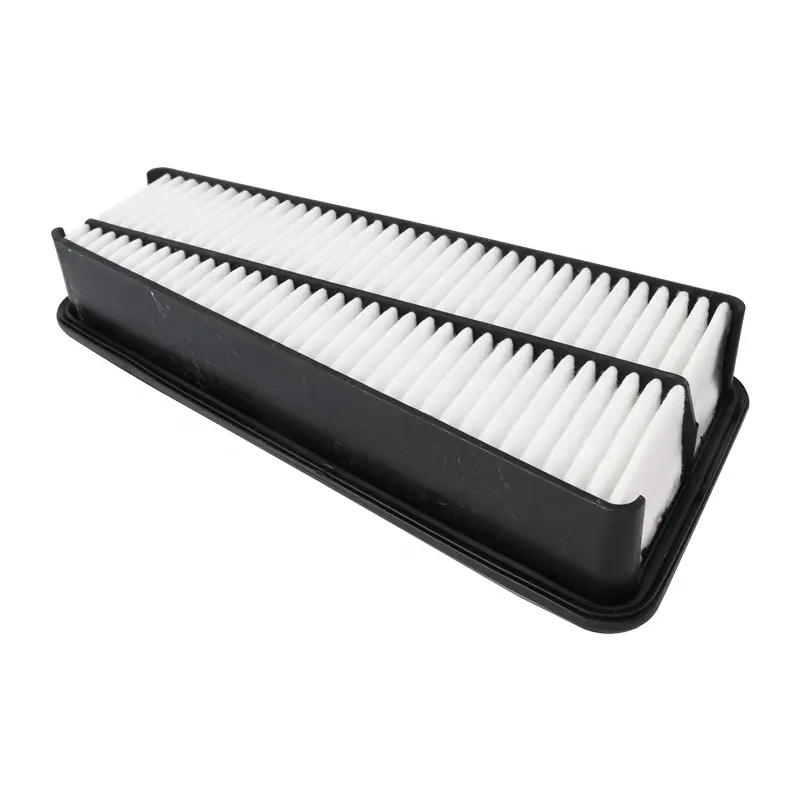
Choosing the right supplier for car air filter products is a strategic decision for any automotive business, whether OEM or aftermarket. Several factors differentiate leading manufacturers, particularly when considering a china car air filter supplier:
For critical automotive applications, opting for a supplier that consistently meets stringent quality and performance criteria, demonstrated through credible certifications and robust manufacturing processes, is imperative. This ensures the reliability and optimal function of every car air filter supplied.
Customized Solutions for Automotive OEMs and Aftermarket
The automotive industry often requires bespoke filtration solutions to accommodate specific vehicle models, engine configurations, or operating conditions. Leading manufacturers offer comprehensive customization capabilities:
- Bespoke Designs: Engineers collaborate with clients to design car air filter elements that perfectly fit existing airbox dimensions, optimizing airflow and filtration efficiency without requiring extensive system modifications. This includes unique shapes (e.g., conical, panel, cylindrical) and specific housing interfaces.
- Specialized Media Selection: Tailoring the filter media to meet unique performance demands. For instance, high-flow synthetic media for performance vehicles, or water-repellent media for vehicles operating in humid environments or requiring an air filter with regulator.
- Integrated Sensor Compatibility: Designing filters to seamlessly integrate with existing or new sensor technologies (e.g., mass airflow sensors, differential pressure sensors) for real-time monitoring and intelligent maintenance scheduling.
- Material Optimization: Customizing frame materials for enhanced durability, temperature resistance, or chemical compatibility, especially for applications in extreme conditions or with specific fluid contact.
- Private Labeling and Packaging: Providing branded solutions for aftermarket partners, ensuring consistency with their brand identity while delivering high-quality filtration products.
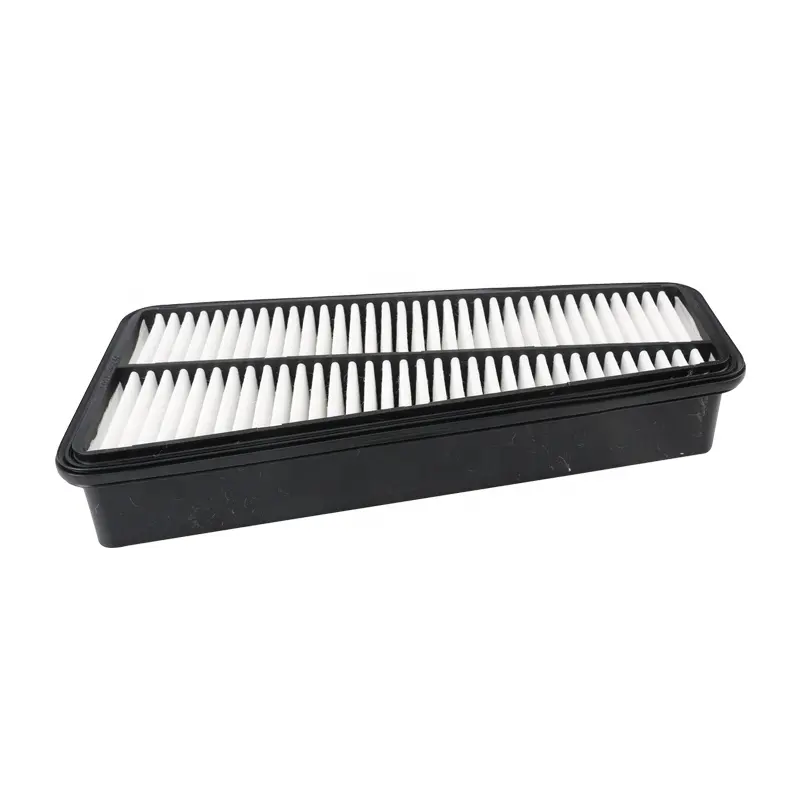
This consultative approach ensures that clients receive precisely engineered filtration solutions that integrate seamlessly into their vehicle systems, delivering optimal performance and cost-effectiveness.
Application Case Studies: Proving Filtration Excellence
Real-world application demonstrates the tangible benefits of high-quality car air filter solutions.
Case Study 1: Commercial Fleet in Arid Regions
A large commercial transportation fleet operating in the arid regions of the Middle East faced significant engine wear and reduced service intervals due to high dust ingress. By implementing customized synthetic media passenger car air filter elements with enhanced dust holding capacity (DHC increased by 30% compared to OEM standard), the fleet achieved:
- 25% increase in filter service life, reducing replacement frequency and associated labor costs.
- Reduced engine component wear by 18%, extending engine overhaul cycles by an average of 50,000 km.
- Maintained optimal fuel efficiency, preventing performance degradation commonly seen with clogged filters in dusty environments.
Case Study 2: Automotive OEM for a New Electric Vehicle Platform
An automotive OEM developing a new series of electric vehicles (EVs) with extended range required an innovative intake air filter for the HVAC system and auxiliary components. The challenge was to provide extremely high filtration efficiency for internal electronics cooling while minimizing packaging space and noise. A specialized multi-layer, low-pressure-drop filter was developed, featuring:
- 99.9% filtration efficiency for particles down to 0.3 microns, crucial for sensitive electronic components.
- Compact, custom-molded design that fit within tight spatial constraints, enabling innovative vehicle architecture.
- Ultra-low pressure drop ensuring quiet operation of cooling fans and maximizing energy efficiency of the EV system, indirectly contributing to range.
Ensuring Trustworthiness and Reliability ()
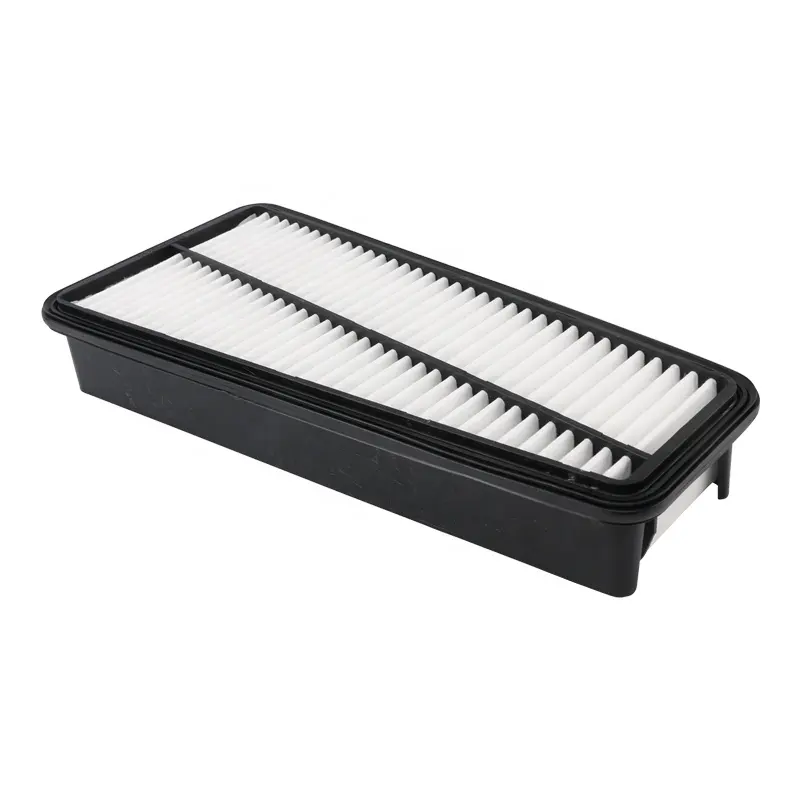
Establishing trust and authority is paramount in B2B relationships. Our commitment is demonstrated through several key areas:
- Certifications and Standards: We proudly hold IATF 16949 certification for automotive quality management and ISO 9001, demonstrating our commitment to robust quality processes. Our products undergo rigorous testing according to ISO 5011, ensuring performance consistency.
- Partner Clients and Years of Service: With over 15 years in the filtration industry, we have cultivated long-standing partnerships with global automotive OEMs and major aftermarket distributors, a testament to our reliability and expertise.
- Warranty Commitments: All our car air filter products come with a comprehensive warranty (e.g., 12 months or 20,000 km, whichever comes first) against manufacturing defects, underscoring our confidence in product quality.
- Lead Time and Fulfillment: Our optimized supply chain and robust manufacturing capabilities ensure competitive lead times (e.g., 4-6 weeks for custom orders, 1-2 weeks for stock items) and reliable fulfillment, supported by a global logistics network.
- Customer Support: A dedicated team of technical experts and account managers provides prompt, professional support from initial inquiry through after-sales service. This includes technical advice, troubleshooting, and continuous improvement feedback loops.
Frequently Asked Questions (FAQ) about Car Air Filter
- Q1: How often should a car air filter be replaced?
- A1: Replacement intervals typically range from 15,000 to 30,000 kilometers (10,000 to 20,000 miles) or once a year, though this can vary based on driving conditions (e.g., dusty environments require more frequent changes) and vehicle manufacturer recommendations.
- Q2: What are the benefits of using a synthetic media intake air filter over a traditional cellulose filter?
- A2: Synthetic media filters generally offer higher filtration efficiency, superior dust holding capacity, lower initial pressure drop, and better resistance to moisture compared to cellulose, leading to extended service life and enhanced engine protection.
- Q3: Can a clogged passenger car air filter impact fuel economy?
- A3: Yes, a dirty or clogged air filter restricts airflow to the engine, forcing it to work harder and potentially leading to an overly rich air-fuel mixture. This can significantly reduce fuel efficiency and engine performance. Studies indicate a reduction of 10-15% in extreme cases.
- Q4: Are there specialized air filters for vehicles with an air filter with regulator?
- A4: Yes, vehicles equipped with air filter regulators, often found in commercial or industrial applications, require filters designed to work in conjunction with the regulatory system to ensure consistent airflow and pressure. These filters might have specific housing designs or durability requirements.
Conclusion
The modern car air filter is far more than a simple barrier; it is a meticulously engineered component vital for the longevity, efficiency, and environmental performance of any internal combustion engine. From the precision of its manufacturing process and adherence to global standards to its demonstrable impact on fuel economy and emission reduction, the importance of a high-quality air filter cannot be overstated.
As the automotive industry continues its trajectory towards increasingly stringent demands for performance and sustainability, the role of advanced filtration solutions will only grow. Partnering with expert manufacturers capable of delivering superior, customized, and trustworthy filtration products is not merely an operational choice but a strategic imperative for success in the competitive automotive landscape.
References
- ISO 5011:2014 - Inlet air cleaning equipment for internal combustion engines and compressors — Performance testing. International Organization for Standardization.
- IATF 16949:2016 - Quality management system requirements for automotive production and relevant service parts organizations. International Automotive Task Force.
- U.S. Department of Energy. "Maintaining Your Car." Office of Energy Efficiency & Renewable Energy. energy.gov.
- SAE International. "SAE J726: Air Cleaner Test Code." Society of Automotive Engineers.
-
Choosing the Right China BMW Cabin Air Filter for Optimal Vehicle Health
NewsFeb.24,2026
-
China Honda GX120 Air Filter Guide for Peak Engine Performance
NewsFeb.11,2026
-
China Ford Fiesta Cabin Air Filter Guide for Optimal Air Quality
NewsJan.30,2026
-
China Cabin Air Filter Ford Fusion A Comprehensive Filtration Guide
NewsJan.28,2026
-
Comprehensive Guide to China Air Filter Element Quality and Applications
NewsJan.28,2026
-
China Kia Forte Cabin Air Filter Guide for Optimal Vehicle Air Quality
NewsJan.27,2026