


Jan . 28, 2026 02:55 Back to list
Comprehensive Guide to China Air Filter Element Quality and Applications
China Air Filter Element: A Comprehensive Guide
In today’s industrial landscape, maintaining air quality is paramount for both operational efficiency and health safety. China air filter elements have become increasingly popular due to their quality, reliability, and cost-effectiveness. This article will delve into the intricacies of these filter elements, exploring their types, applications, benefits, and what to look for when sourcing from China. We'll provide a detailed overview to help you make informed decisions about your air filtration needs.
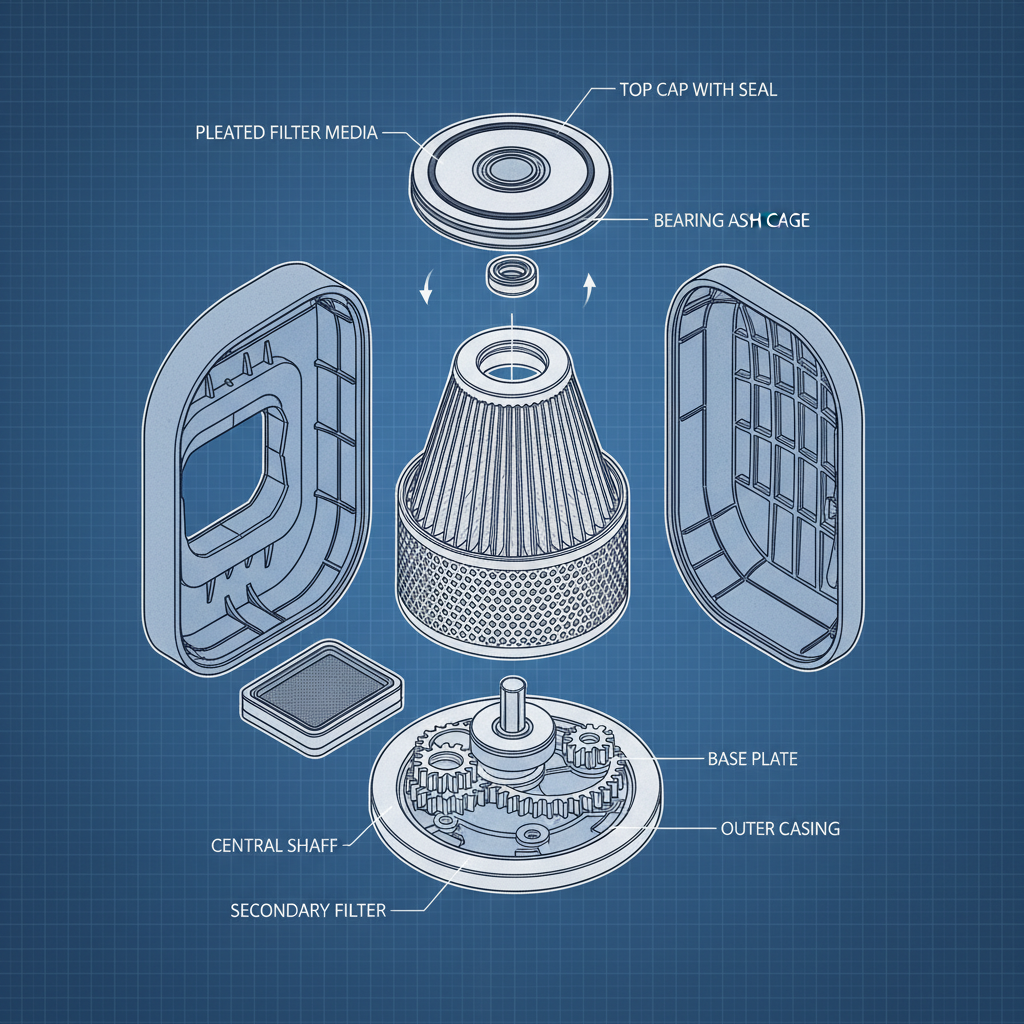
Understanding China Air Filter Elements
Air filter elements manufactured in China are designed to remove particulate matter, pollutants, and contaminants from air streams. They are crucial components in various industries, including HVAC, automotive, manufacturing, and power generation. The quality of these elements is determined by the materials used, the filtration efficiency, and the manufacturing processes employed. There's a wide range of options available to meet specific requirements, from simple panel filters to highly sophisticated HEPA and ULPA filters. Understanding these options is key to selecting the correct filter for your application. Many reputable manufacturers, like Ant Filter, prioritize quality control and adherence to international standards.
Key Takeaway: Quality air filter elements are critical for maintaining clean air, extending equipment life, and ensuring a healthy environment.
Types of China Air Filter Elements
The Chinese air filter element market offers a diverse range of filter types. Common types include:
- Panel Filters: Economical and widely used for pre-filtration.
- Pleated Filters: Offer higher efficiency and dust holding capacity compared to panel filters.
- Bag Filters: Provide excellent filtration efficiency and are ideal for capturing fine particles.
- HEPA Filters: High-Efficiency Particulate Air filters, capable of removing 99.97% of particles 0.3 microns in size.
- ULPA Filters: Ultra-Low Penetration Air filters, exceeding HEPA filter efficiency.
- Activated Carbon Filters: Used to remove odors, gases, and volatile organic compounds (VOCs).
The appropriate choice depends on the specific application and the level of filtration required.
Filter Selection Guide:
• Low Efficiency (MERV 1-4): Pre-filters, basic dust removal.
• Medium Efficiency (MERV 5-8): Improved dust and pollen removal.
• High Efficiency (MERV 9-12): Fine dust, mold spores, and some bacteria removal.
• Very High Efficiency (MERV 13-16): Smoke, smog, and virus removal.
China Air Filter Element Applications
The applications of China air filter elements are incredibly broad. Here are a few key examples:
- HVAC Systems: Maintaining indoor air quality in residential, commercial, and industrial buildings.
- Automotive Industry: Cabin air filters and engine air filters to protect both passengers and engine components.
- Manufacturing: Cleanrooms, paint booths, and other environments requiring controlled air quality.
- Power Generation: Protecting turbines and other critical equipment from airborne contaminants.
- Healthcare: Operating rooms, laboratories, and other sensitive areas requiring HEPA filtration.
The versatility of these filters makes them an essential component in a vast range of operations.
Comparing Filter Materials & Performance
The material composition of an air filter significantly impacts its performance. Here’s a comparison of common materials:
Sourcing China Air Filter Elements: What to Look For
When sourcing air filter elements from China, it’s vital to prioritize quality and reliability. Here are some key considerations:
- Certifications: Look for manufacturers with ISO 9001, CE, and other relevant certifications.
- Reputation: Choose suppliers with a proven track record and positive customer reviews.
- Quality Control: Ensure the manufacturer has robust quality control processes in place.
- Customization: Assess the supplier's ability to customize filters to meet your specific needs.
- Pricing: Compare prices from multiple suppliers, but don't solely focus on the lowest price – quality is paramount.
Working with a reputable supplier like Ant Filter can ensure you receive high-quality products that meet your specifications and regulatory requirements.
Conclusion
China air filter elements offer a compelling combination of quality, performance, and affordability. By understanding the different types, applications, and sourcing considerations, you can make informed decisions that optimize your air filtration systems and protect your investments.
Frequently Asked Questions (FAQs)
What is the typical lead time for orders from China?
Lead times can vary depending on the order volume, filter type, and supplier’s production schedule. Generally, you can expect a lead time of 2-4 weeks for standard orders. Larger or customized orders may require longer lead times. It’s crucial to communicate your requirements clearly with the supplier and confirm the estimated delivery date before placing your order. Consider factors like shipping time and potential customs delays when planning your procurement.
How can I ensure the quality of filters from a Chinese supplier?
To ensure quality, request samples for testing before placing a bulk order. Verify the supplier’s certifications (ISO 9001, CE). Conduct a factory audit, if possible, to assess their manufacturing processes. Clearly define your quality requirements in the purchase agreement. Implement a quality control inspection process upon receiving the goods. Choosing a reputable and experienced supplier, like Ant Filter, is a great first step.
What are the import duties and taxes associated with importing air filters from China?
Import duties and taxes vary depending on the destination country, the filter’s classification (HS code), and the value of the shipment. Common import duties include tariffs, value-added tax (VAT), and potential excise taxes. It’s essential to consult your country’s customs regulations or a customs broker to determine the applicable duties and taxes. Failure to do so can result in unexpected costs and delays.
Can I request customized air filter elements from Chinese manufacturers?
Yes, many Chinese manufacturers offer customization services. You can specify the filter size, material, filtration efficiency, and other parameters to meet your unique requirements. However, customization may require a larger minimum order quantity and longer lead times. It’s essential to provide clear and detailed specifications to the supplier to ensure they can deliver the customized filters accurately.
-
Choosing the Right China BMW Cabin Air Filter for Optimal Vehicle Health
NewsFeb.24,2026
-
China Honda GX120 Air Filter Guide for Peak Engine Performance
NewsFeb.11,2026
-
China Ford Fiesta Cabin Air Filter Guide for Optimal Air Quality
NewsJan.30,2026
-
China Cabin Air Filter Ford Fusion A Comprehensive Filtration Guide
NewsJan.28,2026
-
Comprehensive Guide to China Air Filter Element Quality and Applications
NewsJan.28,2026
-
China Kia Forte Cabin Air Filter Guide for Optimal Vehicle Air Quality
NewsJan.27,2026