

Feb . 24, 2026 10:50 Back to list
Choosing the Right China BMW Cabin Air Filter for Optimal Vehicle Health
Choosing the Right china bmw cabin air filter: A Comprehensive Guide
Maintaining optimal air quality inside your BMW is crucial for both driver and passenger health. A clogged cabin air filter can lead to reduced airflow, unpleasant odors, and even allergic reactions. Selecting a high-quality china bmw cabin air filter is a key component of vehicle maintenance. This article will explore the benefits of replacing your filter, factors to consider when choosing a replacement, and why Antfilter offers superior solutions. Ensuring a clean cabin air supply directly impacts your driving experience and well-being.
The Importance of Replacing Your BMW Cabin Air Filter
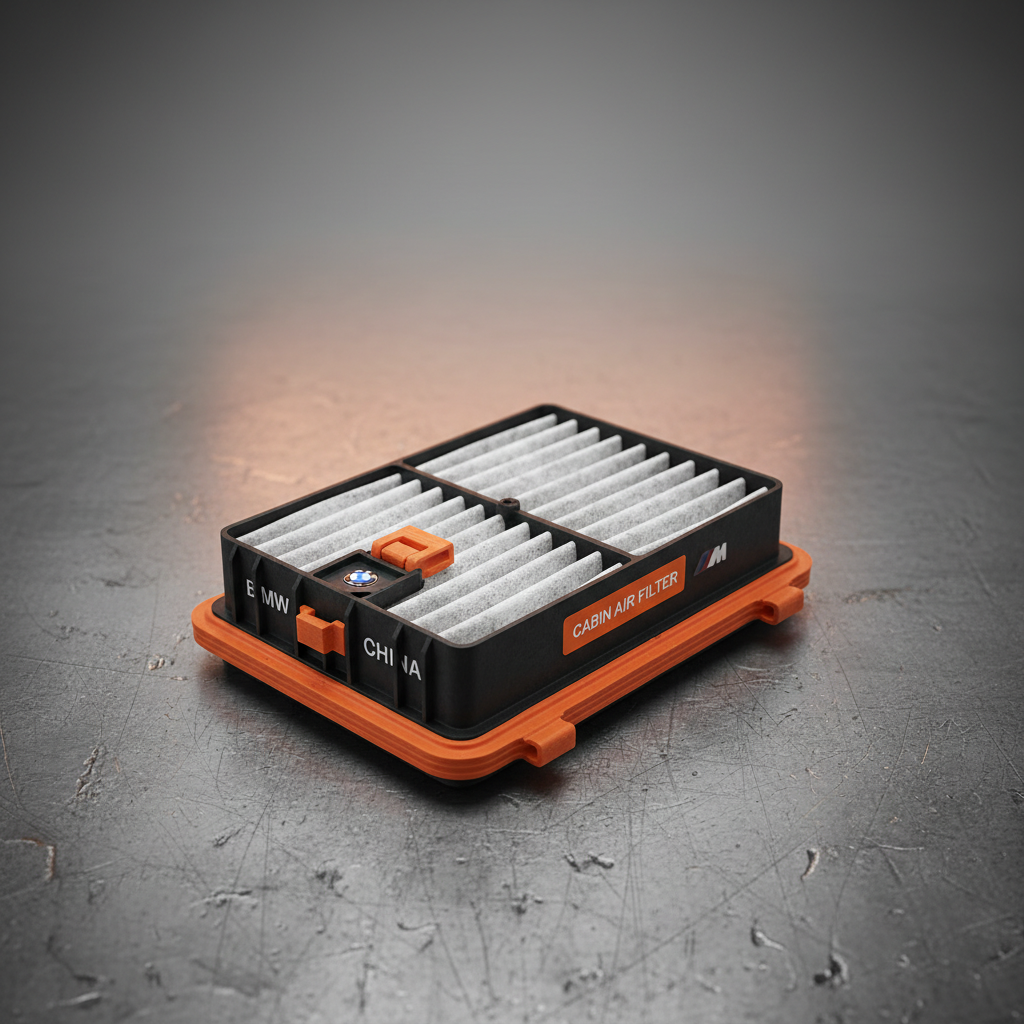
Your BMW's cabin air filter traps dust, pollen, mold spores, and other airborne particles before they enter the vehicle's ventilation system. Over time, this filter becomes clogged, reducing airflow and the efficiency of the heating and air conditioning system. A clogged filter can also contribute to musty odors and exacerbate allergies or respiratory problems. Regular replacement – typically every 12,000 to 15,000 miles or once a year – is vital. Ignoring this maintenance can lead to increased strain on your HVAC system, potentially resulting in costly repairs. Choosing a reliable cabin air filter from a trusted supplier like Antfilter is an investment in your vehicle and your health.
Key Benefits of a Clean Cabin Air Filter: Improved air quality, enhanced HVAC performance, reduced allergens, elimination of odors, and prolonged HVAC system life.
Understanding China BMW Cabin Air Filter Options
When searching for a replacement china bmw cabin air filter, you'll encounter various options. These generally fall into three categories: particulate filters, activated carbon filters, and HEPA filters. Particulate filters are the standard option, effectively trapping dust and pollen. Activated carbon filters add a layer of charcoal to absorb odors and gases. HEPA (High-Efficiency Particulate Air) filters are the most advanced, capturing up to 99.97% of airborne particles. For BMW owners, especially those with allergies or sensitivities, a HEPA or activated carbon filter is often the best choice. Antfilter offers all three types, ensuring a perfect fit for your specific needs and BMW model.
Filter Types Compared:
• Particulate Filter: Basic dust and pollen removal.
• Activated Carbon Filter: Adds odor and gas absorption.
• HEPA Filter: Highest level of particle filtration (99.97%).
Antfilter vs. Competitors: A Comparison
While many suppliers offer china bmw cabin air filter options, Antfilter stands out due to our commitment to quality, precision engineering, and competitive pricing. We use premium materials and rigorous quality control processes to ensure our filters meet or exceed OEM specifications. Our filters are designed for optimal airflow and filtration efficiency. Below is a comparison of Antfilter with common competitor products:
Finding the Right Fit for Your BMW Model
BMW models vary in their cabin air filter requirements. It's essential to select a filter specifically designed for your vehicle's make, model, and year. Antfilter's website features a comprehensive vehicle fitment guide to ensure you order the correct filter for your BMW. Simply enter your vehicle's details, and our system will identify compatible options. We also offer expert customer support to assist you with any questions or concerns.
Product Specifications: Antfilter BMW Cabin Air Filters
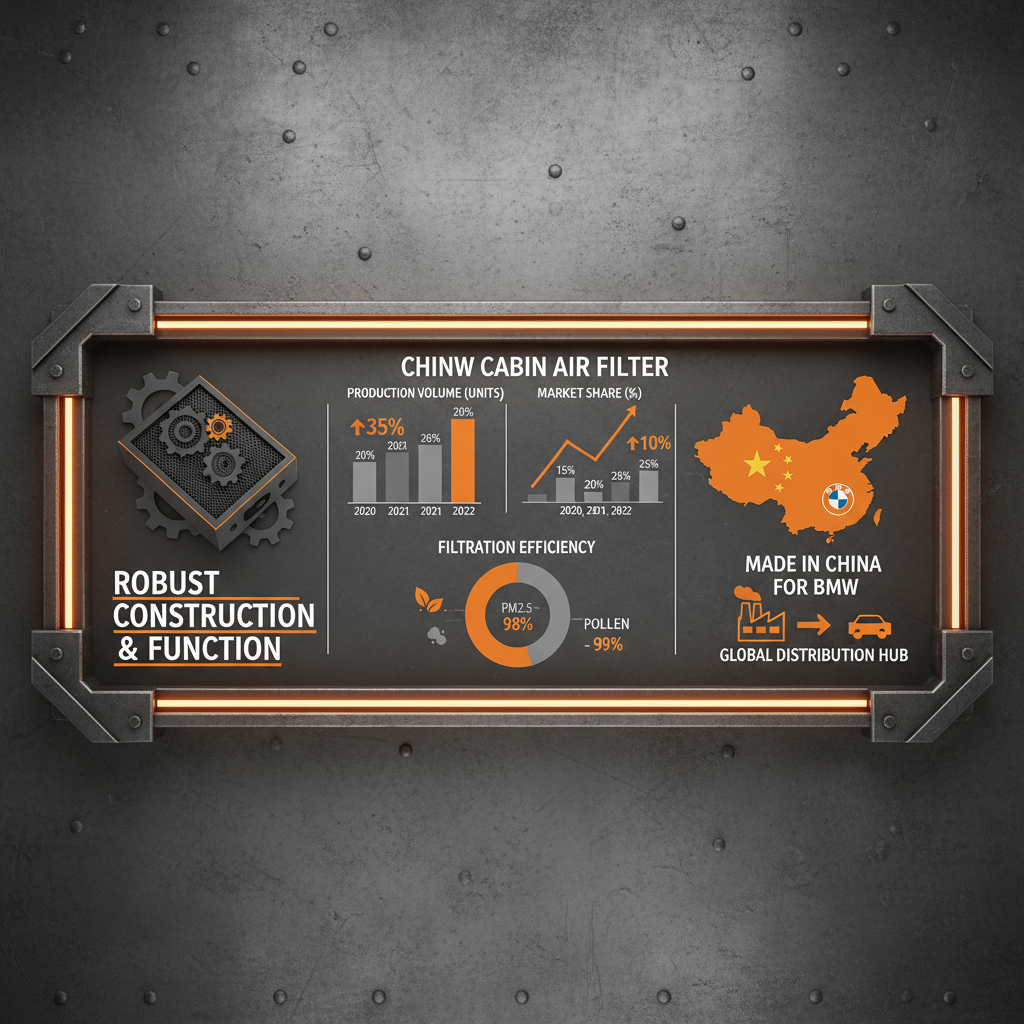
Here are some key specifications for our popular Antfilter china bmw cabin air filter models:
Conclusion: Breathe Easier with Antfilter
Investing in a high-quality china bmw cabin air filter from Antfilter is a simple yet effective way to improve your driving experience and protect your health. With our premium materials, precise engineering, and competitive pricing, we offer the best value for your investment. Don't compromise on air quality – choose Antfilter and breathe easier.
Frequently Asked Questions (FAQs)
How often should I replace my BMW cabin air filter?
Generally, it's recommended to replace your BMW cabin air filter every 12,000 to 15,000 miles, or approximately once a year. However, if you frequently drive in dusty or polluted areas, you may need to replace it more often. Signs that your filter needs replacing include reduced airflow from the vents, unpleasant odors, and increased allergy symptoms. Regular inspection and replacement will ensure optimal air quality within your vehicle. Antfilter offers convenient reminders to help you stay on schedule.
Are Antfilter cabin air filters easy to install?
Yes, most Antfilter cabin air filters are designed for easy DIY installation. The filter is typically located behind the glove compartment or under the dashboard. We provide detailed installation instructions with each filter, and numerous online tutorials are available. If you're not comfortable performing the replacement yourself, you can always have a qualified mechanic install it for you. Replacing your cabin air filter is a relatively simple maintenance task that can significantly improve your driving experience.
What is the difference between a HEPA filter and an activated carbon filter?
A HEPA (High-Efficiency Particulate Air) filter captures up to 99.97% of airborne particles, including dust, pollen, mold spores, and bacteria. An activated carbon filter, on the other hand, uses activated charcoal to absorb odors, gases, and volatile organic compounds (VOCs). While a HEPA filter excels at particle filtration, an activated carbon filter is better at removing smells and harmful chemicals. Some filters combine both HEPA and activated carbon technology for comprehensive air purification.
This is the last article
-
Choosing the Right China BMW Cabin Air Filter for Optimal Vehicle Health
NewsFeb.24,2026
-
China Honda GX120 Air Filter Guide for Peak Engine Performance
NewsFeb.11,2026
-
China Ford Fiesta Cabin Air Filter Guide for Optimal Air Quality
NewsJan.30,2026
-
China Cabin Air Filter Ford Fusion A Comprehensive Filtration Guide
NewsJan.28,2026
-
Comprehensive Guide to China Air Filter Element Quality and Applications
NewsJan.28,2026
-
China Kia Forte Cabin Air Filter Guide for Optimal Vehicle Air Quality
NewsJan.27,2026