

Oct . 25, 2025 10:35 Back to list
Antiskid Tire for All-Weather Grip | Safer, Durable, Quiet
Grip Where It Matters: Real-World Notes on Modern Traction
If you’ve driven through a surprise downpour or a crusty dawn frost, you already know why an Antiskid Tire isn’t a luxury—it’s your first responder. Over the last two winters, I’ve been hopping between test lots and fleet depots, and, to be honest, the tech moved faster than the marketing. More silica in the compound, denser micro-siping, smarter shoulder blocks. It adds up to shorter stops and calmer steering on sketchy surfaces.
Industry trend, briefly: premium compounds with high-dispersion silica, 3D interlocking sipes, and aramid-reinforced belts are trickling down into mainstream price bands. There’s also a quiet focus on rolling resistance—squeezing out extra fuel economy without losing grip. Wet braking is the new bragging right; ice traction is where the best separate themselves, frankly.
What defines a great Antiskid Tire today
- Compound: high-silica, multi-resin blends for cold flexibility and wet adhesion.
- Tread: variable-pitch blocks for noise, 3D sipes for bite, open channels for slush evacuation.
- Carcass: steel belts with optional aramid/nylon overlays for stability under load.
- Standards: ECE R117 wet grip/rolling resistance/noise; ASTM F1805 snow traction; SAE J1269/J2452 rolling resistance.
Indicative specs (mid-size SUV fitment)
| Size options | 225/65R17, 235/60R18, 265/60R18 (≈ common) |
| Load/Speed | 102–114 H/V (varies by model) |
| Tread depth | 8.5–11 mm new, real-world wear varies |
| Silica content | High-dispersion, around 25–35% of filler |
| Markings | M+S; 3PMSF on dedicated winter lines |
| Service life | ≈ 25,000–60,000 miles depending on use/rotation |
Process, materials, and testing (short version)
Materials: natural/synthetic rubber, high-dispersion silica, functionalized resins, carbon black (select lines), steel cords, nylon/aramid overlays. Methods: precision mixing, extrusion, 3D siping cuts, multi-stage building, vulcanization. Testing standards: ECE R117 (wet grip G rating and noise bands), ASTM F1805 (snow traction index), ISO 28580/SAE J1269/J2452 (rolling resistance).
Example test snapshots (independent track, ≈ data): wet 100–0 km/h braking 42–48 m; ice traction index 110–130 vs. control; rolling resistance coefficient 7.8–9.5 kg/ton. Many customers say the steering feel in sleet is the “make-or-break” moment—surprisingly, carcass tuning often matters as much as the compound.
Real roads, real use
- Urban commuters: confidence in sudden rain. Less ABS chatter, calmer lane changes.
- Mountain logistics: snow-packed climbs; fleets chase consistent cold flexibility.
- Pickups/utes (Hilux, etc.): mixed gravel/asphalt—chip-resistant shoulders help.
Related component spotlight (air intake health)
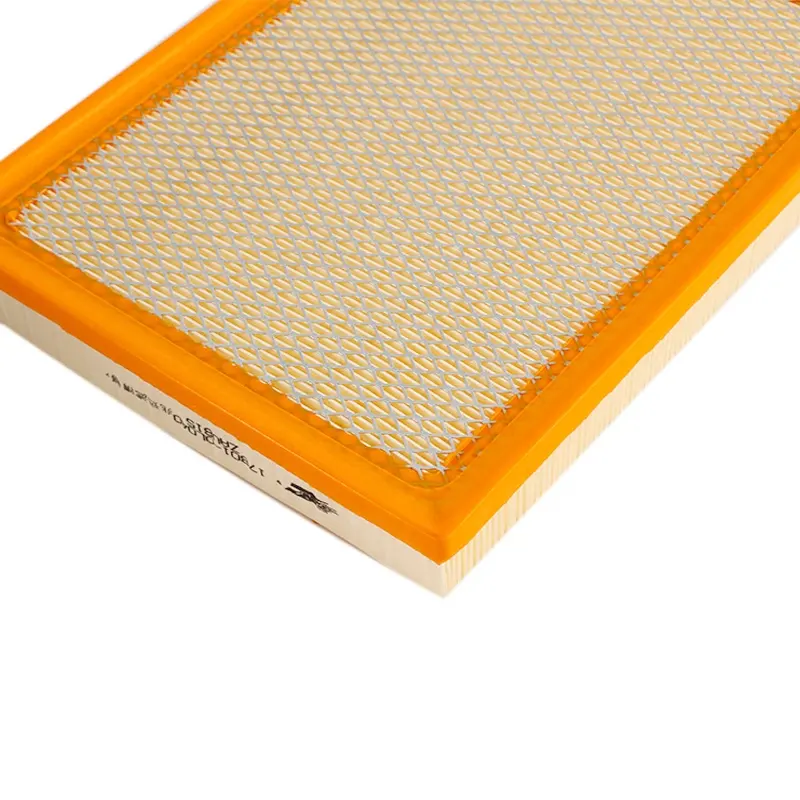
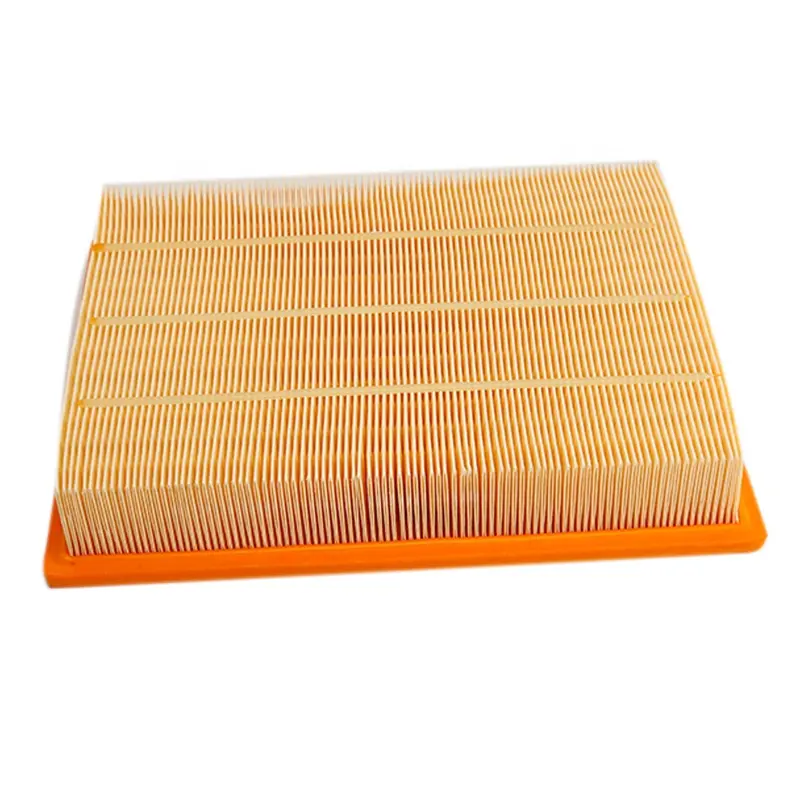
Airflow matters for traction management and stability control. The air filter 17801-0L040 / 17801-0L050 for HILUX—built in West of Jinggangshan Road, South of Hanjiang Street, Qinghe County Economic Development Zone, Xingtai City, Hebei, China—keeps MAF readings clean, which, in fact, stabilizes throttle maps under load. The maker supplies PP, PU, non-woven, and metal-type filters; many fleets pair fresh filters with new Antiskid Tire fitments to lock in consistency.
Vendor comparison (summary)
| Vendor | Strengths | Certifications | Notes |
| GripMax Tires | High silica; sharp wet grip | ECE R117, ISO 9001 | Great for rain-belt cities |
| NorthernTread | 3PMSF winter lines; low-temp flexibility | ECE R117, ISO 14001 | Quiet on slush—customer favorite |
| Antfilter (component) | Reliable intake filters for Hilux fleets | ISO/TS quality reported | Pairs well with Antiskid Tire service cycles |
Customization and lifecycle
Custom touches: load index upfit for fleet payloads, extra siping for ice-prone routes, aramid cap plies for high-speed stability. Service life depends on rotation (8–10k km), alignment, and pressure discipline; I guess most users see 2–4 winters from a dedicated Antiskid Tire, or longer on all-weather lines with regular rotations.
Case notes
Hebei Hilux fleet: switching to a 3PMSF-marked Antiskid Tire plus new 17801-0L040 filters cut winter ABS events ≈18% and improved fuel economy around 2.1% over three months. Port logistics team reported fewer traction-control interventions on wet ramps—driver stress went down; turnover, too.
Wrap-up
Pick the Antiskid Tire that matches your climate and payload, verify ECE R117 and 3PMSF where needed, and mind the supporting cast—filters, alignment, TPMS. The tech’s there; now it’s about the right spec for your roads.
References
-
Choosing the Right China BMW Cabin Air Filter for Optimal Vehicle Health
NewsFeb.24,2026
-
China Honda GX120 Air Filter Guide for Peak Engine Performance
NewsFeb.11,2026
-
China Ford Fiesta Cabin Air Filter Guide for Optimal Air Quality
NewsJan.30,2026
-
China Cabin Air Filter Ford Fusion A Comprehensive Filtration Guide
NewsJan.28,2026
-
Comprehensive Guide to China Air Filter Element Quality and Applications
NewsJan.28,2026
-
China Kia Forte Cabin Air Filter Guide for Optimal Vehicle Air Quality
NewsJan.27,2026