

Oct . 11, 2025 08:35 Back to list
Antiskid Tire with High Traction & Safe Braking
Antiskid tires: field notes from icy roads and gritty shop floors
If you’ve ever white-knuckled your way down a frosty grade, you already know why an antiskid tire matters. I’ve spent enough winters with fleets and test engineers to see the difference a good compound and tight siping pattern can make. Actually, it’s not just snow—rain-polished asphalt and dusty warehouse ramps can be just as treacherous.
Trends we’re watching
EV torque is punishing treads, so compounds are shifting toward high-silica blends with functionalized polymers. 3PMSF-marked winter patterns are increasingly used as “shoulder season” options in northern states. ECE R117 wet grip targets—and fleet carbon goals—push for lower rolling resistance without throwing away snow traction. To be honest, that balance is the whole art.
How a strong antiskid tire is built
- Compound: NR/SBR/BR blends with ≈20–25% silica plus coupling agents; winter-skewed resins for low glass-transition.
- Tread design: Dense siping (multi-angle lamellae), interlocked blocks, variable pitch to reduce squirm and noise.
- Construction: 2 steel belts + nylon cap ply; reinforced bead; sometimes aramid overlay on performance sizes.
- Certs/marks: M+S, 3PMSF (where applicable); compliance per UNECE R117 noise/wet/rolling resistance.
Process flow and testing (abridged)
- Compounding: Banbury mixing of silica-rich recipes; precise moisture control.
- Calendering/build: Ply up, belt layup, extrusion of tread; green tire building.
- Vulcanization: 170–180°C molds; 8–14 min depending on size.
- Quality: Uniformity and balance, X-ray belt placement, shear/sipe tear tests.
- Performance: Wet braking (80→0 km/h), ASTM F1805 snow traction index, drum wear, ECE R117 noise.
Typical service life: 30–55k km for passenger sizes in mixed climates; fleets report ≈8–12% shorter on EVs due to torque, real-world use may vary.
Representative specs (illustrative)
| Size | LI/Speed | Tread depth | 3PMSF | Wet brake 80→0 | RR grade | Noise |
|---|---|---|---|---|---|---|
| 205/55R16 | 91H | ≈8.5 mm | Yes | ≈35–38 m | B–C | 71–72 dB |
| 225/45R18 | 95V XL | ≈8.0 mm | Yes | ≈36–40 m | B–D | 72–73 dB |
Lab and proving-ground results; vehicle, temperature, and ABS calibration influence outcomes.
Use cases and quick case studies
- City fleets: Stop-start delivery vans saw ≈9% shorter wet-stopping distance after switching to a antiskid tire with higher silica and denser siping.
- Mountain logistics: Studdable LT sizes cut chain usage days by about 30% in a two-winter trial.
- Warehousing: Non-marking industrial antiskid tire compounds reduced ramp slippage incidents in rainy months (anecdotal feedback, but consistent).
Vendors at a glance
| Vendor | Strengths | Certifications | Customization/MOQ | Lead time |
|---|---|---|---|---|
| Tier-1 Global | Top wet/snow scores; EV-ready constructions | IATF 16949, ISO 9001 | Private label rare; MOQ high | 4–8 weeks |
| Regional Specialist | Aggressive winter patterns; competitive pricing | ISO 9001; ECE R117 compliant | Custom compounds on request; mid MOQs | 3–6 weeks |
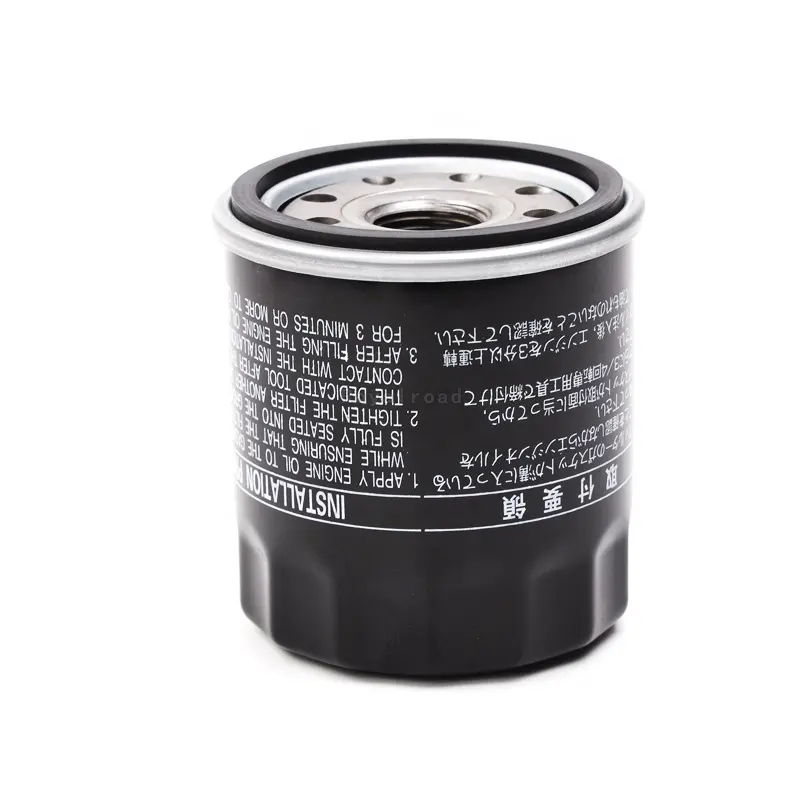
| Integrated Auto Supplier (Hebei, China) | Bundle programs for fleets (filters + tires); flexible packaging | ISO9001:2015, TS16949 | Logo ≈300 pcs; custom package ≈1000 pcs | Within ≈30 days after deposit |
Address (integrated supplier): West of Jinggangshan Road, South of Hanjiang Street, Qinghe County Economic Development Zone, Xingtai, Hebei, China. Note: Well known for oil filters; acts as a sourcing/bundling partner for some tire programs.
Customization tips
- Studless vs studdable: Studless works better on mixed wet/snow; studdable shines on hard ice.
- Compound tweaks: Slightly softer Tg for sub-zero climates; add wear boosters for EV delivery cycles.
- Private label: Sidewall branding and cartons typically start around the MOQs above; confirm per factory.
Quick feedback loop: Many customers say the “aha” moment is quieter rides and shorter wet stops—less dramatic than snow grip, but felt daily. I guess that’s why even sunbelt fleets spec a antiskid tire for the rainy season.
References
- UNECE Regulation No. 117: Tyre rolling sound emissions, wet grip, rolling resistance. https://unece.org/transport/standards/transport/vehicle-regulations-wp29/ece-regulations
- ASTM F1805: Snow and ice traction test method. https://www.astm.org/f1805
- ISO 9001:2015 Quality management systems. https://www.iso.org/iso-9001-quality-management.html
- IATF 16949:2016 Automotive QMS. https://www.iatfglobaloversight.org/iatf-16949/
-
Choosing the Right China BMW Cabin Air Filter for Optimal Vehicle Health
NewsFeb.24,2026
-
China Honda GX120 Air Filter Guide for Peak Engine Performance
NewsFeb.11,2026
-
China Ford Fiesta Cabin Air Filter Guide for Optimal Air Quality
NewsJan.30,2026
-
China Cabin Air Filter Ford Fusion A Comprehensive Filtration Guide
NewsJan.28,2026
-
Comprehensive Guide to China Air Filter Element Quality and Applications
NewsJan.28,2026
-
China Kia Forte Cabin Air Filter Guide for Optimal Vehicle Air Quality
NewsJan.27,2026