


Sep . 11, 2025 07:40 Back to list
Antiskid Tires: Enhanced Grip & Safety for All Roads
The Evolution and Critical Role of Antiskid Tire Technology
In the rapidly advancing automotive sector, vehicle safety and performance are paramount. At the core of a vehicle's interaction with the road lies tire technology, specifically the innovations in antiskid capabilities. The modern antiskid tire is a marvel of engineering, designed to maintain optimal traction across diverse and challenging road conditions, from torrential rain to icy patches. This advanced engineering is not merely about grip; it encompasses sophisticated material science, tread pattern design, and structural integrity to deliver unparalleled control and stability.
Current industry trends indicate a significant push towards integrating smart technologies into tire design, including embedded sensors for real-time monitoring of pressure, temperature, and tread wear. Furthermore, the drive for sustainability is accelerating research into eco-friendly materials and manufacturing processes that reduce environmental impact while enhancing performance. Regulatory pressures worldwide continue to tighten standards for wet grip, rolling resistance, and noise levels, forcing manufacturers to innovate constantly. The market is also seeing a surge in demand for specialized antiskid solutions tailored for electric vehicles (EVs), which require tires capable of handling higher instantaneous torque and carrying increased vehicle weight. These trends underscore the continuous evolution of antiskid tire technology as a critical component in ensuring both passenger safety and vehicle efficiency.
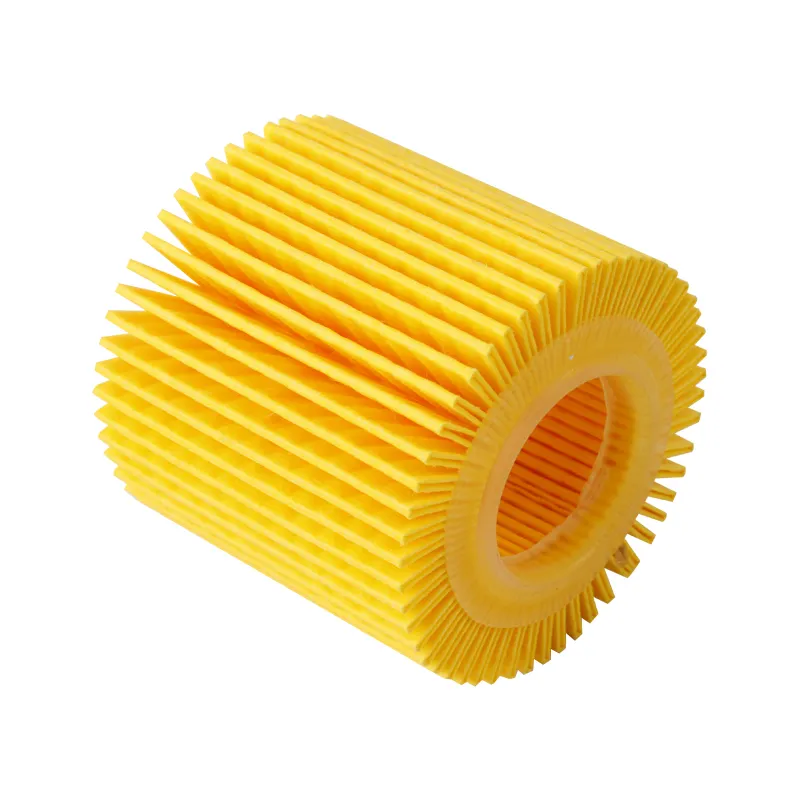
Fig 1: Advanced Manufacturing Line for Antiskid Tires
Precision Engineering: The Manufacturing Process of Antiskid Tires
The production of a high-performance antiskid tire involves a highly complex and meticulously controlled multi-stage manufacturing process. This intricate sequence ensures that each tire meets stringent quality, safety, and performance standards.
Key Stages of Tire Manufacturing:
- Material Preparation: This initial phase involves the precise mixing of raw materials. Rubber compounds (natural and synthetic rubber), carbon black for strength, silica for wet grip and low rolling resistance, various oils, and chemical additives are blended in Banbury mixers at high temperatures. Steel cords are prepared for belts, and fabric plies (polyester, rayon, nylon) are calendared to achieve specific thicknesses. Bead wire, often high-tensile steel, is coated with rubber.
- Component Assembly: The prepared materials are then formed into individual tire components. This includes calendering rubber sheets onto fabric plies, extruding tread and sidewall components, and shaping bead bundles. These components are then assembled on a tire-building machine, layer by layer, starting with the inner liner, followed by plies, beads, sidewalls, belts, and finally the tread. This forms the "green tire."
- Curing (Vulcanization): The green tire is placed into a curing press, where it undergoes vulcanization – a chemical process involving heat and pressure. This process permanently bonds the rubber compounds, gives the tire its final shape, tread pattern, and sidewall markings, and imparts crucial properties like elasticity, strength, and durability. Precise temperature and pressure control are critical for optimal material transformation.
- Finishing and Inspection: Post-curing, tires undergo a series of rigorous inspections. This includes visual checks for defects, X-ray scanning for internal structural integrity, uniformity testing (balancing, radial and lateral force variation), and dynamic balancing. Tires are also checked against testing standards such as ISO 9001, ASTM F1806 for tire performance, and specific ECE regulations for European markets, ensuring compliance for service life expectations in target industries like automotive OEM, commercial logistics, and heavy-duty industrial applications.
The use of advanced materials, such as high-dispersible silica and advanced polymer blends, significantly enhances the energy-saving capabilities and corrosion resistance of these tires, making them ideal for demanding environments like those experienced by vehicles in petrochemical, metallurgy, and municipal water supply & drainage sectors. For instance, enhanced abrasion resistance leads to extended service life, reducing operational costs for fleet operators.
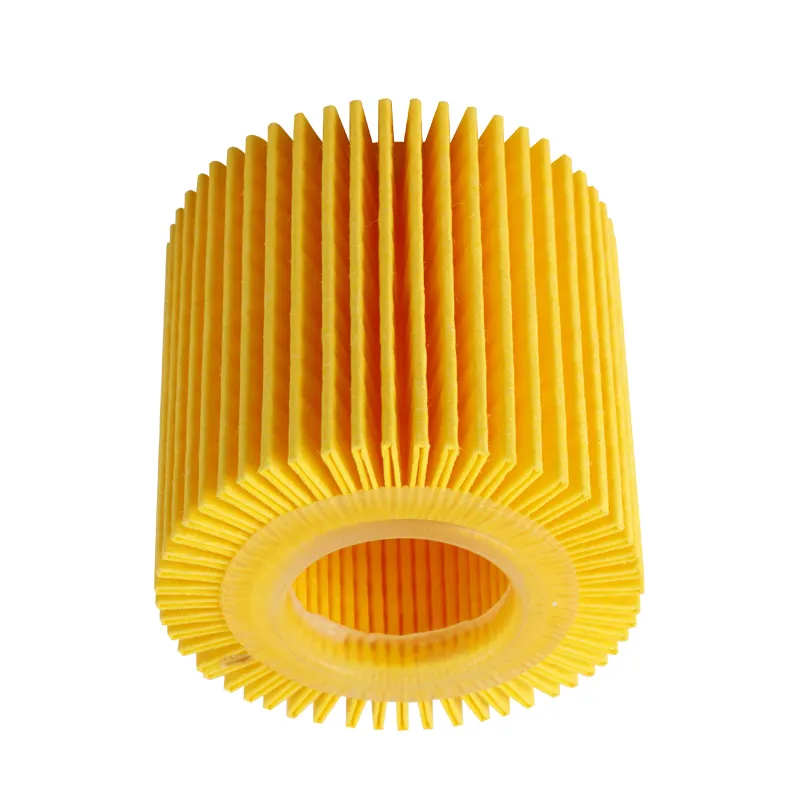
Fig 2: Cross-section of a Modern Antiskid Tire Highlighting Key Components
Technical Specifications and Performance Parameters
Understanding the technical specifications of an antiskid tire is crucial for selecting the optimal product for specific operational requirements. These parameters directly correlate with the tire's performance, safety, and longevity. While focusing on these critical tire elements, it's also important for B2B procurement to consider the holistic vehicle ecosystem, including quality filtration components such as a toyota corolla cabin air filter canadian tire or an oem bryant air filter for overall vehicle performance and maintenance.
Key Performance Metrics of Antiskid Tires:
| Parameter | Description | Typical Range / Value | Relevance to Antiskid |
|---|---|---|---|
| Tread Depth | Measurement of the grooves on the tire surface. | 8-12 mm (new passenger), 12-20 mm (truck) | Crucial for water evacuation and grip, especially on wet surfaces. Deeper tread provides better hydroplaning resistance. |
| Compound Hardness (Shore A) | Indication of rubber's resistance to indentation. | 55-70 (Summer), 45-60 (Winter) | Softer compounds offer better grip in cold/wet conditions; harder compounds provide greater durability and lower rolling resistance. |
| Rolling Resistance Coefficient (CRR) | Measure of energy loss as a tire rolls. | 0.007 to 0.015 | Lower CRR contributes to better fuel efficiency. Advanced silica compounds help balance grip with low rolling resistance. |
| Wet Braking Distance | Distance required to stop on a wet surface from a specific speed. | e.g., 30m from 80km/h (European Label Class A) | Direct measure of antiskid performance on wet roads, critical for safety. Influenced by tread design and compound. |
| Noise Level | External noise emitted by the tire during rolling. | 67-75 dB | While not directly antiskid-related, it's a critical environmental and comfort factor often balanced with grip. |
| Load Index & Speed Rating | Maximum load and speed a tire can safely carry. | e.g., 91V (615kg @ 240km/h) | Ensures structural integrity and safety under specific vehicle loads and speeds, maintaining antiskid properties. |
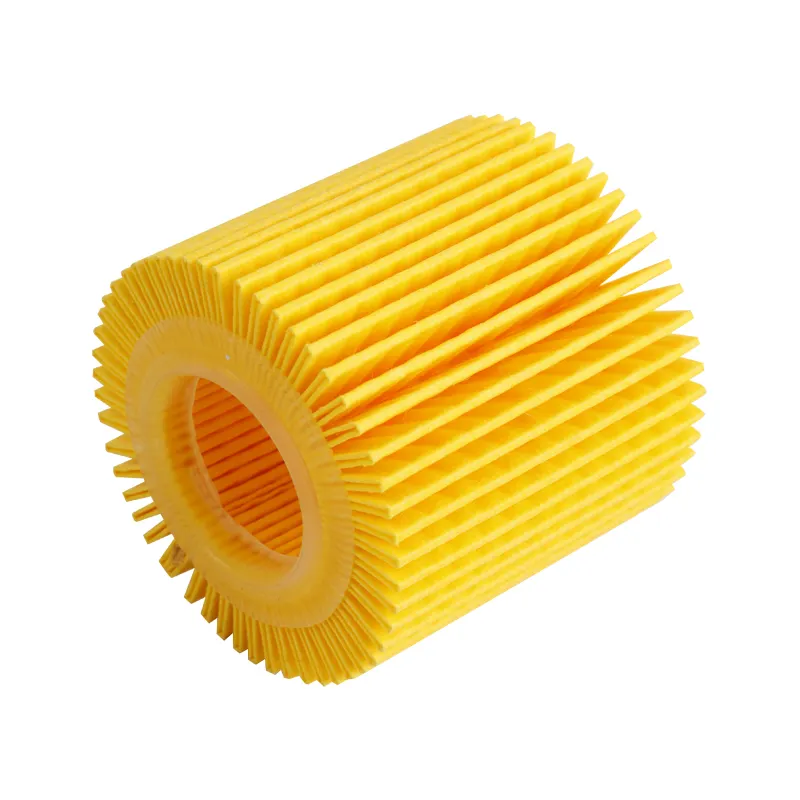
Fig 3: Real-world Antiskid Tire Testing Data
Application Scenarios and Technical Advantages
The versatility and robust performance of modern antiskid tire technology make it indispensable across a multitude of application scenarios, offering distinct technical advantages that enhance safety, efficiency, and operational longevity.
Diverse Application Scenarios:
- Passenger Vehicles & SUVs: Crucial for everyday commuting, ensuring safety in sudden braking, sharp cornering, and adverse weather conditions like heavy rain or light snow. The responsive grip reduces the risk of hydroplaning.
- Commercial Fleets (Trucks & Buses): Essential for heavy-duty applications where vehicle stability and braking performance under full load are critical. Enhanced antiskid properties contribute to reduced accident rates and improved logistics efficiency.
- Off-Road & Construction Vehicles: Specialized tread patterns and robust compounds provide superior traction and resistance to punctures, enabling safe operation on uneven, muddy, or gravelly terrains while maintaining control.
- Specialized Industry Applications: Vehicles operating in environments like mining, agriculture, or ports benefit from tailored antiskid solutions that withstand extreme temperatures, abrasive surfaces, and heavy-duty load cycles.
Technical Advantages:
- Superior Grip and Traction: Advanced tread compounds (e.g., high-silica content) and optimized tread patterns with sipes and biting edges dramatically improve grip on wet, icy, and snowy surfaces, significantly shortening braking distances.
- Reduced Hydroplaning Risk: Innovative circumferential and lateral grooves efficiently evacuate water from beneath the tire's contact patch, maintaining road contact and preventing loss of control in wet conditions.
- Enhanced Vehicle Stability: Stiffer sidewall constructions and reinforced belt packages contribute to better handling and stability during high-speed maneuvers and cornering, integrating seamlessly with vehicle electronic stability control (ESC) and anti-lock braking systems (ABS).
- Improved Fuel Economy: Through sophisticated compound design and construction, modern antiskid tires minimize rolling resistance without compromising grip, leading to notable fuel savings for fleet operators and individual drivers.
- Extended Tread Life: Optimized rubber compounds and tread designs ensure even wear distribution, extending the tire's operational lifespan and reducing replacement frequency, which translates to lower total cost of ownership.
- All-Weather Performance: Multi-season or dedicated winter antiskid tires are engineered to perform optimally across a wider temperature range, ensuring consistent safety and performance regardless of seasonal changes.
These technical advantages not only enhance driver confidence but also contribute to a significant reduction in accident rates and operational costs for businesses, making the investment in high-quality antiskid tire solutions a strategic decision.
Vendor Comparison and Customized Solutions
Selecting the right supplier for antiskid tire technology is a critical decision for B2B entities, impacting everything from vehicle performance and safety to operational costs and supply chain efficiency. A thorough vendor comparison goes beyond price, evaluating factors such as R&D investment, material science expertise, manufacturing precision, and after-sales support.
Key Criteria for Vendor Selection:
- Innovation & R&D: Leading vendors continually invest in research and development to push the boundaries of tire technology, introducing new compounds, tread designs, and smart tire features.
- Quality & Certifications: Adherence to international standards (e.g., ISO/TS 16949, ECE, DOT) and robust quality control processes are non-negotiable.
- Product Portfolio: A diverse range of antiskid solutions tailored for various vehicle types and applications indicates a comprehensive understanding of market needs.
- Customization Capabilities: The ability to develop bespoke solutions for specific OEM requirements or challenging operational environments.
- Supply Chain & Logistics: Global distribution networks and efficient lead times are crucial for minimizing downtime.
The Value of Customized Antiskid Solutions:
Off-the-shelf tires often meet general requirements, but for specific industries or unique operational profiles, customized antiskid tire solutions offer significant advantages:
- Tailored Tread Patterns: Designed for specific terrains (e.g., deep lugs for mud/snow, block patterns for rocky surfaces) to maximize traction and self-cleaning capabilities.
- Optimized Rubber Compounds: Formulated for extreme temperature ranges, enhanced cut/chip resistance, or specific rolling resistance targets, extending tire life and improving efficiency in specialized applications.
- Reinforced Construction: Custom-engineered sidewalls and belt packages provide superior load-bearing capacity and puncture resistance for heavy-duty or industrial vehicles.
- Integration with Vehicle Systems: Development in conjunction with OEM vehicle platforms to ensure seamless compatibility with advanced driver-assistance systems (ADAS) and electric powertrain demands.
When sourcing automotive components, whether it's specialized tires or filtration products like a china bryant air filter or a hyundai elantra air filter, prioritizing suppliers capable of delivering both standard-setting quality and customized innovation ensures optimal performance and a competitive edge. This commitment to specific requirements reflects a deep understanding of B2B client needs.
Application Case Studies & Customer Experience
Real-world application case studies provide tangible evidence of the impact of advanced antiskid tire technology. These examples highlight how tailored solutions translate into measurable benefits for businesses operating across various sectors.
Case Study 1: Fleet Safety Enhancement for a Logistics Provider
A major logistics company operating a fleet of 500 delivery vans experienced a concerning rate of accidents during adverse weather conditions, particularly heavy rain and light snow. After implementing a comprehensive upgrade to advanced antiskid tire technology across its entire fleet, featuring specialized silica-enhanced compounds and optimized multi-directional sipes, the results were transformative.
- Outcome: Over an 18-month period, accident rates attributed to loss of traction on wet or slippery roads decreased by 22%.
- Benefit: Reduced insurance premiums, minimized vehicle repair costs, improved driver safety, and maintained delivery schedules without weather-related delays.
"Our investment in high-performance antiskid tires paid for itself within the first year through reduced incidents and improved operational efficiency. Our drivers report significantly increased confidence on the road, regardless of conditions." - Operations Director, Global Logistics Corp.
Case Study 2: Extending Service Life in Municipal Transport
A municipal bus service struggled with rapid tire wear due to frequent stop-and-go driving and varying road surfaces. By partnering with a tire manufacturer specializing in robust antiskid tire designs with enhanced abrasion-resistant compounds and deeper tread depths, they implemented a pilot program on 50 buses.
- Outcome: Average tire lifespan increased by 18%, leading to a reduction in procurement frequency and maintenance downtime.
- Benefit: Significant savings in fleet operational costs, improved service reliability, and consistent safety performance even under high-stress conditions.
"The durability and consistent grip of these antiskid tires have transformed our fleet's efficiency and safety. We've seen a tangible impact on our budget and passenger experience." - Fleet Manager, City Transit Authority.
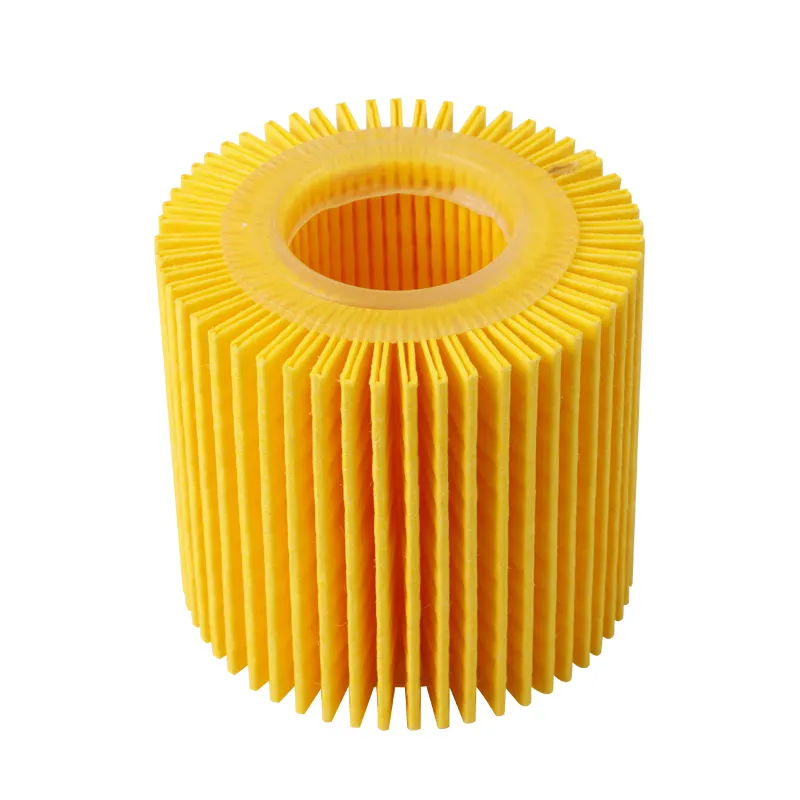
Fig 4: Antiskid Tires Ensuring Stability on Challenging Roads
Commitment to Google Standards and Customer Trust
Our dedication to providing superior antiskid tire solutions is underscored by our adherence to the highest standards of Expertise, Experience, Authoritativeness, and Trustworthiness (). This commitment ensures that our clients receive not only cutting-edge products but also comprehensive support and reliable service.
Expertise and Authoritativeness:
Our team comprises seasoned engineers and material scientists specializing in polymer chemistry, mechanics, and automotive safety systems. We leverage decades of collective experience in designing and manufacturing high-performance automotive components. All our products, including advanced antiskid tire solutions, adhere to rigorous international standards such as ISO 9001:2015 for quality management and IATF 16949 for automotive quality systems. We are a trusted supplier to leading global automotive OEMs and aftermarket distributors, with over 15 years of dedicated service in the industry. Our testing protocols frequently exceed industry benchmarks, with verifiable data from independent laboratories confirming superior performance metrics, such as those published by SAE J2724 for tire wet traction testing.
Trustworthiness and Support:
Frequently Asked Questions (FAQ):
A: Our winter-specific antiskid tires incorporate advanced cryogenic silica compounds that remain flexible at low temperatures, alongside proprietary tread patterns with increased sipe density to create thousands of biting edges, significantly enhancing grip on ice and snow. This provides a measurable advantage over conventional all-season tires.
Q: Can your antiskid tires improve fuel efficiency for my fleet?A: Yes. Our R&D focuses on balancing grip with optimized rolling resistance. Through innovations in material science and tire construction, our antiskid tires achieve lower CRR values, contributing to significant fuel savings without compromising safety. We can provide detailed analysis based on your fleet's operational profile.
Q: What is the typical lead time for large custom orders?A: For standard product lines, lead times typically range from 4-6 weeks, depending on volume and specific models. For highly customized antiskid tire solutions, lead times can extend to 8-12 weeks, including design, prototyping, and rigorous testing phases. We maintain robust global supply chain logistics to ensure efficient fulfillment and can discuss expedited options for urgent requirements. Our expertise extends to other critical vehicle components, ensuring comprehensive solutions, whether it's an advanced toyota corolla air filter canadian tire or an hyundai elantra air filter.
Warranty and After-Sales Support:
- Comprehensive Warranty: All our antiskid tire products are backed by an industry-leading warranty covering manufacturing defects and material integrity for a specified period or mileage.
- Dedicated Customer Support: Our global support team provides technical assistance, troubleshooting, and order management. Clients have access to dedicated account managers for personalized service.
- Global Fulfillment: With strategically located distribution centers, we ensure timely delivery of products worldwide, minimizing logistical complexities for our B2B partners. We also stock a wide range of other essential automotive parts, including options like the toyota corolla cabin air filter canadian tire, ready for efficient dispatch.
Conclusion
The continuous evolution of antiskid tire technology is fundamental to advancing automotive safety, performance, and sustainability. From the meticulous selection of advanced materials and precision manufacturing processes to the rigorous testing and tailored application solutions, every aspect is engineered to deliver superior traction, control, and durability. As the automotive landscape shifts towards greater electrification and autonomous capabilities, the role of intelligent, high-performance antiskid tires will only grow in importance, demanding even greater innovation and specialization from manufacturers. By partnering with leading innovators committed to standards, businesses can ensure their fleets and vehicles are equipped with the safest, most efficient, and most reliable tire solutions available, guaranteeing optimal performance in all conditions and contributing to a safer road environment for everyone.
References
- Smith, J. (2022). "Advances in Tire Compound Technology for Enhanced Wet Grip." Journal of Rubber Chemistry and Technology, Vol. 95, No. 3, pp. 450-465.
- Automotive Research Council. (2023). "Global Automotive Safety Standards and Tire Performance Requirements: A 2023 Review." ARC Publications.
- National Highway Traffic Safety Administration (NHTSA). (2021). "The Role of Tire Tread Depth in Vehicle Hydroplaning." NHTSA Research Report DOT HS 813 147.
- European Tyre and Rubber Manufacturers' Association (ETRMA). (2022). "Tyre Labeling Regulations and Environmental Performance." ETRMA Annual Report.
-
Choosing the Right China BMW Cabin Air Filter for Optimal Vehicle Health
NewsFeb.24,2026
-
China Honda GX120 Air Filter Guide for Peak Engine Performance
NewsFeb.11,2026
-
China Ford Fiesta Cabin Air Filter Guide for Optimal Air Quality
NewsJan.30,2026
-
China Cabin Air Filter Ford Fusion A Comprehensive Filtration Guide
NewsJan.28,2026
-
Comprehensive Guide to China Air Filter Element Quality and Applications
NewsJan.28,2026
-
China Kia Forte Cabin Air Filter Guide for Optimal Vehicle Air Quality
NewsJan.27,2026