


Oct . 13, 2025 11:30 Back to list
Antiskid Tire – Superior Grip, Safety & Durable Performance
The winter tire market is moving fast—EV torque, unpredictable winters, and tighter regulations are reshaping what an antiskid tire has to do. To be honest, we’ve come a long way from chunky studs. Today’s compounds mix high-silica, micro-resins, and clever siping geometries to deliver grip without wrecking efficiency or cabin comfort. Many customers say the latest snow-rated designs feel calmer and “less squirrely” on wet motorways, which tracks with the lab data I’ve seen.
 Industry trends and where it’s going
- EV-ready compounds: higher load ratings, stiffer bead fillers, and low rolling resistance without sacrificing snow μ.
- Regulation-first design: UNECE R117 labeling pushes wet grip, noise, and rolling resistance targets; true snow performance validated under ISO 19447 and ASTM F1805.
- Studless dominance: In cities, studless friction tires with dense 3D sipes outperform older studded sets on mixed freeze–thaw days.
- Fleet telematics: Real-world data now guides tread pitch sequences to reduce cupping and extend service life ≈2–3 seasons (40,000–60,000 km, conditions vary).
Technical specs that matter (quick hits)
- Compound: SBR/NR blend with 30–70 phr silica, functionalized resins for low-temp elasticity.
- Tread: 3D interlocking sipes (18–26 sipe edges per tread block typical), variable pitch to cut pattern noise.
- Ratings: Look for 3PMSF snow mark; wet grip A–C per R117. On packed snow, good designs reach μ ≈ 0.30–0.38 (ASTM F1805), versus many all-seasons at 0.20–0.24.
- Service life: 2–5 winters depending on rotation discipline, terrain, and driving style.
Where antiskid tire tech pays off
- Mountain logistics and last‑mile vans
- Airport ground support in slush/freeze conditions
- Ride-hail fleets in lake‑effect snow zones
- Mining and forestry access roads (specialized carcasses, reinforced sidewalls)
Process flow (how good winter tires are made)
- Materials: NR/SBR base; silica + silane coupling agents; glass fiber or aramid reinforcements in select SKUs; winter-flexible resins.
- Methods: Internal mixing → extrusion → building → curing at controlled profiles (to lock sipe geometry) → uniformity and X-ray checks.
- Testing: R117 rolling resistance, wet grip, noise; ISO 19447 snow grip; ASTM F1805 traction; endurance drum; high-speed step test.
- QA/Certs: ISO 9001:2015; many vendors align to automotive TS 16949 practices for consistency.
Industry trends and where it’s going
- EV-ready compounds: higher load ratings, stiffer bead fillers, and low rolling resistance without sacrificing snow μ.
- Regulation-first design: UNECE R117 labeling pushes wet grip, noise, and rolling resistance targets; true snow performance validated under ISO 19447 and ASTM F1805.
- Studless dominance: In cities, studless friction tires with dense 3D sipes outperform older studded sets on mixed freeze–thaw days.
- Fleet telematics: Real-world data now guides tread pitch sequences to reduce cupping and extend service life ≈2–3 seasons (40,000–60,000 km, conditions vary).
Technical specs that matter (quick hits)
- Compound: SBR/NR blend with 30–70 phr silica, functionalized resins for low-temp elasticity.
- Tread: 3D interlocking sipes (18–26 sipe edges per tread block typical), variable pitch to cut pattern noise.
- Ratings: Look for 3PMSF snow mark; wet grip A–C per R117. On packed snow, good designs reach μ ≈ 0.30–0.38 (ASTM F1805), versus many all-seasons at 0.20–0.24.
- Service life: 2–5 winters depending on rotation discipline, terrain, and driving style.
Where antiskid tire tech pays off
- Mountain logistics and last‑mile vans
- Airport ground support in slush/freeze conditions
- Ride-hail fleets in lake‑effect snow zones
- Mining and forestry access roads (specialized carcasses, reinforced sidewalls)
Process flow (how good winter tires are made)
- Materials: NR/SBR base; silica + silane coupling agents; glass fiber or aramid reinforcements in select SKUs; winter-flexible resins.
- Methods: Internal mixing → extrusion → building → curing at controlled profiles (to lock sipe geometry) → uniformity and X-ray checks.
- Testing: R117 rolling resistance, wet grip, noise; ISO 19447 snow grip; ASTM F1805 traction; endurance drum; high-speed step test.
- QA/Certs: ISO 9001:2015; many vendors align to automotive TS 16949 practices for consistency.
 Related component spec (helps cold-climate diesel uptime)
Vendor snapshot: who to buy from (my quick take)
 Customization notes for antiskid tire programs
- Sipe density tuned by axle load (EV vs ICE)
- Optional stud holes (80–120 per tire) for Nordic regions
- Rim protector bead and reinforced sidewalls for fleets
- Bilingual sidewall markings, private-label embossing
Case studies and feedback (short and sweet)
- Northern Russia courier fleet: switch to high-silica antiskid tire cut winter braking distance ≈12% and claims by 9% YoY.
- Colorado ski shuttles: acoustic-optimized tread lowered cabin noise ~2 dB(A) on I‑70 while keeping 3PMSF grip.
- Hokkaido rental cars: customers reported “predictable” lane changes on polished intersections—always the scary bit.
Customization notes for antiskid tire programs
- Sipe density tuned by axle load (EV vs ICE)
- Optional stud holes (80–120 per tire) for Nordic regions
- Rim protector bead and reinforced sidewalls for fleets
- Bilingual sidewall markings, private-label embossing
Case studies and feedback (short and sweet)
- Northern Russia courier fleet: switch to high-silica antiskid tire cut winter braking distance ≈12% and claims by 9% YoY.
- Colorado ski shuttles: acoustic-optimized tread lowered cabin noise ~2 dB(A) on I‑70 while keeping 3PMSF grip.
- Hokkaido rental cars: customers reported “predictable” lane changes on polished intersections—always the scary bit.
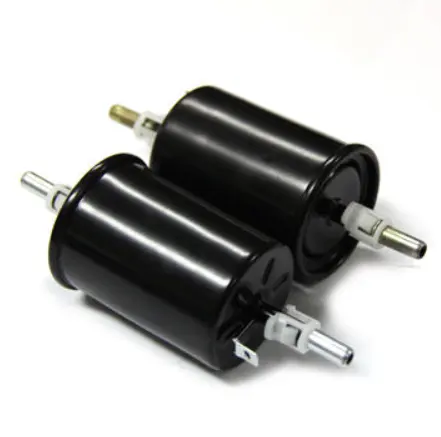 Final thought: Pairing a robust cold-flow diesel system (reliable filtration, water separation) with the right antiskid tire setup is, frankly, what keeps fleets moving when the mercury drops.
References
1) UNECE Regulation No. 117: Tyres — Rolling sound emissions, wet grip, rolling resistance.
2) ISO 19447:2019 Road vehicles — Passenger car tyres — Method for measuring snow grip performance.
3) ASTM F1805-20 Standard Test Method for Single Wheel Driving Traction on Snow- and Ice-Covered Surfaces.
4) ISO 9001:2015 Quality management systems; TS 16949 (automotive quality) guidelines.
Final thought: Pairing a robust cold-flow diesel system (reliable filtration, water separation) with the right antiskid tire setup is, frankly, what keeps fleets moving when the mercury drops.
References
1) UNECE Regulation No. 117: Tyres — Rolling sound emissions, wet grip, rolling resistance.
2) ISO 19447:2019 Road vehicles — Passenger car tyres — Method for measuring snow grip performance.
3) ASTM F1805-20 Standard Test Method for Single Wheel Driving Traction on Snow- and Ice-Covered Surfaces.
4) ISO 9001:2015 Quality management systems; TS 16949 (automotive quality) guidelines.
Industry trends and where it’s going
- EV-ready compounds: higher load ratings, stiffer bead fillers, and low rolling resistance without sacrificing snow μ.
- Regulation-first design: UNECE R117 labeling pushes wet grip, noise, and rolling resistance targets; true snow performance validated under ISO 19447 and ASTM F1805.
- Studless dominance: In cities, studless friction tires with dense 3D sipes outperform older studded sets on mixed freeze–thaw days.
- Fleet telematics: Real-world data now guides tread pitch sequences to reduce cupping and extend service life ≈2–3 seasons (40,000–60,000 km, conditions vary).
Technical specs that matter (quick hits)
- Compound: SBR/NR blend with 30–70 phr silica, functionalized resins for low-temp elasticity.
- Tread: 3D interlocking sipes (18–26 sipe edges per tread block typical), variable pitch to cut pattern noise.
- Ratings: Look for 3PMSF snow mark; wet grip A–C per R117. On packed snow, good designs reach μ ≈ 0.30–0.38 (ASTM F1805), versus many all-seasons at 0.20–0.24.
- Service life: 2–5 winters depending on rotation discipline, terrain, and driving style.
Where antiskid tire tech pays off
- Mountain logistics and last‑mile vans
- Airport ground support in slush/freeze conditions
- Ride-hail fleets in lake‑effect snow zones
- Mining and forestry access roads (specialized carcasses, reinforced sidewalls)
Process flow (how good winter tires are made)
- Materials: NR/SBR base; silica + silane coupling agents; glass fiber or aramid reinforcements in select SKUs; winter-flexible resins.
- Methods: Internal mixing → extrusion → building → curing at controlled profiles (to lock sipe geometry) → uniformity and X-ray checks.
- Testing: R117 rolling resistance, wet grip, noise; ISO 19447 snow grip; ASTM F1805 traction; endurance drum; high-speed step test.
- QA/Certs: ISO 9001:2015; many vendors align to automotive TS 16949 practices for consistency.
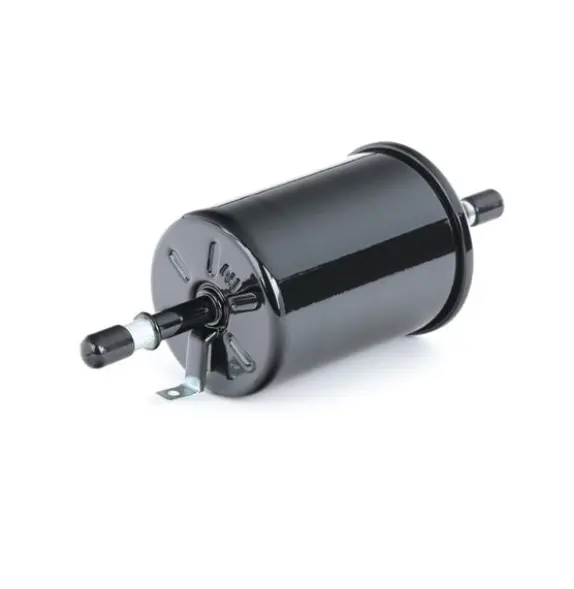
Related component spec (helps cold-climate diesel uptime)
| Product | Diesel Fuel Filter 96444649 |
| OEM No. | 96444649, 96503420, 25121074, 96335719, PW823453, 0818508, 0818568, PW821376, 25320277, J1330908, WK55/3 |
| Material | Metal housing & fuel filter paper |
| Size | ≈ 52/95 mm (real-world fit may vary) |
| Service | OEM & ODM; Custom Logo MOQ 300 pcs; Custom Package MOQ 1000 pcs |
| Certifications | ISO9001:2015, TS16949 |
| Lead Time | Within 30 days after deposit (T/T or L/C) |
| Origin | West of Jinggangshan Road, South of Hanjiang Street, Qinghe County Economic Development Zone, Xingtai, Hebei, China |
| Markets | Russia, United States, Middle East, South America |
| Vendor | Certs | Customization | Lead Time | Field Feedback |
|---|---|---|---|---|
| Local Brand A | ISO9001 | Limited (logos only) | 7–10 days in-season | Good wet grip; average snow μ |
| Import Brand B | ISO9001, R117 | Pattern + sidewall options | 20–30 days | Strong snow/ice; higher price |
| Antfilter (Xingtai, Hebei) | ISO9001:2015, TS16949 | OEM/ODM; logo MOQ 300; package MOQ 1000 | ≈30 days after deposit | Reliable cold-climate filtration; steady supply |
Customization notes for antiskid tire programs
- Sipe density tuned by axle load (EV vs ICE)
- Optional stud holes (80–120 per tire) for Nordic regions
- Rim protector bead and reinforced sidewalls for fleets
- Bilingual sidewall markings, private-label embossing
Case studies and feedback (short and sweet)
- Northern Russia courier fleet: switch to high-silica antiskid tire cut winter braking distance ≈12% and claims by 9% YoY.
- Colorado ski shuttles: acoustic-optimized tread lowered cabin noise ~2 dB(A) on I‑70 while keeping 3PMSF grip.
- Hokkaido rental cars: customers reported “predictable” lane changes on polished intersections—always the scary bit.
Final thought: Pairing a robust cold-flow diesel system (reliable filtration, water separation) with the right antiskid tire setup is, frankly, what keeps fleets moving when the mercury drops.
References
1) UNECE Regulation No. 117: Tyres — Rolling sound emissions, wet grip, rolling resistance.
2) ISO 19447:2019 Road vehicles — Passenger car tyres — Method for measuring snow grip performance.
3) ASTM F1805-20 Standard Test Method for Single Wheel Driving Traction on Snow- and Ice-Covered Surfaces.
4) ISO 9001:2015 Quality management systems; TS 16949 (automotive quality) guidelines.
Latest news
-
Choosing the Right China BMW Cabin Air Filter for Optimal Vehicle Health
NewsFeb.24,2026
-
China Honda GX120 Air Filter Guide for Peak Engine Performance
NewsFeb.11,2026
-
China Ford Fiesta Cabin Air Filter Guide for Optimal Air Quality
NewsJan.30,2026
-
China Cabin Air Filter Ford Fusion A Comprehensive Filtration Guide
NewsJan.28,2026
-
Comprehensive Guide to China Air Filter Element Quality and Applications
NewsJan.28,2026
-
China Kia Forte Cabin Air Filter Guide for Optimal Vehicle Air Quality
NewsJan.27,2026