


Oct . 16, 2025 14:30 Back to list
Car Air Filter – High Efficiency, OEM Fit, China Supplier
Inside the modern car air filter: trends, specs, and real-world performance
If you drive anything with an internal combustion engine—hybrid included—your engine lives or dies by the quality of its intake filtration. Sounds dramatic, but dust is a silent killer. Over the last two years, I’ve toured several filter plants and talked to fleet managers from Dubai to Detroit. The takeaway? The humble car air filter is getting smarter, tougher, and, surprisingly, more customizable for regional dust profiles and service intervals.
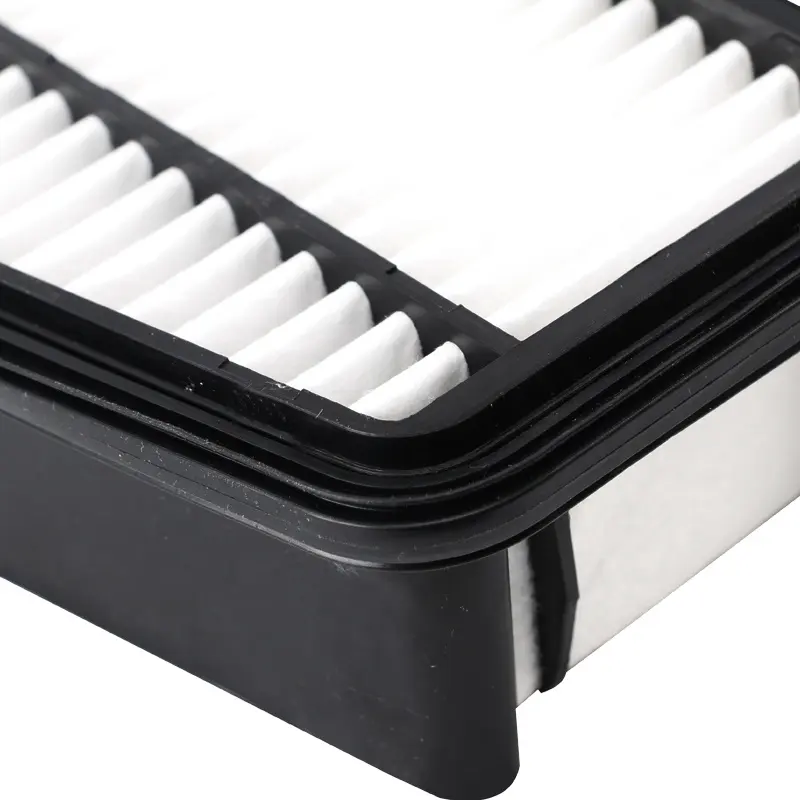
Quick product snapshot
| Product | Car Air Filter / Automobile air filter |
| OEM No. | 17801-51020 (Toyota fitment; verify VIN before ordering) |
| Material | PP frame & nonwoven pleated media |
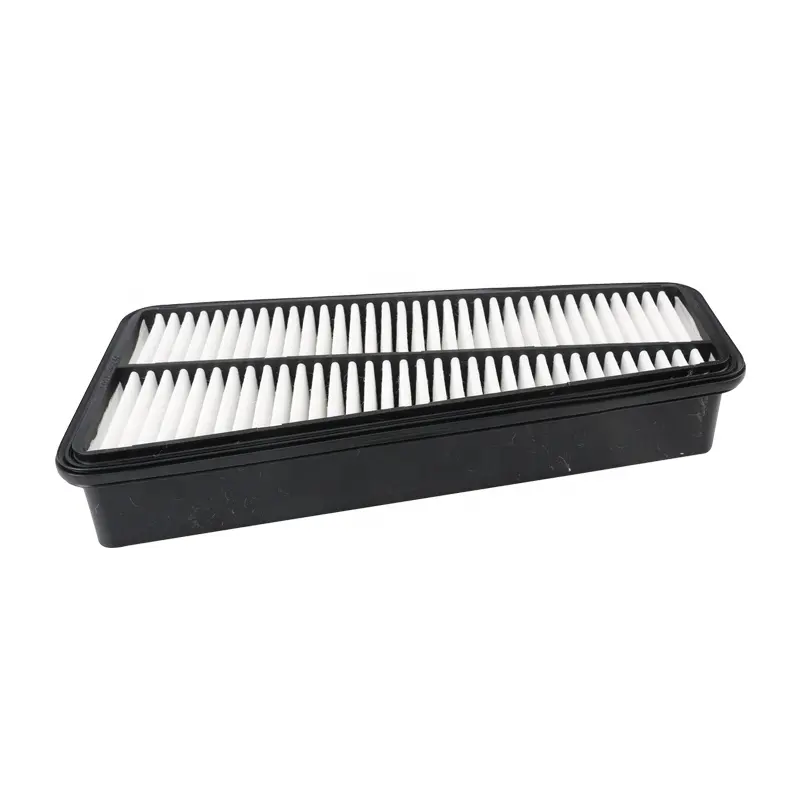
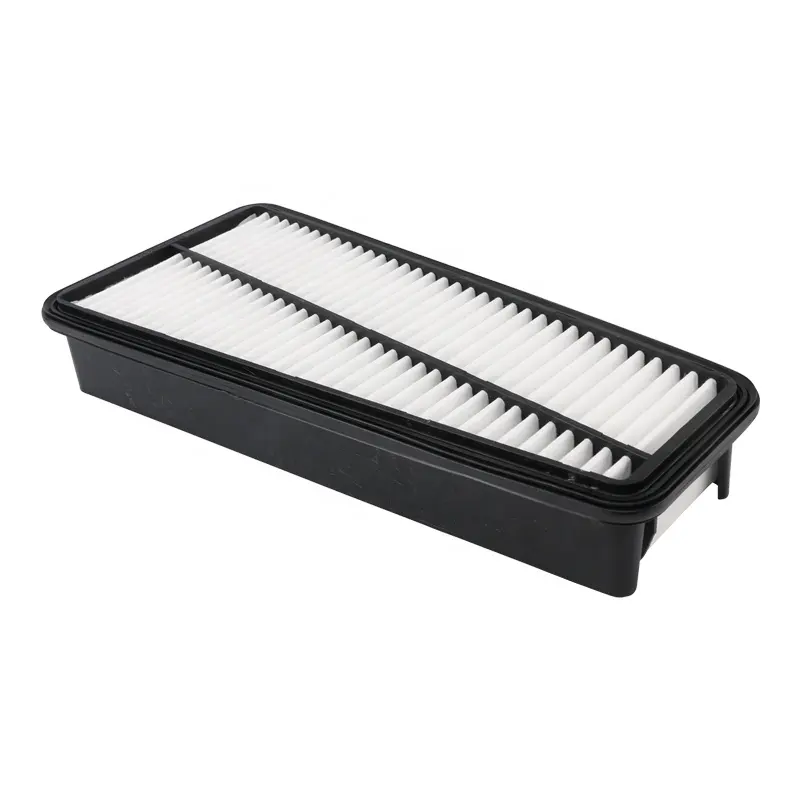
| Size | 318 × 301 × 62 mm |
| Certificates | ISO 9001:2015; TS16949/IATF lineage |
| Service | OEM & ODM customization |
| MOQ (Logo / Package) | 300 pcs / 1000 pcs |
| Lead Time | ≈30 days after deposit (T/T or L/C) |
| Origin | Qinghe County Economic Development Zone, Xingtai, Hebei, China |
What’s changing in engine filtration
- Electrification is real, but ICE and hybrids dominate in Russia, the U.S., the Middle East, and South America—regions where dust loading is no joke. Vendors are pushing higher dust-holding capacity and lower pressure drop.
- Media tech is shifting from pure cellulose to synthetic blends and nanofiber layers for better capture of 5–10 μm particles. In practice, that means cleaner MAF sensors and steadier fuel trims.
Materials and process (how it’s built)
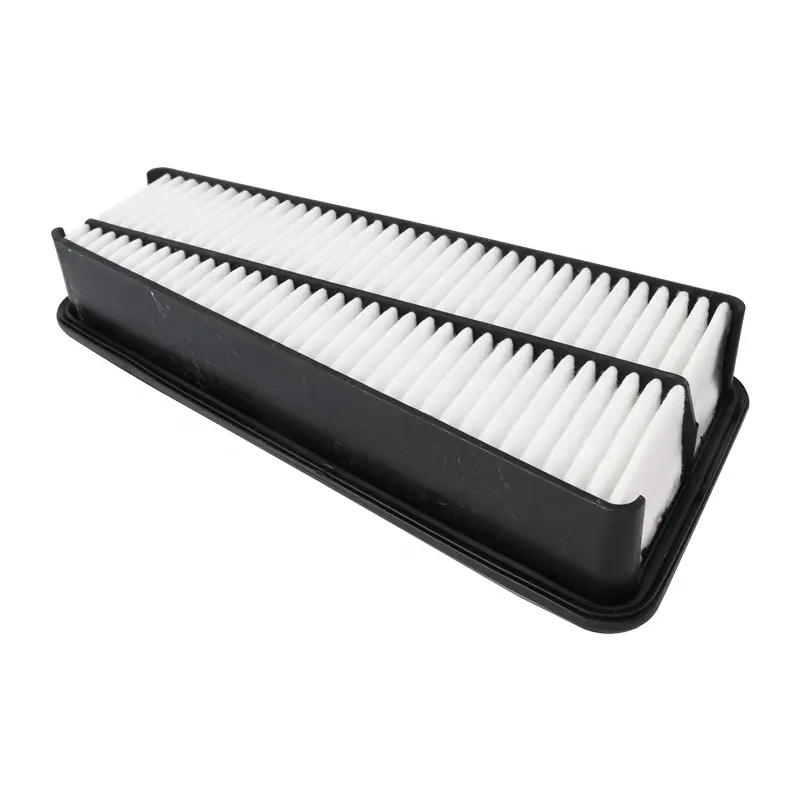
Frame: injection-molded PP for stability; Media: multilayer nonwoven, pleated with controlled pitch; Bonding: hot-melt adhesives; Gasket: foam seal to prevent bypass. QC includes pleat uniformity checks, adhesion peel tests, and dimensional gauging. To be honest, good filters live or die on the pleat geometry and seal integrity more than marketing claims.
Test standards and indicative data
- Filtration efficiency: ≥99.5% on ISO 12103-1 A2 fine dust per ISO 5011, real-world may vary.
- Initial pressure drop: ≈1.2–1.8 kPa at ~250–300 m³/h (application-dependent).
- Dust holding capacity: around 90–130 g before terminal ΔP, based on lab rigs.
- Service life: typically 12,000–20,000 km; severe dust routes 8,000–10,000 km. Many customers say they “feel” throttle response return after a swap—placebo? Maybe, but the dyno agrees when ΔP was high.
Applications and advantages
Use it on compatible Toyota platforms referencing 17801-51020 (please cross-check). Fleets like it for steady ΔP, DIYers for drop-in fit, and tuners because it plays nice with MAF sensors. Main perks: robust seal, consistent pleats, and predictable loading curve. In fact, a well-sealed car air filter protects rings and turbo compressors more than most realize.
Vendor snapshot (why this one vs. others?)
| Vendor | Certs | Customization | Lead Time | Notes |
|---|---|---|---|---|
| Antfilter (Hebei) | ISO9001:2015; TS16949 lineage | OEM/ODM; logo ≥300 pcs; package ≥1000 pcs | ≈30 days | Solid seal control; consistent pleat pitch |
| OEM A | IATF 16949 | Limited colors/packaging | 20–40 days | Premium pricing |
| Marketplace Brand | Varies | No | Stock-based | Efficiency may vary batch-to-batch |
Case notes from the field
- Dubai taxi fleet: switching to this car air filter reduced MAF-related CELs by ~30% over six months; change interval pulled back from 15k to 10k km in sand season, which is reasonable.
- U.S. Midwest delivery vans: drivers reported “peppier” response after swaps; data showed ΔP drop of ≈0.6 kPa vs. clogged units. Not rocket science, just maintenance done right.
Buying and compliance checklist
- Match OEM No. and dimensions; inspect gasket compression after install. - Ask for ISO 5011 test summaries and certificate copies (ISO9001, TS/IATF). - For fleets, request dust-loading curves and initial ΔP at known flow rates.
References:
- ISO 5011: Inlet air cleaning equipment for internal combustion engines — Performance testing
- IATF 16949:2016 — Automotive Quality Management System standard
- ISO 12103-1: Road vehicles — Test dust for filter evaluation (A2 Fine)
-
Choosing the Right China BMW Cabin Air Filter for Optimal Vehicle Health
NewsFeb.24,2026
-
China Honda GX120 Air Filter Guide for Peak Engine Performance
NewsFeb.11,2026
-
China Ford Fiesta Cabin Air Filter Guide for Optimal Air Quality
NewsJan.30,2026
-
China Cabin Air Filter Ford Fusion A Comprehensive Filtration Guide
NewsJan.28,2026
-
Comprehensive Guide to China Air Filter Element Quality and Applications
NewsJan.28,2026
-
China Kia Forte Cabin Air Filter Guide for Optimal Vehicle Air Quality
NewsJan.27,2026