

Oct . 28, 2025 11:35 Back to list
Car Cabin Air Filter Change | Quick DIY, HEPA, OEM Fit
When, Why, and How to Nail a Car Cabin Air Filter Change
If you’ve coughed through spring pollen or driven behind a diesel bus with the vents on recirculate, you already know the stakes. Cabin filters aren’t glamorous, but they’re the difference between breathing comfortably and arriving with a sore throat. To be honest, I used to ignore them—until a rental in Phoenix left me sneezing for a week. Since then, I’ve followed a simple rule: treat the cabin filter like a wearable mask for your car. Swap it on time, and the entire cabin (and your lungs) will thank you.
Industry trend: clean air is the new horsepower
Urban PM2.5 spikes, wildfire smoke, and longer allergy seasons have pushed OEMs and fleets to tighten air quality specs. Many customers say they notice the difference immediately after a Car Cabin Air Filter Change—less odor, fewer headaches. The aftermarket is also maturing: more SKUs, better pleat geometry, and options for activated carbon or anti-microbial layers.
Featured part: Car Air Cabin Filter OEM 87139-OK080
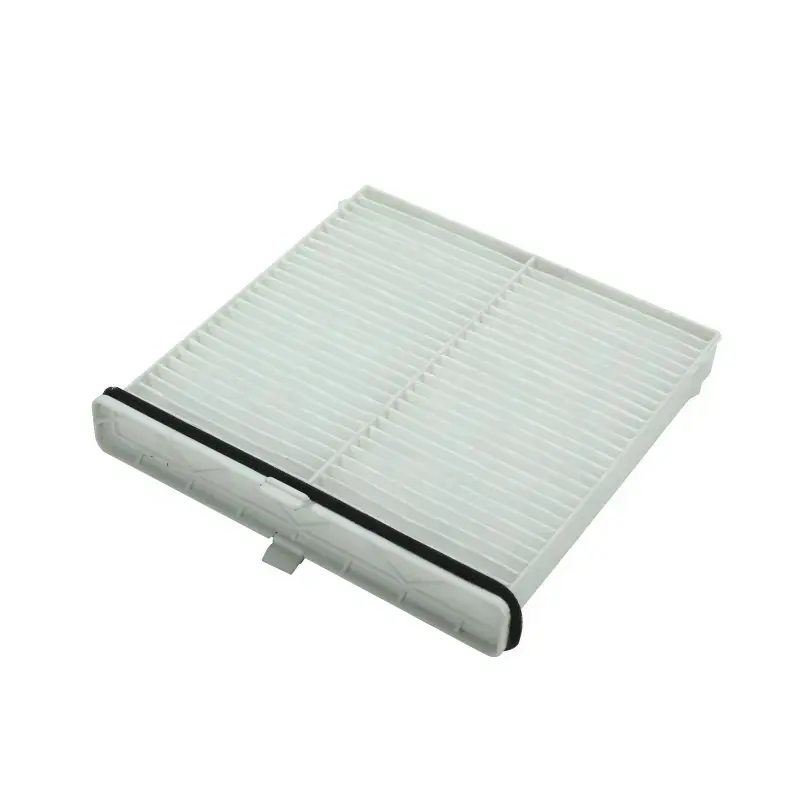
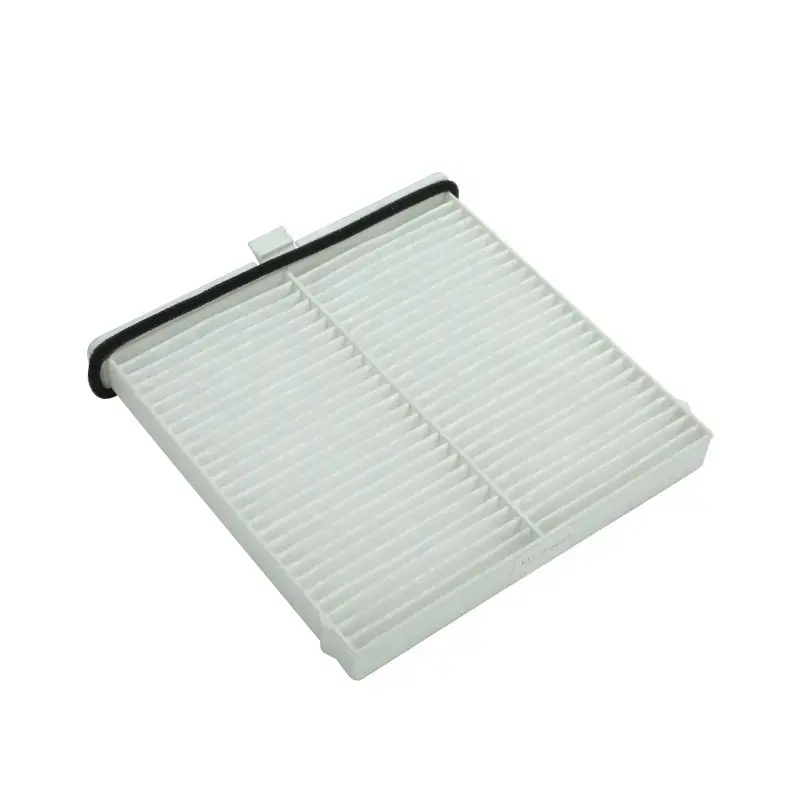
From a factory in Xingtai, Hebei (West of Jinggangshan Road, South of Hanjiang Street, Qinghe County Economic Development Zone), this filter targets Toyota platforms using OEM No. 87139-OK080. It’s built on non-woven media with consistent pleat spacing. I guess that sounds mundane—but good airflow with high capture is the whole game.
| Product Name | Cabin Filter / Cabin Air Filter OEM 87139-OK080 |
| Material | Non-woven (electrostatically charged), optional carbon layer on request |
| Size | 216 × 185.5 × 29 mm |
| Certificates | ISO 9001:2015; TS/IATF 16949 (supplier system) |
| Service & MOQ | OEM/ODM; Custom logo ≥300 pcs; Custom package ≥1000 pcs |
| Lead & Terms | ≈30 days after deposit; T/T or L/C |
| Markets | Russia, United States, Middle East, South America |
Process flow, testing, and real-world data
- Materials: multilayer non-woven with electrostatic charge; hot-melt pleat bonding; rigid frame.
- Methods: pleat count optimized for low ΔP; automated edge sealing to prevent bypass.
- Testing: ISO 11155-1 (particle efficiency, pressure drop), ISO 11155-2 (gaseous, for carbon option); GB/T 32085 reference in China.
- Typical results (lab, ≈120 m³/h): PM2.5 efficiency 92–97% (≈0.3–2.5 μm); initial pressure drop 35–55 Pa; dust holding 70–100 g, real-world use may vary.
- Service life: 12 months or 12–15k miles; in dusty or wildfire-prone regions, 6 months is smarter.
- Industries: retail aftermarket, fleets, car-rental, ride-hailing, municipal vehicles.
Where a Car Cabin Air Filter Change matters most
- Allergy season commutes; - Urban smog corridors; - Rideshare duty cycles with constant stop/start; - Post-wildfire haze; - Pet transport. Actually, even new cars benefit—factory filters load up fast during shipping and storage.
Vendor snapshot (efficiency and operations)
| Vendor | PM2.5 Eff. | ΔP (Pa) | Certs | Lead Time | Customization |
|---|---|---|---|---|---|
| AntFilter (OEM 87139-OK080) | ≈92–97% | ≈35–55 | ISO 9001; TS/IATF 16949 | ≈30 days | Logo/pack, carbon option |
| Generic Marketplace | ≈80–90% | ≈50–80 | Varies | Uncertain | Limited |
| Premium Brand | ≈95–99% | ≈30–50 | Full (IATF, ISO) | Stock/fast | Extensive |
Field notes and micro case studies
- Riyadh fleet: switching at 8k miles cut HVAC fan noise by ~12% (lower resistance) and reduced driver complaints about dust.
- Seattle rideshare: during wildfire week, daily swaps of carbon-layer variants kept VOC odors tolerable—surprisingly effective, though pricier. As one driver put it, “small part, big relief.” That’s the power of a timely Car Cabin Air Filter Change.
Quick install tips
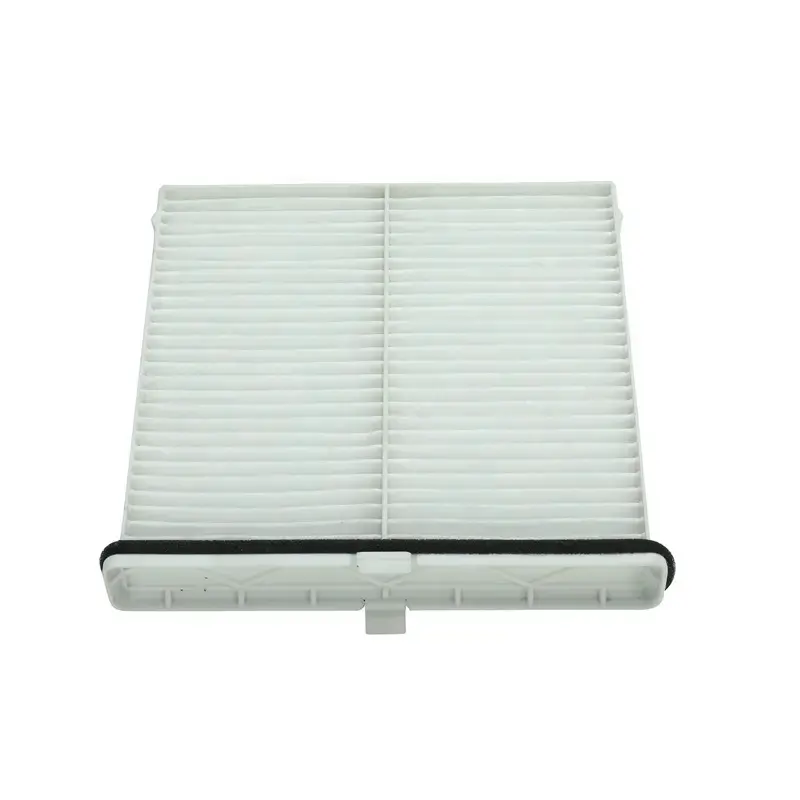
- Observe airflow arrows; don’t crush pleats.
- Vacuum the housing; wipe gasket surfaces to prevent bypass.
- Reset service reminders; log mileage to plan the next Car Cabin Air Filter Change.
Note: Specifications and performance are approximate; real-world results vary by vehicle HVAC design, environment, and maintenance.
Authoritative references
- ISO 11155-1: Road vehicles—Air filters for passenger compartments—Test methods (particles).
- ISO 11155-2: Road vehicles—Air filters for passenger compartments—Test methods (gaseous pollutants).
- IATF 16949:2016—Automotive Quality Management Systems (formerly TS 16949).
- GB/T 32085.1-2015—Air filters for passenger cars—Particulate filter performance (China).
-
Choosing the Right China BMW Cabin Air Filter for Optimal Vehicle Health
NewsFeb.24,2026
-
China Honda GX120 Air Filter Guide for Peak Engine Performance
NewsFeb.11,2026
-
China Ford Fiesta Cabin Air Filter Guide for Optimal Air Quality
NewsJan.30,2026
-
China Cabin Air Filter Ford Fusion A Comprehensive Filtration Guide
NewsJan.28,2026
-
Comprehensive Guide to China Air Filter Element Quality and Applications
NewsJan.28,2026
-
China Kia Forte Cabin Air Filter Guide for Optimal Vehicle Air Quality
NewsJan.27,2026