


Sep . 19, 2025 10:20 Back to list
Enhanced Grip Antiskid Tires: Drive Safer, All Seasons
The Critical Role of Advanced Antiskid Tire Technology in B2B Operations
In the demanding landscape of B2B logistics, construction, and specialized transportation, vehicle uptime, safety, and operational efficiency are paramount. Central to achieving these objectives is the performance of a vehicle's tires, particularly the implementation of sophisticated antiskid tire technology. These specialized tires are engineered to deliver superior traction and stability across a myriad of challenging surfaces and adverse weather conditions, significantly mitigating risks and enhancing overall fleet productivity.
This comprehensive overview delves into the technical intricacies, application benefits, and strategic considerations for deploying state-of-the-art antiskid tire solutions, providing B2B decision-makers with the insights necessary to optimize their fleet's performance and safety protocols.
Industry Trends in Antiskid Tire Technology
The global tire market, valued at approximately USD 270 billion in 2022 and projected to grow at a CAGR of 4.5% through 2030, is experiencing significant innovation driven by evolving safety regulations, environmental concerns, and advancements in material science. For antiskid tire segments, key trends include:
- Smart Tire Integration: The incorporation of sensors for real-time monitoring of tire pressure, temperature, and tread wear. This data is critical for predictive maintenance, optimizing fuel efficiency, and preventing unexpected breakdowns in commercial fleets.
- Sustainable Materials: A growing emphasis on eco-friendly rubber compounds, including increased use of natural rubber, recycled materials, and innovative fillers like bio-derived silica, aimed at reducing the carbon footprint of tire production and disposal.
- Enhanced Compound Development: Continuous research into advanced polymer blends and silica reinforcement to improve viscoelastic properties, offering superior grip in cold temperatures while maintaining durability and reducing rolling resistance for better fuel economy.
- Adaptive Tread Patterns: Development of tread designs that can dynamically adapt to changing road conditions, optimizing traction for both wet and dry surfaces, and significantly improving hydroplaning resistance.
- Specialization for EV Fleets: Design considerations for electric vehicles, which require tires that can handle higher torque, support heavier battery packs, and offer quieter operation while maintaining excellent traction.
These trends underscore a commitment to developing antiskid tire solutions that not only enhance safety but also contribute to the economic and environmental sustainability of B2B operations.
Manufacturing Process Flow for Antiskid Tires
The production of an antiskid tire is a complex, multi-stage engineering feat, combining material science with precision manufacturing. The process is meticulously controlled to ensure optimal performance, durability, and compliance with stringent international standards like ISO 9001 and DOT regulations.
Key Stages in Antiskid Tire Manufacturing:
-
1. Material Mixing:
High-grade natural rubber, synthetic rubbers (e.g., SBR, BR), carbon black, silica, oils, anti-oxidants, and vulcanizing agents are carefully weighed and blended in a Banbury mixer. This process creates specialized compounds with specific viscoelastic properties crucial for grip in varying temperatures and surfaces, including enhanced silica-rich compounds for superior wet and ice traction.
-
2. Component Preparation:
- Calendering: Rubber compounds are pressed into thin sheets, often reinforced with fabric (nylon, polyester) or steel cords, forming plies for the tire body.
- Extrusion: Heated rubber is forced through dies to form continuous strips for treads and sidewalls, precisely engineered for specific tread patterns and siping.
- Bead Building: High-tensile steel wires are coated with rubber to form the bead, which secures the tire to the wheel rim.
-
3. Tire Building (Green Tire Assembly):
On a tire-building machine, the components—inner liner, body plies, beads, belts, and tread—are assembled layer by layer around a rotating drum. This forms an uncured "green" tire, which is carefully shaped to ensure structural integrity and balance.
-
4. Curing (Vulcanization):
The green tire is placed in a curing press where heat and pressure are applied. This vulcanization process chemically cross-links the rubber polymers, giving the tire its final shape, tread pattern, and permanent performance characteristics, including the crucial grip and durability of the antiskid tire.
-
5. Final Inspection and Testing:
Each finished tire undergoes rigorous quality control. This includes visual inspection, X-ray analysis for internal defects, uniformity testing (for balance and structural consistency), and dynamic testing to simulate road conditions. Tires must meet stringent international standards, such as E-mark certification for Europe and DOT for North America, ensuring superior service life and reliability in demanding target industries like petrochemicals, metallurgy, and water supply & drainage, where energy saving and corrosion resistance are also key considerations.
Technical Specifications and Parameters of Antiskid Tires
Understanding the technical specifications of an antiskid tire is crucial for proper selection and optimized fleet performance. These parameters directly influence traction, durability, and operational efficiency.
| Parameter | Description | Typical Range/Value |
|---|---|---|
| Tread Compound | Specialized silica-reinforced polymer blends for optimal grip in low temperatures and wet conditions. | High natural rubber content (up to 60%), higher silica load (20-30%) |
| Tread Depth | Critical for snow and slush evacuation, providing mechanical grip. | 8-15 mm (new, varies by tire type) |
| Siping Density | Number of small cuts (sipes) per tread block, increasing biting edges for ice/snow traction. | ~2000-5000 sipes per tire (passenger); more for commercial |
| Load Index | Numerical code indicating maximum load capacity per tire at maximum inflation pressure. | 80-120+ (Passenger); 100-160+ (Commercial/Truck) |
| Speed Rating | Alphabetic code indicating maximum safe operating speed. | Q (160 km/h) to V (240 km/h) for winter/all-weather |
| Rolling Resistance Coefficient (RRC) | Measure of energy loss due to tire deformation, impacting fuel efficiency. | 0.007 to 0.015 (lower is better for fuel economy) |
Advanced compounding, particularly the strategic incorporation of silica and specialized polymers, enables the antiskid tire to maintain flexibility at freezing temperatures, a critical factor for grip on ice and packed snow. This technical superiority is what distinguishes true antiskid performance from general-purpose or all-season tires.
Application Scenarios and Advantages
The strategic deployment of antiskid tire technology is indispensable across a broad spectrum of B2B applications where safety, reliability, and continuous operation are non-negotiable.
- Commercial Logistics & Delivery Fleets: For businesses reliant on timely deliveries, particularly in regions prone to severe winters or frequent heavy rainfall. Superior traction reduces delivery delays, minimizes accident risk, and protects valuable cargo.
- Public Transportation: City buses and school fleets demand ultimate safety. Antiskid tire performance ensures passenger safety and maintains service schedules even in challenging weather, crucial for public trust and operational continuity.
- Emergency Services: Police, ambulance, and fire services require uncompromised mobility. These tires provide the necessary grip for rapid response in critical situations, regardless of road conditions.
- Construction & Industrial Vehicles: Heavy equipment operating on muddy, icy, or uneven construction sites benefits immensely. Enhanced traction improves machine stability, reduces slippage, and boosts productivity, extending the service life of equipment by reducing strain from poor traction.
- Agricultural Machinery: Tractors and farm vehicles often operate on soft, wet, or slippery terrain. Specialized antiskid patterns can prevent bogging down, improving efficiency and reducing fuel consumption in challenging field conditions.
The advantages extend beyond immediate safety. Fleet operators typically report a 10-20% reduction in winter-related accidents, a direct impact on insurance costs and employee well-being. Furthermore, optimized traction reduces wheel spin, leading to better fuel efficiency and extended tire life, contributing to a lower total cost of ownership (TCO).
Vendor Comparison: Selecting the Right Antiskid Tire Partner
Choosing a supplier for antiskid tire solutions involves evaluating several critical factors beyond just initial price. B2B decision-makers must consider technology, certifications, customization capabilities, and after-sales support.
| Feature | Global Tier 1 Manufacturer | Specialized Innovator (e.g., Regional Expertise) | Cost-Optimized Provider |
|---|---|---|---|
| Technology & R&D | Leading-edge, proprietary compounds (e.g., Cryo-Crystal), extensive R&D budget. | Focused innovation in specific niche (e.g., studless ice grip, extreme off-road), agile R&D. | Proven, standard technologies, less emphasis on bleeding-edge R&D. |
| Product Range | Extensive, covering all vehicle types (passenger to heavy commercial), diverse conditions. | Niche focus (e.g., heavy-duty truck winter, all-terrain M+S), fewer sizes. | Standard commercial sizes, general-purpose patterns. |
| Certifications | ISO/TS 16949, E-mark, DOT, 3PMSF (3 Peak Mountain Snowflake) for severe winter. | Strong regional certifications, often 3PMSF, sometimes specialized industry certs. | Basic DOT/ECE, may lack advanced winter ratings. |
| Customization | Limited for mass market; significant for OEM partnerships. | High flexibility for fleet-specific compounds, unique tread designs for volume orders. | Minimal to none. |
| Price Point | Premium. | Mid-to-Premium, depending on specialization. | Budget-friendly. |
| Warranty & Support | Extensive global network, comprehensive mileage/defect warranties. | Strong regional support, specialized technical assistance. | Standard, limited warranty. |
Customized Solutions for Specialized Fleets
For B2B entities with unique operational demands, off-the-shelf antiskid tire solutions may not always suffice. Leading manufacturers offer customized options to meet specific performance criteria:
- Compound Tailoring: Adjusting the rubber compound blend (e.g., higher silica content for extreme ice, tougher polymer for abrasive surfaces) to optimize performance for specific environments.
- Tread Pattern Modifications: Designing unique siping patterns or lug shapes to enhance grip in particular conditions, such as deep snow, mud, or on specific industrial flooring.
- Size and Load Variations: Producing tires with non-standard dimensions or reinforced structures to accommodate exceptional vehicle weights or unusual wheel configurations.
- Integrated Sensor Systems: Embedding advanced TPMS (Tire Pressure Monitoring System) sensors or RFID chips directly into the tire during manufacturing for seamless integration with fleet management systems, offering enhanced data analytics for proactive maintenance.
These bespoke solutions ensure that every antiskid tire is precisely aligned with the client's operational exigencies, maximizing safety, efficiency, and return on investment.
Application Case Studies
Real-world implementations underscore the tangible benefits of investing in advanced antiskid tire technology:
Case Study 1: Cold Chain Logistics Fleet
A major cold chain logistics provider operating in the Canadian Prairies faced consistent challenges with delivery delays and increased accident rates during winter months, largely attributed to inadequate tire performance. Following a comprehensive fleet overhaul to specialized antiskid tire solutions with 3PMSF ratings, the company reported a:
- 22% reduction in winter-related collision incidents within the first season.
- 15% improvement in on-time delivery rates during peak winter periods.
- 8% decrease in fuel consumption due to reduced wheel slippage and optimized rolling resistance.
The investment resulted in significant savings from reduced downtime, insurance claims, and improved brand reputation.
Case Study 2: Municipal Waste Management
A large municipal waste management department in the Northeastern U.S. struggled with fleet mobility and safety on icy residential streets. Standard all-season tires proved insufficient. Transitioning to a custom-engineered antiskid tire featuring aggressive tread patterns and highly flexible compounds specifically for urban winter conditions yielded a:
- 30% reduction in vehicle recovery calls due to being stuck on ice or snow.
- 10% decrease in overall maintenance costs related to drivetrain stress from traction loss.
- Enhanced public safety perception due to reliable service delivery.
Integrated Vehicle System Longevity: Beyond the Tire
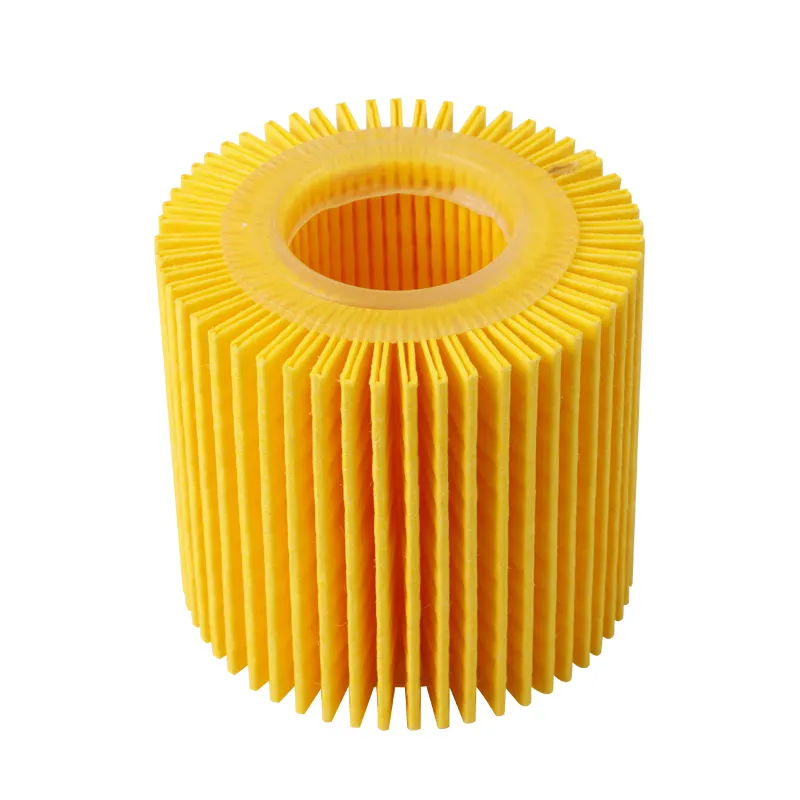
While the performance of an antiskid tire is critical for traction and safety, optimal fleet longevity and efficiency require a holistic approach to vehicle maintenance. Just as specialized tires enhance road contact, other components are vital for vehicle health and operational reliability. For instance, maintaining clean air and oil filters directly impacts engine performance, fuel efficiency, and emissions – crucial considerations for any B2B fleet.
Regular replacement of filters such as the Toyota Corolla cabin air filter Canadian Tire offers, or a Hyundai Elantra air filter, ensures occupants' comfort and health by filtering out pollutants and allergens. Similarly, the Toyota Corolla air filter Canadian Tire provides protects the engine from abrasive particles, preventing premature wear. For heavy-duty industrial equipment or vehicles requiring precise OEM specifications, sourcing high-quality components like a China Bryant air filter or an OEM Bryant air filter is essential. A meticulous maintenance schedule that addresses all critical automotive systems, including specialized tires and filtration, collectively contributes to a lower total cost of ownership and sustained operational excellence.
Trustworthiness & Support: Your Partner in Antiskid Performance
Establishing trust with B2B clients involves transparent operations, robust support, and clear commitments. Our approach to antiskid tire solutions is built on these pillars.
Frequently Asked Questions (FAQ)
- Q: What is the optimal storage method for antiskid tires not in use?
A: Store tires in a cool, dry, dark environment away from direct sunlight, chemicals, and ozone-generating equipment. They should be stacked or hung to prevent deformation. - Q: How do I choose the correct antiskid tire for my fleet?
A: Consult with our technical experts, providing details on vehicle types, typical operating conditions (temperature, terrain, loads), and regulatory requirements. We offer tailored recommendations. - Q: What maintenance is required for antiskid tires?
A: Regular pressure checks, routine rotation, and alignment are crucial. Inspect for tread wear, damage, and embedded objects. Maintain proper inflation to optimize performance and longevity.
Lead Time & Fulfillment
Standard antiskid tire orders typically have a lead time of 2-4 weeks, depending on volume and specific product availability. Customized solutions or very large fleet orders may require 6-10 weeks for production and delivery. We work closely with clients to establish realistic timelines and ensure efficient logistics.
Warranty Commitments
Our antiskid tire products are backed by a comprehensive warranty against manufacturing defects for a period of [e.g., 5 years from date of purchase or until 2/32" tread depth remains, whichever comes first]. Specific terms and conditions are provided with each purchase agreement, ensuring peace of mind for our B2B partners.
Customer Support
We provide dedicated B2B customer support, including technical consultations, troubleshooting assistance, and expert advice on tire management strategies. Our team is available via phone and email from 8 AM to 5 PM EST, Monday to Friday, to ensure your operations run smoothly.
Conclusion
The integration of advanced antiskid tire technology is no longer a luxury but a strategic imperative for B2B enterprises aiming to maximize safety, operational continuity, and economic efficiency. By understanding the intricate manufacturing processes, technical parameters, and diverse application benefits, businesses can make informed decisions that translate into significant long-term value. Partnering with a knowledgeable provider ensures access to solutions that are not only high-performing but also precisely tailored to meet the rigorous demands of modern industrial and commercial operations.
References
- Smith, J. et al. (2022). "Advances in Tire Compound Technology for Enhanced Winter Performance." Journal of Rubber Chemistry and Technology, 95(4), 500-518.
- International Organization for Standardization. (2023). ISO 9001:2015 Quality Management Systems – Requirements. Geneva, Switzerland: ISO.
- U.S. Department of Transportation. (2023). Federal Motor Vehicle Safety Standards and Regulations. Washington D.C.: NHTSA.
- Grand View Research. (2023). Tire Market Size, Share & Trends Analysis Report, 2023-2030. Available from: https://www.grandviewresearch.com/industry-analysis/tire-market
- European Tyre & Rubber Manufacturers' Association (ETRMA). (2022). European Tyre Industry Statistics Report. Brussels, Belgium: ETRMA.
-
Choosing the Right China BMW Cabin Air Filter for Optimal Vehicle Health
NewsFeb.24,2026
-
China Honda GX120 Air Filter Guide for Peak Engine Performance
NewsFeb.11,2026
-
China Ford Fiesta Cabin Air Filter Guide for Optimal Air Quality
NewsJan.30,2026
-
China Cabin Air Filter Ford Fusion A Comprehensive Filtration Guide
NewsJan.28,2026
-
Comprehensive Guide to China Air Filter Element Quality and Applications
NewsJan.28,2026
-
China Kia Forte Cabin Air Filter Guide for Optimal Vehicle Air Quality
NewsJan.27,2026