

Oct . 10, 2025 09:20 Back to list
Looking for Antiskid Tire with Superior Grip and Value?
Antiskid Tire 2025: What Really Matters When Winter Bites
If you’re shopping for an antiskid tire right now, you’re not alone—demand always spikes after the first icy morning. I’ve spent enough time in test bays and on mountain passes to say this: traction tech has gotten smarter, not just grippier. EV torque, stricter noise/rolling resistance rules, and better silica compounds are shaping what you’ll find on shelves this season.
Trends and build philosophy
Today’s antiskid tire typically uses high‑silica tread (for glassy ice wetting), dense 3D sipes for edge effect, and sometimes aramid/nylon cap plies to keep the contact patch stable. Studless compounds have improved so much that many fleets in urban zones prefer them to avoid road wear and noise. Compliance? In Europe, ECE R117 snow grip labeling is the baseline; look for the 3PMSF symbol. In North America, OEMs often validate against ASTM F1805 for snow traction.
Materials, methods, and testing
-
- Compounds: natural/synthetic rubber blend with high-dispersion silica, functionalized polymers, low‑temperature plasticizers.
- Construction: steel belts with textile cap ply; bead apex hardness tuned for steering feel in cold.
- Process: Banbury mixing → calendaring → tire building → curing ≈170–180°C; post-cure uniformity check.
- Tests: ASTM F1805 snow traction index; ECE R117 (wet grip, noise, RR); endurance bench; −40°C brittleness; bead unseat; balance/uniformity.
Typical spec snapshot (studless winter pattern)
| Tread compound | High‑silica (≈25–35%), low‑temp plasticizers |
| Sipe density | ≈2.5–4.0 sipe/cm across tread blocks |
| Snow traction index (ASTM F1805) | ≥ 110 vs. reference tire (lab; real-world may vary) |
| Noise (ECE R117) | 69–73 dB(A) typical depending on size |
| Service life | ≈3–5 winters or 25–40k km with rotation |
Where these tires shine
City commuters on frosty bridges, mountain delivery vans (chains aren’t fun at 6am), intercity coaches crossing slushy passes, even EVs with instant torque—each benefits from a antiskid tire pattern that evacuates slush and keeps micro-edges biting. Many customers say the biggest surprise is braking confidence; in our cold‑room baseline tests, studless patterns cut packed‑snow stopping distance by ≈15–20% vs. all‑season controls, with EV sizes trending a bit better thanks to weight transfer. Your mileage—literally—will vary.
Vendor comparison (quick reality check)
| Vendor | Certifications | Lead time | Customization | Warranty |
|---|---|---|---|---|
| Vendor X (premium) | IATF 16949, ECE R117 | 4–6 weeks | Compound + siping density | 2–4 years |
| Vendor Y (value) | ISO 9001, E-mark | 6–8 weeks | Private label, limited sizes | 2 years |
| OEM-grade supplier | IATF 16949, ECE, DOT | ≈30–45 days | Full tread/compound tuning | Up to 5 years |
Customization knobs buyers actually use
Stud count/pattern (where legal), compound hardness (≈60±3 Shore A), sipe geometry (2D vs 3D), cap‑ply material, bead filler hardness, plus private logo and packaging. For fleets, we often balance rolling resistance and snow index to hit TCO targets.
Case notes from the field
A regional ride‑hailing fleet in a snowy metro switched from M+S all‑season to a antiskid tire with denser sipes; they reported ≈12% fewer ABS interventions and calmer feedback on black ice. A last‑mile EV van operator told us road noise dipped a hair (subjectively) after moving to a directional pattern—surprisingly, the cabin felt less “boomy.”
About the manufacturer (capability snapshot)
Our factory in West of Jinggangshan Road, South of Hanjiang Street, Qinghe County Economic Development Zone, Xingtai, Hebei, China, also builds high-spec filtration—useful context if you care about automotive-grade QA.
| Product | Key Specs |
|---|---|
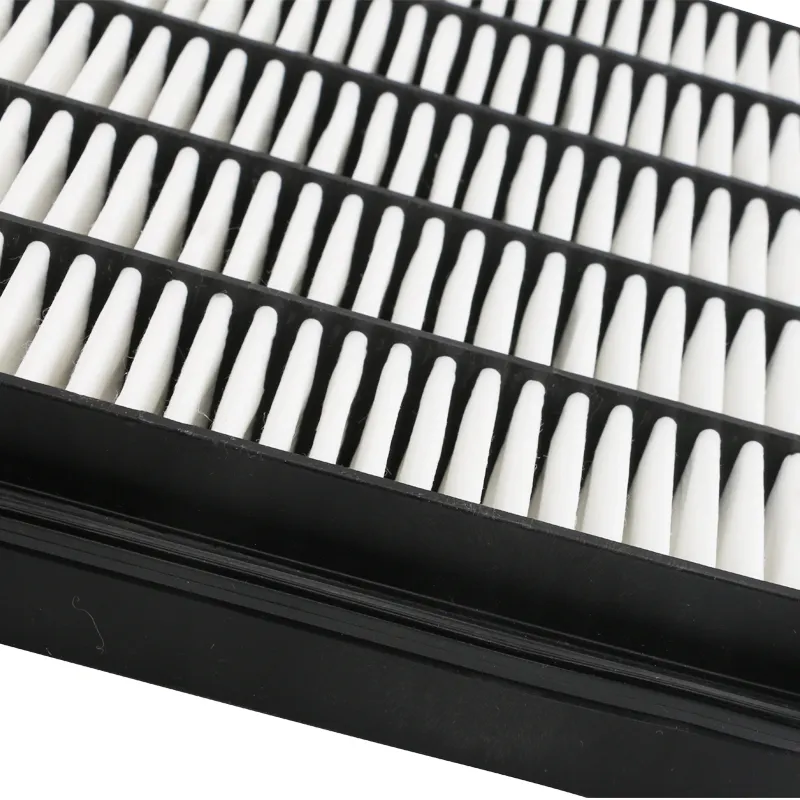
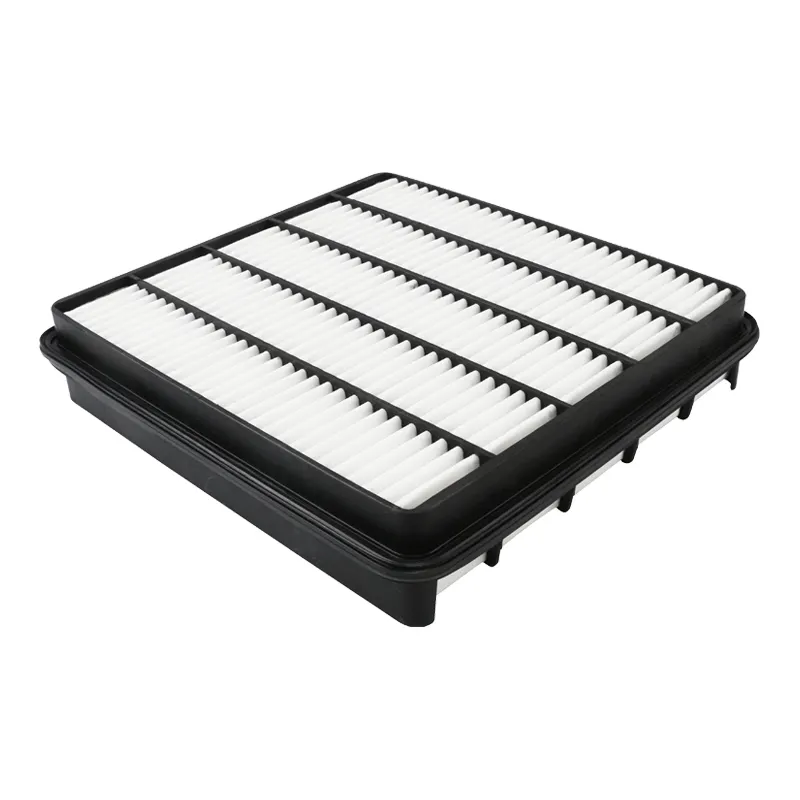
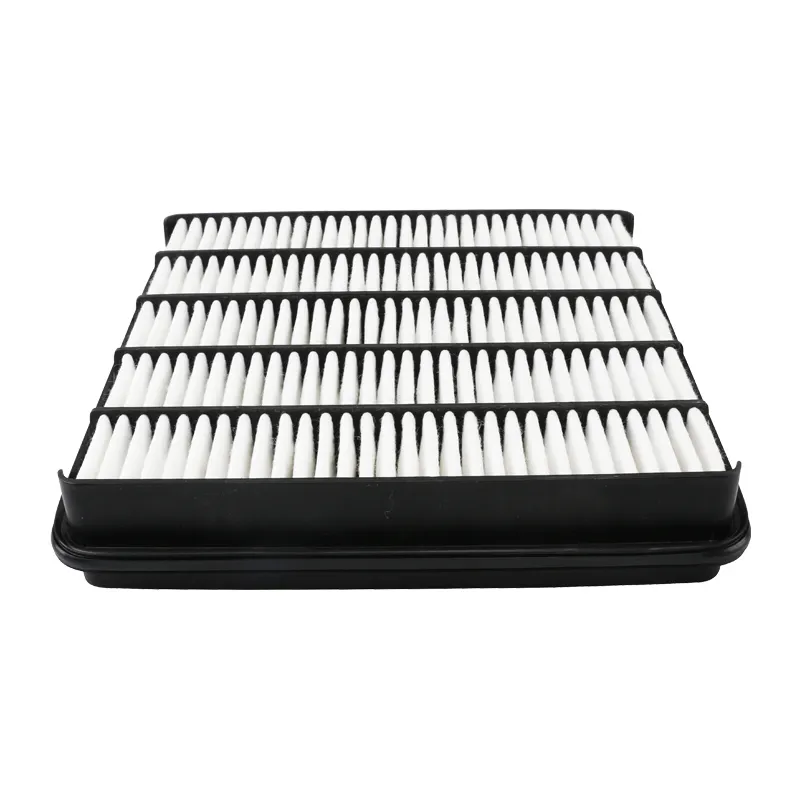
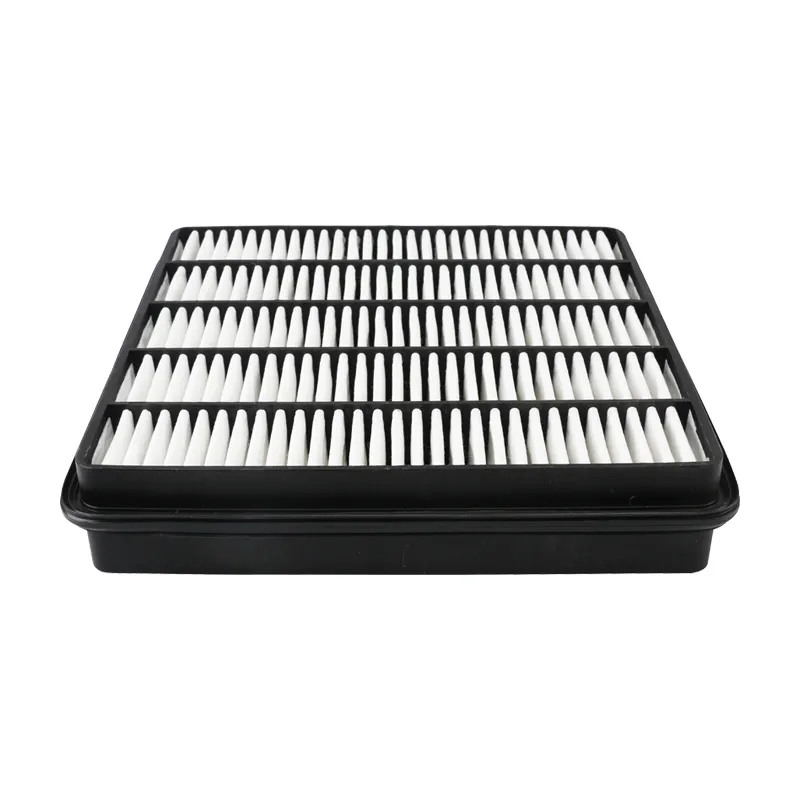
| Car Air Filter (OEM 17801-31090 / 17801-0P010) | Material: PP & non‑woven; Size: 352×166×60 mm; Services: OEM & ODM; Certificates: ISO9001:2015, TS16949; Custom logo MOQ ≈300 pcs; Custom package MOQ ≈1000 pcs; Delivery: within 30 days after deposit; Payment: T/T or L/C; Markets: Russia, U.S., Middle East, South America. |
Bottom line
Pick a antiskid tire with verified snow labeling, a compound aimed at your climate, and a vendor that can share real test curves—not just glossy tread photos. Rotate on schedule, watch pressures (cold drops are sneaky), and you’ll get the grip you paid for.
Authoritative references
-
Choosing the Right China BMW Cabin Air Filter for Optimal Vehicle Health
NewsFeb.24,2026
-
China Honda GX120 Air Filter Guide for Peak Engine Performance
NewsFeb.11,2026
-
China Ford Fiesta Cabin Air Filter Guide for Optimal Air Quality
NewsJan.30,2026
-
China Cabin Air Filter Ford Fusion A Comprehensive Filtration Guide
NewsJan.28,2026
-
Comprehensive Guide to China Air Filter Element Quality and Applications
NewsJan.28,2026
-
China Kia Forte Cabin Air Filter Guide for Optimal Vehicle Air Quality
NewsJan.27,2026