


Sep . 12, 2025 07:40 Back to list
Premium Car Air Filter | Engine Protection & Clean Air
Strategic Overview of Advanced Passenger Car Air Filtration
In the highly competitive automotive sector, the performance and longevity of internal combustion engines are directly influenced by the quality of air intake. A superior car air filter plays a pivotal role in protecting engine components from abrasive particles, ensuring optimal combustion efficiency, and contributing to overall vehicle performance and fuel economy. This comprehensive overview delves into the critical aspects of modern automotive air filtration, from advanced manufacturing processes to strategic application and emerging market trends.
For B2B decision-makers, understanding the technical nuances and operational advantages of high-quality filtration solutions is paramount for maintaining fleet health, enhancing vehicle reliability, and meeting stringent emissions regulations. Our focus herein is to provide an authoritative resource for procurement specialists, engineering teams, and service providers operating within the automotive manufacturing, aftermarket, and fleet management industries.
The Manufacturing Process of a High-Performance Car Air Filter
The production of a high-quality car air filter is a multi-stage process, demanding precision engineering and adherence to strict quality control standards. The objective is to create a filter medium that maximizes filtration efficiency while minimizing airflow restriction, thereby optimizing engine performance and extending service intervals.
1. Material Selection & Preparation
The foundation of an effective passenger car air filter lies in its filtration media. Common materials include cellulose paper, synthetic fibers (e.g., polyester, polypropylene), or a blend of both. These materials are chosen for their specific pore size, density, and pleatability. Advanced composite materials are increasingly used to achieve enhanced dust-holding capacity and prolonged service life. Raw materials undergo rigorous quality checks for consistency and structural integrity before processing.
2. Pleating & Forming
The selected media is precisely pleated using specialized machinery. Pleating increases the surface area available for filtration significantly within a compact volume, crucial for an efficient intake air filter. The pleat height, spacing, and count are meticulously controlled to ensure uniform airflow and optimal particulate capture. Automated pleating machines maintain consistent dimensions, which is vital for filter performance.
3. Curing & Stabilization
After pleating, the filter media may undergo a curing process, often involving heat treatment or resin impregnation, to stabilize the pleats and enhance their rigidity and moisture resistance. This prevents pleat collapse under varying operational pressures and humidity levels, maintaining consistent filtration performance throughout the filter's service life.
4. Frame & Sealing Integration
The pleated media is then securely bonded into a frame, typically made of plastic or metal, designed to fit precisely within the vehicle's air filter housing. A durable sealing gasket, often polyurethane, is molded onto the filter edges to prevent unfiltered air from bypassing the media. This ensures that 100% of the air entering the engine passes through the filter.
5. Quality Control & Testing
Every stage is subject to stringent quality control. Final products undergo comprehensive testing according to international standards such as ISO 5011 (Air filter for internal combustion engines and compressors – Performance testing) and SAE J726 (Air Cleaner Test Code). These tests evaluate initial efficiency, dust-holding capacity, pressure drop (airflow restriction), and filter burst strength. Manufacturers like us adhere to IATF 16949 for automotive quality management.
6. Packaging & Distribution
Finished filters are carefully packaged to prevent damage during transit and storage. For a global china car air filter supplier, efficient logistics and distribution networks are critical to ensure timely delivery to automotive assembly lines, aftermarket distributors, and service centers worldwide.
This meticulous process ensures that each car air filter not only meets but often exceeds OEM specifications, contributing to advantages such as enhanced engine longevity, improved fuel economy (energy saving by maintaining optimal air-fuel mixture), and reduced maintenance costs.
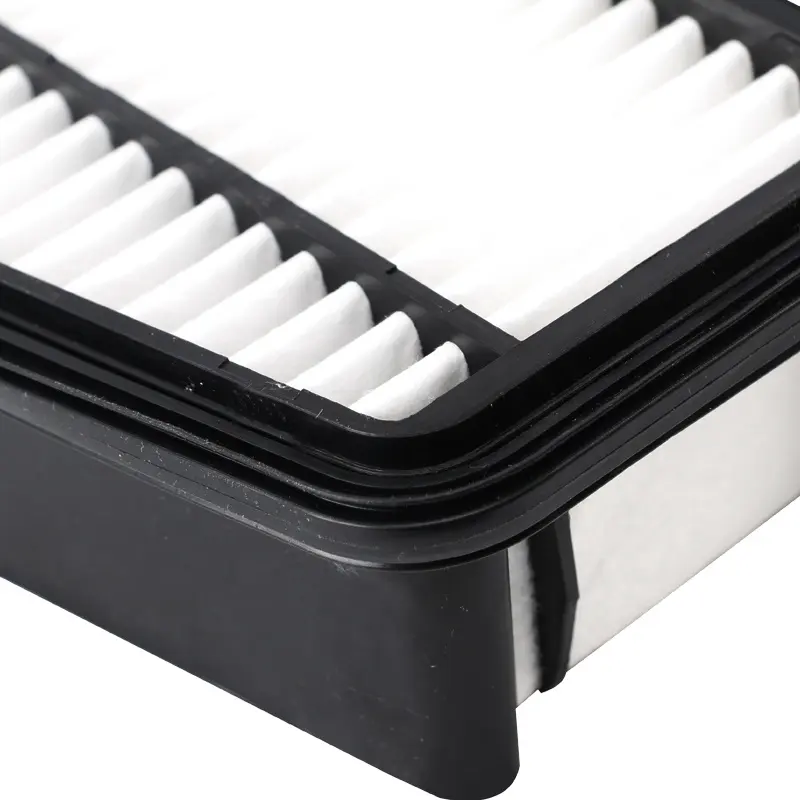
Figure 1: Precision Pleating for Optimal Filtration Surface Area.
Industry Trends and Market Dynamics for Automotive Air Filters
The automotive air filtration market is continuously evolving, driven by several key factors:
- ➤ Stricter Emissions Regulations: Governments worldwide are implementing more stringent emission standards (e.g., Euro 7, EPA Tier 3). This necessitates advanced filtration solutions that protect sensitive engine components (like mass airflow sensors) and ensure efficient combustion, reducing harmful pollutants.
- ➤ Demand for Extended Service Intervals: Fleet operators and private vehicle owners seek filters with longer service lives to reduce maintenance frequency and associated costs, pushing manufacturers towards higher dust-holding capacities and more durable media.
- ➤ Growth in Emerging Markets: Rapid automotive growth in regions like Asia-Pacific and Latin America, often characterized by challenging road conditions and higher dust levels, drives demand for robust and efficient car air filter solutions.
- ➤ Rise of Electric Vehicles (EVs): While EVs don't have internal combustion engines, the demand for cabin air filters (HVAC) remains strong and is evolving to filter even finer particles and odors. However, the core ICE intake air filter market, while adapting, still represents a significant segment.
- ➤ Smart Filtration Systems: Integration of sensors to monitor filter saturation and differential pressure is an emerging trend, enabling predictive maintenance and ensuring optimal filter replacement schedules, particularly for an air filter with regulator functionalities.
The global automotive air filter market size was valued at USD 5.7 billion in 2022 and is projected to grow at a CAGR of 4.2% from 2023 to 2030, reaching USD 7.8 billion by 2030 (Grand View Research). This sustained growth underscores the essential role of air filtration in vehicle performance and environmental compliance.
Technical Specifications and Performance Parameters
Selecting the appropriate car air filter requires a thorough understanding of its key technical parameters. These specifications directly correlate with the filter's ability to protect the engine and maintain optimal performance.
| Parameter | Description | Typical Value Range | Impact on Performance |
|---|---|---|---|
| Filtration Efficiency | Percentage of particles captured at a given size (e.g., 0.3 µm, 5 µm). Tested per ISO 5011. | 98.5% - 99.9% (for 5 µm particles) | Higher efficiency means superior engine protection against abrasive wear. |
| Dust Holding Capacity (DHC) | The amount of dust (grams) a filter can hold before reaching its terminal pressure drop. | 100 - 300 grams (dependent on filter size) | Directly influences service life; higher DHC means longer filter change intervals. |
| Initial Pressure Drop | Resistance to airflow across a clean filter. Measured in Pascals (Pa) or mmH2O. | Typically | Lower pressure drop allows better engine breathing, improving power and fuel economy. |
| Flow Rate (Airflow) | Volume of air (m³/h or CFM) that can pass through the filter at a specified pressure drop. | 200 - 1500 m³/h (vehicle dependent) | Ensures sufficient air supply for optimal engine combustion. |
| Media Type | Material composition of the filtration layer (e.g., Cellulose, Synthetic, Blended). | Cellulose, Synthetic Microfibers | Influences efficiency, DHC, and moisture resistance. Synthetics often offer superior performance. |
| Pleat Configuration | Density, height, and spacing of the filter pleats. | Variable, optimized for surface area. | Maximizes effective filtration area within confined space, impacting DHC and airflow. |
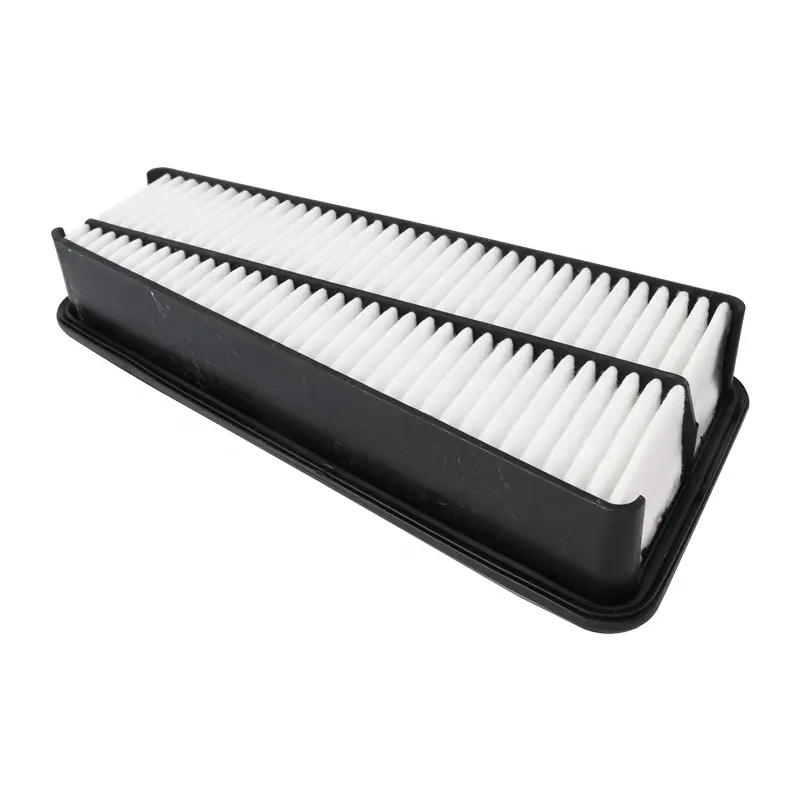
Figure 2: Advanced Filtration Media for Enhanced Particle Capture.
Application Scenarios and Technical Advantages
The application of high-performance car air filter units spans various segments of the automotive industry, each benefiting from specific technical advantages:
- ➤ Automotive Manufacturing (OEM): For original equipment manufacturers, selecting the right intake air filter is crucial for vehicle certification and meeting initial performance guarantees. Advantages include ensuring optimal engine protection from factory assembly through initial customer use, contributing to overall vehicle quality and brand reputation.
- ➤ Aftermarket & Service Centers: Providing high-quality replacement passenger car air filter options allows service centers to offer superior value to customers, ensuring continued engine performance and longevity post-sale. The technical advantage here is delivering filters that either match or exceed OEM specifications, often with enhanced features like higher DHC for extended maintenance intervals.
- ➤ Fleet Management: For commercial fleets, vehicle uptime and operating costs are critical. Advanced air filters reduce engine wear, prevent costly repairs, and improve fuel efficiency, directly contributing to "energy saving" for the fleet. Filters designed for dusty or harsh environments offer superior "corrosion resistance" to engine components by effectively removing abrasive particles and moisture from the air intake.
- ➤ Specialty Applications: Vehicles operating in extreme conditions, such as off-road, construction, or mining, require highly robust air filtration systems, often including an air filter with regulator to manage airflow precisely. These applications demand filters with exceptionally high dust-holding capacity and durability.
The tangible technical advantages translate into significant operational benefits:
- Extended Engine Life: Reduced ingress of abrasive particles minimizes wear on cylinder walls, piston rings, and bearings.
- Optimized Fuel Economy: Unrestricted airflow ensures the engine receives the optimal air-fuel mixture, preventing rich running conditions that waste fuel.
- Lower Emissions: Efficient combustion facilitated by clean air helps vehicles meet environmental regulations.
- Reduced Downtime: Fewer engine issues lead to increased vehicle availability and reduced maintenance costs for fleets.
Vendor Comparison: Key Differentiators in the Car Air Filter Market
When evaluating suppliers for car air filter solutions, B2B buyers must consider a range of factors beyond just price. Performance, reliability, adherence to standards, and logistical capabilities are critical.
| Feature/Criterion | Generic OEM Standard Filter | Premium Aftermarket Filter (e.g., Antfilter) | Budget Aftermarket Filter |
|---|---|---|---|
| Filtration Efficiency (5µm) | ≥ 98.5% | ≥ 99.5% (often synthetic media) | 85% - 95% (cellulose) |
| Dust Holding Capacity | Standard (e.g., 150g) | Enhanced (e.g., 200-250g) | Limited (e.g., |
| Initial Pressure Drop | Low (OEM spec) | Very Low (optimized airflow) | Potentially higher |
| Media Material | Cellulose or blended | Advanced Synthetic or Hybrid | Basic Cellulose |
| Frame & Sealing Quality | Meets OEM; durable plastic/rubber | Exceeds OEM; robust, high-grade polymers | Variable; prone to leaks/distortion |
| Certifications | ISO 9001, relevant auto standards | IATF 16949, ISO 5011, SAE J726 | Limited or unclear |
| Service Life Expectancy | Standard (e.g., 15,000 km) | Extended (e.g., 20,000-25,000 km) | Shorter (e.g., 10,000 km) |
A key differentiator for a reputable china car air filter supplier like Antfilter is the ability to offer products that consistently achieve premium aftermarket performance, often leveraging advanced manufacturing techniques and strict quality control protocols that align with global automotive standards like IATF 16949.
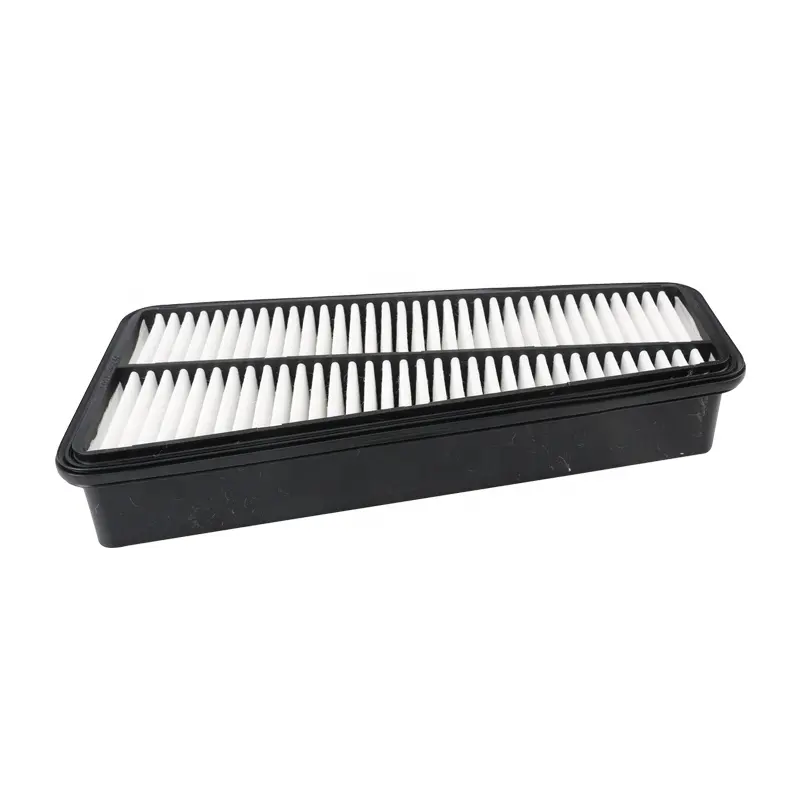
Figure 3: Cross-section highlighting superior pleat stability and media integrity.
Customized Solutions and Application Case Studies
Recognizing that standard solutions may not always meet unique operational demands, leading manufacturers offer customized car air filter designs. This includes tailoring filter dimensions, media specifications, and frame materials to specific engine requirements or environmental challenges.
Customization Capabilities:
- ➤ Media Blend Optimization: Developing proprietary media blends for enhanced dust-holding capacity in arid, dusty regions or for improved water resistance in high-humidity environments.
- ➤ Dimension & Form-Factor Adaptations: Engineering filters to fit non-standard air intake systems, prevalent in highly specialized or legacy vehicles.
- ➤ Integration with Sensors: Designing filters compatible with advanced engine management systems, including those that incorporate differential pressure sensors for real-time monitoring, often found in an air filter with regulator functionality for dynamic air intake management.
Application Case Study: Fleet Optimization in Desert Environments
A major logistics company operating a fleet of 500 delivery vehicles in a notoriously dusty Middle Eastern region faced significant challenges with premature engine wear and frequent air filter replacements. Standard OEM filters had a service life of approximately 8,000 km before reaching terminal pressure drop, leading to high maintenance costs and vehicle downtime.
Working with a specialized filtration supplier, a custom intake air filter was developed. This filter utilized a multi-layered synthetic media with an enhanced dust-holding capacity, specifically engineered to withstand fine sand and dust particles common in desert conditions. The new design also featured a more robust, impact-resistant frame and a high-grade polyurethane seal.
Results: Post-implementation, the fleet experienced an average 65% increase in air filter service life, extending replacement intervals to 13,000 km. Engine diagnostics revealed a 15% reduction in particulate matter bypass, directly correlating to a significant decrease in engine component wear. The overall fleet operational cost decreased by 12% due to fewer filter changes and reduced engine repairs. This demonstrates the critical value of tailored filtration solutions in challenging operational contexts.
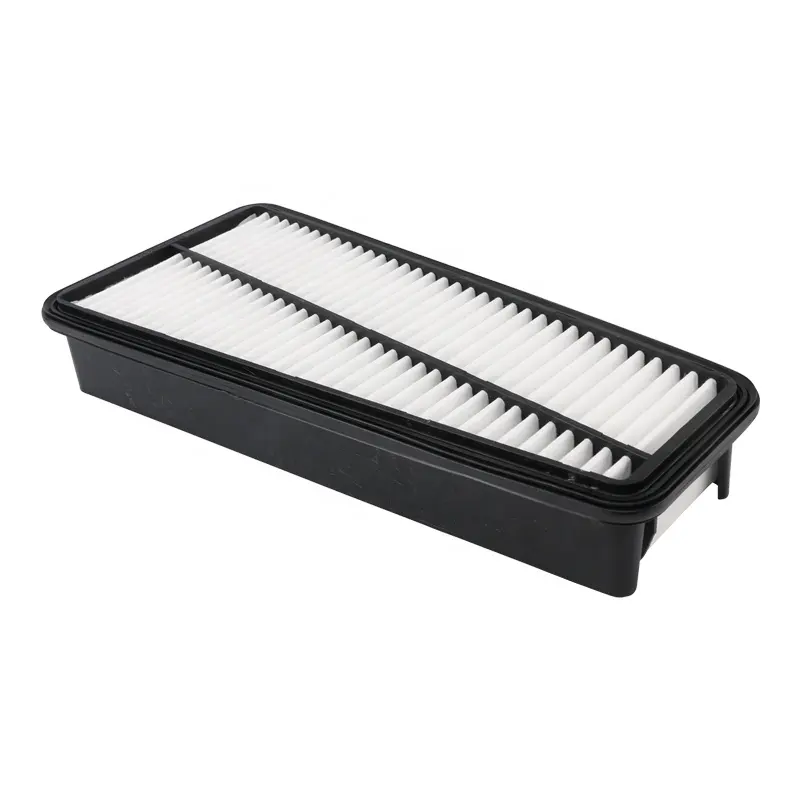
Figure 4: A robust filter designed for challenging environments, offering superior protection.
Frequently Asked Questions (FAQ)
Q1: How often should a car air filter be replaced?
A1: Replacement intervals vary depending on the vehicle manufacturer's recommendations, driving conditions, and the filter's quality. Typically, it ranges from 15,000 km to 30,000 km. For vehicles operating in dusty or polluted environments, more frequent checks and replacements are advisable. Premium filters with higher dust-holding capacity may offer extended service life.
Q2: What is the difference between an OEM and an aftermarket passenger car air filter?
A2: OEM (Original Equipment Manufacturer) filters are the ones originally installed in the vehicle by the car maker. Aftermarket filters are produced by other companies. High-quality aftermarket filters, like ours, are designed to meet or exceed OEM specifications, often offering enhanced performance (e.g., better filtration efficiency, higher dust-holding capacity) at a competitive price.
Q3: Can a dirty intake air filter affect fuel economy?
A3: Yes, absolutely. A clogged air filter restricts airflow to the engine, forcing it to work harder and potentially leading to an imbalanced air-fuel mixture. This can result in decreased engine performance, reduced acceleration, and a noticeable drop in fuel efficiency. Regular replacement ensures optimal engine breathing and fuel economy.
Q4: What quality standards should I look for in a china car air filter supplier?
A4: Look for suppliers who adhere to international quality management systems like IATF 16949 (specifically for automotive industry), ISO 9001, and perform product testing according to standards such as ISO 5011 and SAE J726. These certifications indicate a commitment to consistent quality and performance.
Logistics & Customer Support
We understand the critical importance of timely delivery and robust support for our B2B partners.
- ➤ Lead Time & Fulfillment: Standard orders for our core car air filter range typically have a lead time of 15-30 days, subject to order volume and specific product requirements. We maintain strategic inventory levels for high-demand items to facilitate quicker turnaround. Expedited shipping options are available upon request. For customized solutions, lead times will be provided after detailed technical consultation and design finalization.
- ➤ Warranty Commitment: All our filters come with a comprehensive 12-month or 25,000 km (whichever comes first) warranty against manufacturing defects, assuming proper installation and normal operating conditions. Our commitment is to provide products that meet the highest standards of quality and reliability.
- ➤ Customer Support: Our dedicated B2B support team provides technical assistance, order tracking, and after-sales service. We offer multi-channel communication (email, phone, dedicated account managers) to ensure prompt and efficient resolution of any queries or concerns. Training on product installation and maintenance can also be provided for large-volume clients.
Conclusion
The role of a high-quality car air filter in modern automotive engineering cannot be overstated. It is a critical component for engine protection, performance optimization, and environmental compliance. For B2B stakeholders, partnering with a supplier committed to stringent quality, advanced manufacturing, and responsive customer service is essential for achieving long-term operational excellence and cost efficiency. Investing in superior air filtration directly translates into enhanced vehicle longevity, reduced maintenance, and improved overall fleet performance.
Authoritative References
- ISO 5011:2014, "Inlet air cleaning equipment for internal combustion engines and compressors – Performance testing." International Organization for Standardization.
- SAE J726:2020, "Air Cleaner Test Code." SAE International.
- IATF 16949:2016, "Quality management systems – Particular requirements for the application of ISO 9001:2015 for automotive production and relevant service parts organizations." International Automotive Task Force.
- Grand View Research. "Automotive Air Filter Market Size, Share & Trends Analysis Report By Filter Media, By Vehicle Type, By Sales Channel, By Region, And Segment Forecasts, 2023 - 2030."
- Journal of Engineering for Gas Turbines and Power, American Society of Mechanical Engineers. "Impact of Air Filtration Efficiency on Engine Performance and Durability."
-
Choosing the Right China BMW Cabin Air Filter for Optimal Vehicle Health
NewsFeb.24,2026
-
China Honda GX120 Air Filter Guide for Peak Engine Performance
NewsFeb.11,2026
-
China Ford Fiesta Cabin Air Filter Guide for Optimal Air Quality
NewsJan.30,2026
-
China Cabin Air Filter Ford Fusion A Comprehensive Filtration Guide
NewsJan.28,2026
-
Comprehensive Guide to China Air Filter Element Quality and Applications
NewsJan.28,2026
-
China Kia Forte Cabin Air Filter Guide for Optimal Vehicle Air Quality
NewsJan.27,2026