


Sep . 22, 2025 11:45 Back to list
Premium Fuel Filter: Optimal Engine Protection & Performance
The Critical Role of Advanced Fuel Filtration in B2B Operations
In high-stakes B2B environments, particularly across industrial, automotive, and power generation sectors, the integrity of fuel systems is paramount. Contaminated fuel can lead to catastrophic equipment failure, unscheduled downtime, and significant operational costs. This makes the selection and deployment of a robust fuel filter an absolutely critical decision for procurement managers and engineering teams. Modern engines, especially diesel variants, operate with increasingly tighter tolerances and require exceptionally clean fuel to maintain peak performance, extend service life, and meet stringent emission regulations.
Our focus today is on advanced filtration solutions, exemplified by products like the Fuel Filter Element 23390-78220, 23304-EV052, 23304-78225, and 23390-78221 Diesel Car Parts. These components are engineered to deliver superior protection against particulates, water, and other contaminants that can severely compromise engine health and operational efficiency.
Industry Trends Shaping Fuel Filtration Technology
The landscape of fuel filter technology is constantly evolving, driven by several key industry trends:
- Stricter Emission Standards: Global regulations (e.g., Euro VI, EPA Tier 4) demand cleaner combustion, which necessitates ultra-fine filtration to protect sensitive fuel injectors and emission control systems. This drives the need for car fuel filter innovations.
- Adoption of Alternative Fuels: The increasing use of biodiesel (B20, B100) and other alternative fuels presents new challenges. These fuels can accelerate microbial growth, increase water content, and have different solvency properties that affect seal materials and filtration media, requiring specialized fuel oil filter designs.
- Extended Service Intervals: To reduce operational costs and maximize uptime, equipment manufacturers and fleet operators demand fuel filter solutions with significantly longer service lives, often requiring multi-stage filtration and advanced media.
- Integration of Smart Technologies: The rise of IoT in industrial equipment is leading to fuel filter systems with integrated sensors for real-time monitoring of pressure differential, water accumulation, and filter life, enabling predictive maintenance.
- Focus on Sustainability: Manufacturers are exploring recyclable materials and designs that minimize waste, aligning with broader corporate sustainability initiatives.
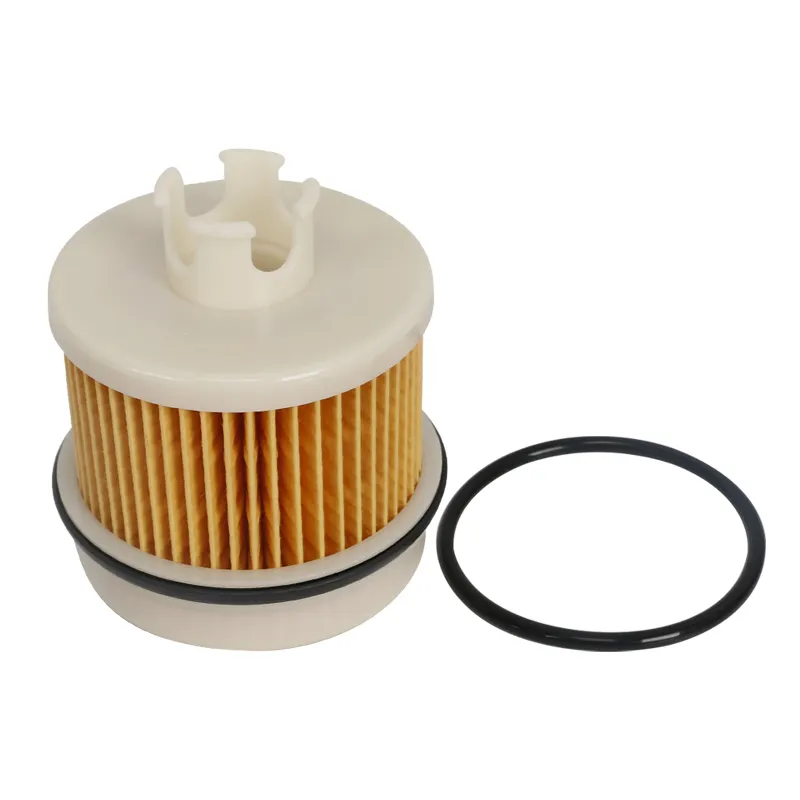
Figure 1: High-efficiency diesel fuel filter element.
Technical Specifications and Operating Principles
A modern fuel filter is a sophisticated engineering component designed to protect fuel injection systems from damaging contaminants. Its primary function is to remove particulates (dirt, rust, debris) and water from the fuel supply.
Core Components and Filtration Mechanisms:
- Filter Media: Typically made from synthetic fibers (e.g., fiberglass, cellulose blends) or pleated paper. Advanced filters use multi-layer media for enhanced efficiency and dirt holding capacity. Filtration occurs through mechanical straining, direct interception, impaction, and diffusion.
- Housing: Can be metal (steel, aluminum) for robust applications or high-strength plastics, designed to withstand fuel pressures and environmental conditions. Spin on fuel filter designs integrate the housing with the element for easy replacement.
- Water Separator: Essential for diesel applications, this component uses hydrophobic media or coalescing technology to separate water droplets from fuel. Separated water collects in a bowl, often equipped with a sensor for drainage.
- Seals and Gaskets: Manufactured from materials like Viton or NBR, selected for their resistance to various fuel types and temperatures.
- Bypass Valve: Some filters include a bypass valve that opens under excessive pressure differential (e.g., clogged filter) to ensure uninterrupted fuel flow, albeit with unfiltered fuel.
Product Specification Table: Fuel Filter Elements 23390-78220 Series
| Parameter | Specification | Notes |
|---|---|---|
| Part Numbers | 23390-78220, 23304-EV052, 23304-78225, 23390-78221 | Interchangeable series for specific diesel applications |
| Filter Type | Element Type Diesel Fuel Filter | Designed for canister housings |
| Filtration Efficiency | Beta Ratio β5 ≥ 200 (99.5% efficiency at 5 microns) | ISO 16889 compliant, crucial for common rail systems |
| Water Separation Efficiency | >95% (free water), >90% (emulsified water) | Ensures water-free fuel delivery, preventing corrosion and microbial growth |
| Dirt Holding Capacity | 15-25 grams (ISO 4548-12 standard) | Indicates service life under standard contamination levels |
| Operating Temperature Range | -40°C to +120°C | Suitable for diverse climatic conditions |
| Media Material | Multi-layer synthetic media with cellulose support | Optimized for fine particulate and water separation |
| Housing/End Cap Material | Corrosion-resistant treated steel/PA66 engineering plastic | Durability and compatibility with various fuel types |
The Advanced Manufacturing Process of a Fuel Filter
The production of a high-performance fuel filter involves a meticulous, multi-stage manufacturing process designed to ensure precision, durability, and consistent filtration performance.
Process Flow Overview:
- Material Procurement & Inspection: Sourcing of high-grade synthetic media, corrosion-resistant steel or advanced engineering plastics (e.g., for spin on fuel filter housings). All incoming materials undergo rigorous quality checks to meet ISO standards.
- Media Pleating & Forming: The flat filter media is precisely pleated to maximize surface area within a compact design. Automated pleating machines ensure uniform pleat height and spacing, critical for consistent flow and dirt holding capacity.
- Component Manufacturing (Casting/Forging/CNC Machining): For metal components like end caps, central tubes, and housings (especially for fuel oil filter applications), processes like precision casting, forging, or CNC machining are employed to achieve exact dimensions and structural integrity.
- Element Assembly & Sealing: The pleated media is formed into its cylindrical shape, and end caps are securely attached using advanced bonding agents or ultrasonic welding. This ensures no bypass leakage, a critical factor for filtration efficiency.
- Water Separator Integration: If applicable, the specialized water separating media is integrated into the design, often with hydrophobic treatments or coalescing layers.
- Housing Integration (for Spin-On/Cartridge Filters): For spin on fuel filter types, the filter element is housed within its metallic or plastic casing, often sealed with precision-engineered O-rings.
-
Quality Control & Testing: Each fuel filter undergoes comprehensive testing:
- Bubble point test for media integrity (ISO 2942).
- Pressure drop testing.
- Efficiency and dirt holding capacity testing (ISO 16889, ISO 4548-12 for full-flow elements).
- Water separation performance (SAE J1488).
- Vibration and fatigue testing.
- Final Assembly & Packaging: Filters are carefully packaged to prevent contamination during transit and storage.
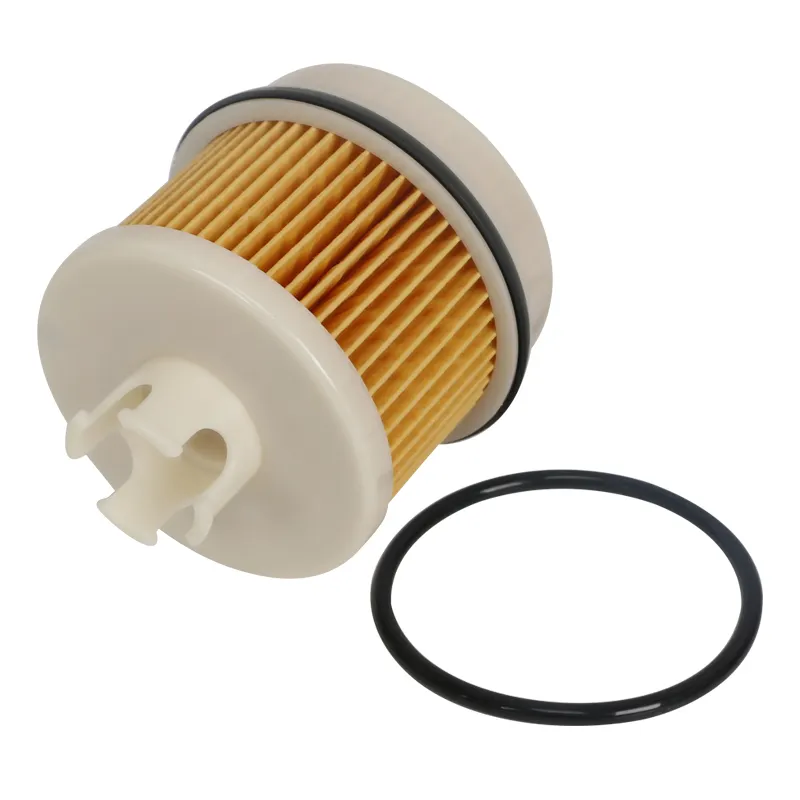
Figure 2: Internal components of a premium fuel filter showing pleated media and water separation layers.
The rigorous adherence to international testing standards like ISO 16889 (Hydraulic fluid power – Filters – Multi-pass method for evaluating filtration performance), ISO 4548-12 (Methods of test for full-flow lubricating oil filters for internal combustion engines), and SAE J1488 (Test Methods for Fuel Filter Efficiency) ensures that each fuel filter meets or exceeds OEM requirements for service life and performance. For instance, our filters are designed for extended service intervals, often exceeding 50,000 km or 1,000 operating hours in typical diesel engine applications, translating to significant energy saving through reduced downtime and improved engine efficiency. The use of advanced corrosion-resistant materials throughout the design also ensures longevity even with aggressive fuel types or in harsh operating environments.
Application Scenarios and Target Industries
The versatility and robust performance of modern fuel filter solutions make them indispensable across a wide range of industries:
- Heavy-Duty Diesel Vehicles: Trucks, buses, construction equipment (excavators, loaders), agricultural machinery (tractors, harvesters). Our car fuel filter series is crucial here, protecting high-pressure common rail (HPCR) systems.
- Power Generation: Diesel generator sets, marine engines for vessels, offshore platforms. Reliable fuel oil filter systems ensure continuous power supply and prevent costly outages.
- Mining and Quarrying: Large-scale mining trucks, excavators, and drilling equipment operating in highly contaminated and abrasive environments. The durability and efficiency of the fuel filter are paramount.
- Oil & Gas (Petrochemical): Fuel transfer and storage systems, refinery operations, and pipeline equipment. Specialized fuel oil filter designs are often required to handle varying crude and refined product characteristics.
- Water Supply & Drainage: Diesel pumps and auxiliary power units in municipal water treatment plants and flood control systems.
In these scenarios, advanced fuel filter solutions offer distinct advantages: improved energy saving through optimized engine combustion, superior corrosion resistance against water and aggressive fuel components, and extended component life for injectors, pumps, and engine cylinders, directly reducing maintenance costs and increasing asset utilization.
Technical Advantages of Our Fuel Filtration Solutions
Our range of fuel filter elements, including the 23390-78220 series, offers significant technical advantages that translate into tangible operational benefits for B2B clients:
- Multi-Layered Filtration Media: Utilizing proprietary blends of synthetic and natural fibers, our filters achieve superior filtration efficiency (e.g., β5 ≥ 200), capturing even the finest particulate matter that can damage delicate fuel injection components. This also extends the life of the car fuel filter itself.
- Exceptional Water Separation: Advanced coalescing and hydrophobic media actively repel and separate water from fuel, preventing rust, microbial growth, and injector tip damage. This is especially vital for fuel oil filter applications where condensation or contaminated bulk fuel is a risk.
- High Dirt Holding Capacity: The optimized pleat design and media depth ensure a large capacity for retaining contaminants, allowing for extended service intervals and reducing the frequency of fuel filter changes.
- Robust Construction: Precision-engineered housings and components are designed for high-pressure systems and harsh operating conditions, ensuring structural integrity and leak-free operation throughout the fuel filter's lifespan.
- Low Pressure Drop: Our designs minimize restriction to fuel flow, ensuring optimal fuel delivery to the engine without compromising performance or fuel economy.
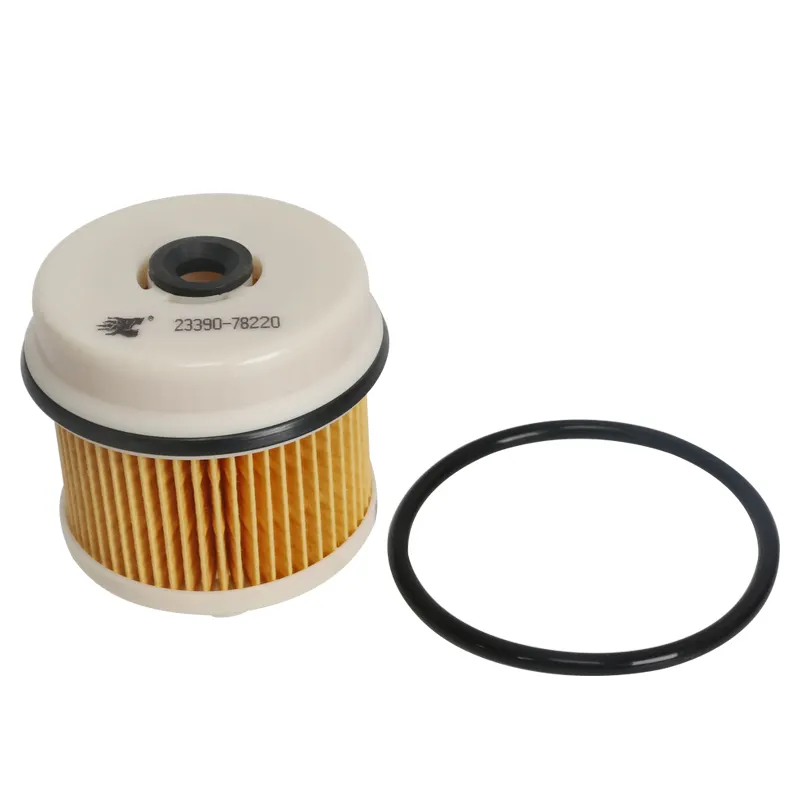
Figure 3: A durable fuel filter designed for heavy-duty applications.
Vendor Comparison: Why Choose Advanced Filtration?
When selecting a fuel filter supplier, B2B decision-makers weigh factors beyond just initial cost. Long-term operational savings, reliability, and technical support are paramount.
Comparison Table: Standard vs. Advanced Fuel Filters
| Feature/Parameter | Standard Fuel Filter | Advanced Fuel Filter (e.g., Antfilter Series) |
|---|---|---|
| Filtration Efficiency | Typically 70-85% at 10 microns (Beta ratio β10 ≥ 10) | β5 ≥ 200 (99.5% at 5 microns), some designs β3 ≥ 1000 |
| Water Separation | Limited, often passive or negligible | >95% free water, >90% emulsified water (active coalescing/hydrophobic layers) |
| Dirt Holding Capacity | Low to moderate (5-10 grams) | High (15-25+ grams), extended service life |
| Media Material | Single-layer cellulose paper | Multi-layer synthetic, composite, or proprietary blend media |
| Pressure Drop | Can increase significantly over life | Optimized for consistently low pressure drop |
| Engine Protection | Basic protection, higher risk of injector/pump wear | Superior protection, significantly extends life of HPCR systems |
| Total Cost of Ownership | Lower initial cost, higher maintenance and repair costs | Higher initial cost, significantly lower long-term TCO due to reduced downtime and extended component life |
Customized Solutions and OEM Partnerships
Recognizing that no two applications are identical, we offer extensive capabilities for customized fuel filter solutions. Our engineering teams work closely with OEMs and large fleet operators to design and manufacture filters tailored to specific engine requirements, fuel types, operating environments, and service life expectations.
This includes custom media formulations for specific filtration needs (e.g., enhanced biodiesel compatibility), specialized housing materials for extreme temperatures or corrosive conditions, and unique form factors for integration into existing engine designs. Our flexibility in design and manufacturing processes, including advanced CNC machining for precision components, allows us to meet complex technical challenges and deliver optimal performance.
Application Case Studies & Customer Experience
Our commitment to quality and performance is reflected in the successes of our clients across various sectors.
Case Study 1: Heavy Construction Fleet Optimization
A major construction firm operating a fleet of over 200 diesel excavators and loaders faced frequent fuel injector failures and premature pump wear due to fuel contamination. After transitioning to our high-efficiency fuel filter elements (a custom variant of the 23390 series for heavy machinery), they observed:
- A 40% reduction in fuel injector replacement costs over 12 months.
- Extension of engine service intervals by 20%.
- Significantly reduced unplanned downtime, leading to an estimated 15% increase in operational productivity.
Case Study 2: Marine Vessel Engine Protection
A leading marine transport company experienced persistent issues with water in fuel leading to engine corrosion and microbial growth in their vessel engines. Implementing our specialized fuel oil filter with enhanced water separation capabilities resulted in:
- Elimination of water-related engine damage incidents.
- Noticeable improvement in fuel cleanliness, verified by regular fuel sampling.
- Positive feedback from engine room personnel regarding ease of spin on fuel filter maintenance.
These examples underscore our expertise and experience in delivering reliable filtration solutions that directly impact our clients' bottom line. We have cultivated long-term partnerships with clients across various sectors for over two decades, providing consistently high-quality filtration products.
Ensuring Trustworthiness: Certifications, Support, and Warranty
Authoritative Certifications:
Our manufacturing facilities and processes adhere to the highest international quality standards, including ISO 9001 for quality management systems and IATF 16949 for automotive quality management. These certifications, alongside adherence to specific industry standards like those from ISO and SAE mentioned earlier, provide a bedrock of authoritativeness for our products and processes. Each fuel filter undergoes rigorous testing to meet or exceed OEM specifications.
Frequently Asked Questions (FAQ):
Q1: How often should a diesel fuel filter be replaced?
A1: Replacement intervals vary depending on engine type, operating conditions, and fuel quality. Typically, for heavy-duty applications, it ranges from 250 to 1,000 engine hours or 25,000 to 50,000 kilometers. We recommend adhering to the OEM's specified maintenance schedule or monitoring filter pressure differential for optimal replacement timing.
Q2: What is the significance of water separation in a fuel filter?
A2: Water in diesel fuel is highly detrimental. It can lead to corrosion in fuel system components, promote microbial growth ("diesel bug"), and cause cavitation damage to fuel injectors and pumps. Effective water separation is crucial for prolonging engine life and preventing costly repairs.
Q3: Can your fuel filters be used with biodiesel blends?
A3: Yes, our advanced fuel filter media and sealing materials are specifically engineered to be compatible with various biodiesel blends (e.g., B20, B100), resisting potential degradation and maintaining filtration performance.
Lead Time and Fulfillment:
We maintain robust inventory levels for our standard fuel filter products, ensuring prompt dispatch within 3-5 business days for common orders. For customized solutions or large-volume OEM orders, lead times are discussed and confirmed during the quotation process, typically ranging from 4-8 weeks, depending on complexity and material sourcing. Our logistics network supports global delivery, ensuring timely fulfillment to meet B2B operational demands.
Warranty Commitments:
All our fuel filter products come with a standard 12-month or 20,000-kilometer (whichever comes first) warranty against manufacturing defects, underscoring our confidence in product quality and reliability. Specific OEM agreements may include extended warranty periods.
Customer Support:
Our dedicated technical support team is available to assist with product selection, installation guidance, troubleshooting, and custom filtration solution development. Clients can reach us via phone, email, or through our dedicated B2B portal for expert assistance. We are committed to providing unparalleled after-sales support to ensure continuous operational efficiency for our partners.
Conclusion
The advanced fuel filter is far more than a simple component; it is a critical investment in the longevity, efficiency, and reliability of high-value industrial and automotive assets. By prioritizing cutting-edge filtration technology, B2B enterprises can significantly reduce operational costs, minimize environmental impact, and enhance overall productivity. Our commitment to innovation, stringent quality control, and comprehensive customer support makes us a trusted partner in addressing the complex challenges of fuel contamination across diverse industries.
References:
- ISO 16889: Hydraulic fluid power – Filters – Multi-pass method for evaluating filtration performance of a filter element. International Organization for Standardization.
- ISO 4548-12: Methods of test for full-flow lubricating oil filters for internal combustion engines – Part 12: Filtration efficiency using particle counting, and life test using a standard contaminant. International Organization for Standardization.
- SAE J1488: Test Methods for Fuel Filter Efficiency – Test procedures for evaluating the efficiency of fuel filters used in diesel engines, focusing on particle removal and water separation. Society of Automotive Engineers.
- EPA Tier 4 Emission Standards: Regulations set by the U.S. Environmental Protection Agency for non-road diesel engines, driving demand for cleaner fuel and advanced filtration.
- National Renewable Energy Laboratory (NREL): Research and data on the impact of biodiesel on fuel systems and filtration requirements.
-
Choosing the Right China BMW Cabin Air Filter for Optimal Vehicle Health
NewsFeb.24,2026
-
China Honda GX120 Air Filter Guide for Peak Engine Performance
NewsFeb.11,2026
-
China Ford Fiesta Cabin Air Filter Guide for Optimal Air Quality
NewsJan.30,2026
-
China Cabin Air Filter Ford Fusion A Comprehensive Filtration Guide
NewsJan.28,2026
-
Comprehensive Guide to China Air Filter Element Quality and Applications
NewsJan.28,2026
-
China Kia Forte Cabin Air Filter Guide for Optimal Vehicle Air Quality
NewsJan.27,2026