

Sep . 10, 2025 08:20 Back to list
Super Tech Cabin Air Filter: Premium Carbon for Clean Air
Advanced Filtration for Modern Vehicles: The Rise of Super Tech Cabin Air Filters
In today's automotive landscape, maintaining pristine cabin air quality is no longer a luxury but a fundamental expectation for vehicle occupants. As urban pollution escalates and awareness of airborne allergens grows, the demand for sophisticated filtration solutions has surged. This drives the innovation behind products like the super tech cabin air filter, engineered to provide unparalleled protection against a spectrum of harmful particulates and gases. These advanced filters are becoming an indispensable component in modern passenger cars, addressing critical environmental and health concerns.
The industry is currently witnessing a significant trend towards multi-layered, highly efficient filtration media, often incorporating activated carbon and electrostatic properties. This evolution is particularly crucial for passenger car cabin filter systems, as drivers and passengers spend increasing amounts of time in their vehicles, making the interior air quality a direct determinant of comfort and well-being. Furthermore, the burgeoning electric vehicle (EV) market places even greater emphasis on quiet, clean cabin environments, propelling the development of quieter, more efficient filtration systems. The transition from basic particulate filters to comprehensive solutions that neutralize odors, volatile organic compounds (VOCs), and ultra-fine particles is now a standard expectation, redefining what an automobile cabin filter should achieve.
Technical Specifications & Product Deep Dive: Mazda CX-3 Compatibility
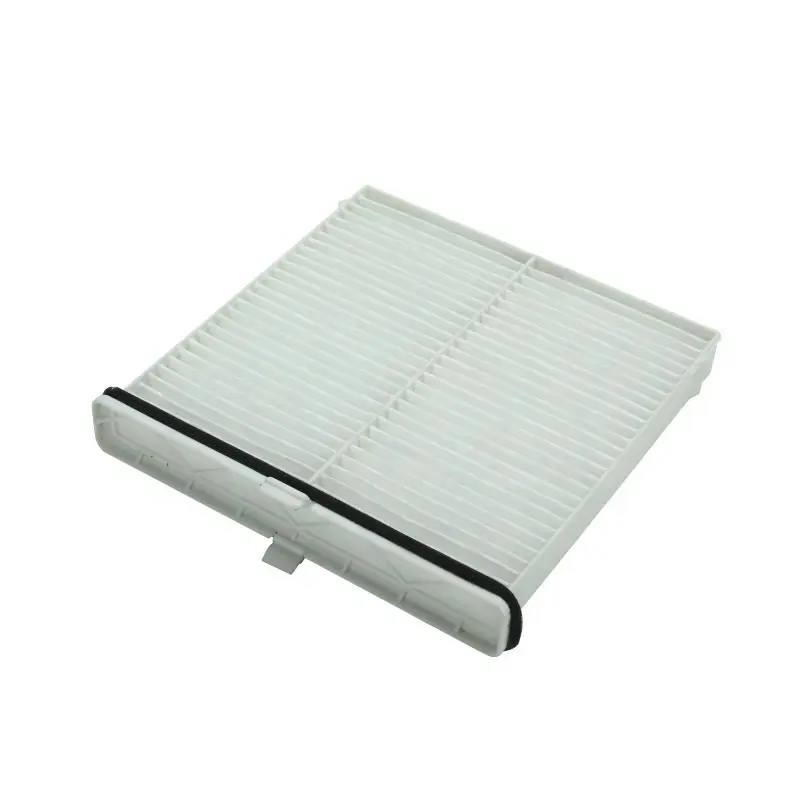
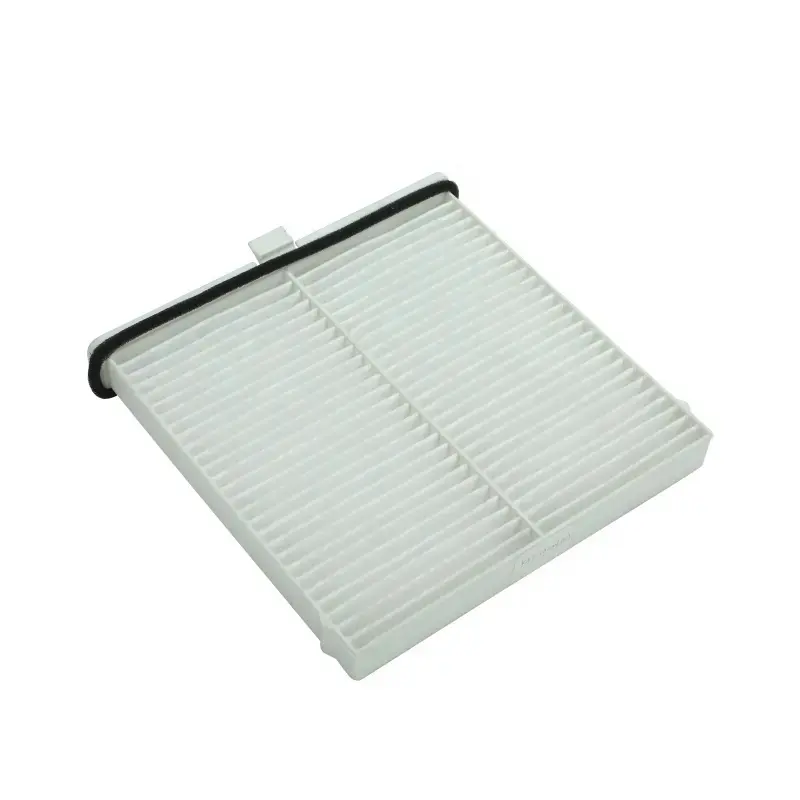
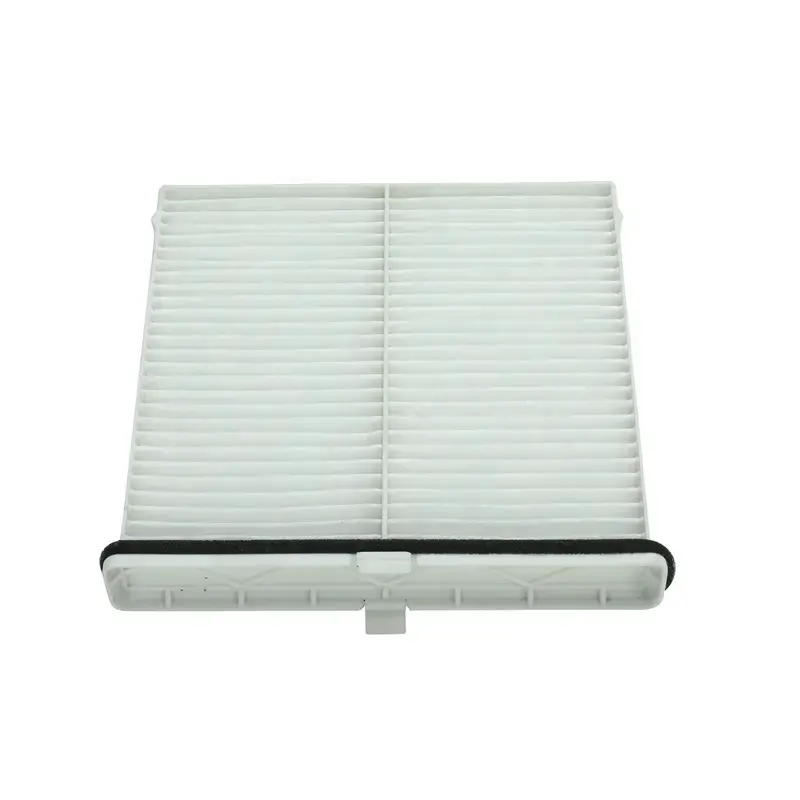
Understanding the meticulous engineering behind a super tech cabin air filter is crucial for automotive professionals. These components are designed with precision to integrate seamlessly into specific vehicle models while delivering superior performance. Our featured product, the air conditioner cabin filter DB9L-61-J6X BDGF-61-J6X for Mazda CX-3, exemplifies this dedication to technical excellence.
This particular filter employs a multi-stage filtration strategy. The initial layer typically comprises a non-woven synthetic pre-filter that captures larger particulates such as dust, pollen, and debris. This extends the life of subsequent, finer filtration layers. The core of its advanced capability lies in a specialized activated carbon layer. This carbon cabin filter component is critical for adsorbing harmful gases, odors, and VOCs that traditional particulate filters cannot address. Finally, a high-efficiency particulate air (HEPA-grade equivalent) layer captures microscopic particles down to PM2.5, including bacteria, mold spores, and fine dust, ensuring an exceptionally clean airflow into the cabin.
Product Specifications: Air Conditioner Cabin Filter DB9L-61-J6X BDGF-61-J6X for Mazda CX-3
| Parameter | Specification |
|---|---|
| Product Model | DB9L-61-J6X / BDGF-61-J6X |
| Application Vehicle | Mazda CX-3 |
| Filter Type | Multi-layer Particulate & Activated Carbon |
| Filtration Efficiency | >99% for PM2.5, >95% for 0.3 micron particles |
| Odor Adsorption Rate | >80% (e.g., SO2, NOx, Formaldehyde) |
| Material Composition | Non-woven fabric, Electrostatic melt-blown layer, Activated carbon layer |
| Service Life | 10,000 - 15,000 miles or 12 months (whichever comes first, depending on driving conditions) |
| OEM Part Numbers | DB9L-61-J6X, BDGF-61-J6X |
| Testing Standards | ISO 9001, IATF 16949 (manufacturing process), GB/T 18883 (air quality assessment) |
Manufacturing Process Flow for Super Tech Cabin Air Filters
The production of a super tech cabin air filter is a highly precise, multi-stage operation that guarantees consistent quality and performance. Our manufacturing process adheres to stringent international standards, including ISO 9001 for quality management and IATF 16949 for automotive quality systems.
Key Stages:
- Material Sourcing & Quality Control: Raw materials, including non-woven synthetic fibers, activated carbon granules, and adhesive resins, are sourced from certified suppliers. Each batch undergoes rigorous testing for consistency, porosity, and adsorption capacity to ensure compliance with our strict specifications.
-
Media Layer Preparation:
- Pre-filter Layer: Synthetic fibers are processed into a uniform, robust non-woven mat, designed for optimal airflow and initial particulate capture.
- Activated Carbon Impregnation: High-purity activated carbon is finely integrated into a carrier layer or directly onto the filter media using specialized binding agents to maximize surface area for gas adsorption. This stage is critical for the effectiveness of a carbon cabin filter.
- Electrostatic Melt-Blown Layer: Advanced polymer fibers are melt-blown and electrostatically charged, creating a dense, highly efficient matrix capable of attracting and retaining micron-sized particles, including PM2.5.
- Pleating and Forming: The multi-layered media is precisely pleated using automated machinery. The pleat depth and spacing are meticulously controlled (often through CNC machining for tooling) to maximize filtration surface area within the compact form factor required for an automobile cabin filter, ensuring consistent air permeability.
- Frame Assembly & Sealing: The pleated media block is then encased within a robust, dimensionally stable frame, typically made from high-grade ABS or polypropylene. Ultrasonic welding or specialized adhesive bonding techniques are used to create an airtight seal, preventing air bypass and ensuring all incoming air passes through the filter media. This prevents unfiltered air from entering the cabin.
- Final Inspection & Performance Testing: Every filter undergoes a comprehensive final inspection, including visual checks for defects, dimensional accuracy verification, and functional testing. Airflow resistance, filtration efficiency for specific particle sizes (e.g., 0.3 µm, 2.5 µm), and odor adsorption rates are measured against established benchmarks using advanced laboratory equipment. This rigorous testing ensures that each passenger car cabin filter meets or exceeds OEM specifications and industry standards like ISO 11155 (for particulate filters) or relevant automotive industry standards.
- Packaging: Filters are carefully packaged to prevent damage during transit and storage, maintaining their pristine condition until installation.
This detailed process, from material selection to final testing, guarantees a superior service life and optimal performance across various target industries, including automotive aftermarket, fleet management, and specialized vehicle applications in sectors like logistics or emergency services. The robust design and quality materials contribute to significant advantages such as maintaining HVAC system efficiency (energy saving), resistance to environmental degradation, and superior air purification.
Technical Advantages and Performance Differentiation
The core distinction of a super tech cabin air filter lies in its advanced technical advantages, which significantly outperform conventional filters. These benefits extend beyond simple particle capture, encompassing broader aspects of in-cabin air quality and HVAC system longevity.
- Superior Particulate Filtration: Utilizing HEPA-grade equivalent media, these filters achieve a remarkable >99% efficiency for particles as small as 2.5 microns (PM2.5) and >95% for 0.3 micron particles. This effectively blocks microscopic dust, pollen, soot, pet dander, mold spores, and even certain bacteria and viruses, which are often implicated in respiratory issues.
- Advanced Odor and Gas Adsorption (Carbon Cabin Filter): The integrated activated carbon layer is a game-changer. It chemically adsorbs gaseous pollutants, including exhaust fumes (NOx, SOx), ozone, volatile organic compounds (VOCs) from plastics and cleaning agents, and unpleasant odors from traffic, industrial emissions, or even stale interior air. This ensures a fresh and neutral cabin environment, a critical comfort factor for a passenger car cabin filter.
- Enhanced HVAC System Protection and Energy Efficiency: By efficiently capturing contaminants, the super tech cabin air filter prevents them from accumulating on the evaporator core. This accumulation can lead to reduced airflow, microbial growth, and decreased cooling/heating efficiency. A clean evaporator ensures optimal thermal transfer, contributing to energy saving by reducing the load on the vehicle's air conditioning compressor, thus improving fuel economy or EV range.
- Extended Service Life & Durability: Engineered with robust, high-quality synthetic media and durable frames, these filters are designed for a longer service interval compared to standard filters (10,000-15,000 miles or 12 months). The materials also exhibit excellent corrosion resistance, preventing degradation from moisture or chemical exposure commonly found in automotive environments.
- Reduced Allergen Exposure: For individuals sensitive to allergens, the high filtration efficiency significantly reduces exposure to pollen, dust mites, and other airborne irritants, creating a safer and more comfortable driving experience.
Comparative Performance Analysis: Standard vs. Super Tech Cabin Filter
| Feature/Metric | Standard Particulate Filter | Super Tech Cabin Air Filter (e.g., DB9L-61-J6X) |
|---|---|---|
| Primary Filtration Target | Dust, pollen, large particulates | PM2.5, odors, gases (VOCs, NOx, SOx), allergens, bacteria |
| PM2.5 Filtration Efficiency | ~50-70% (variable) | >99% |
| Odor/Gas Removal | Minimal to None | Excellent (>80% adsorption) |
| Media Layers | Single or Dual Layer (synthetic fiber) | Multi-layer (pre-filter, electrostatic, activated carbon) |
| Impact on HVAC Efficiency | Less protective, higher risk of evaporator contamination over time | Significantly extends evaporator cleanliness, maintains peak HVAC performance |
| Recommended Replacement | Every 10,000-12,000 miles or 6-12 months | Every 10,000-15,000 miles or 12 months (provides longer peak performance) |
Application Scenarios & Target Industries
The versatility and high performance of an advanced automobile cabin filter make it indispensable across a wide array of application scenarios and target industries. The super tech cabin air filter is not merely a replacement part but an upgrade that enhances the operational value of vehicles in various contexts.
- Automotive Aftermarket Retailers: Offering premium filtration solutions to individual car owners seeking enhanced air quality, especially in areas with high pollution or for drivers with allergies. The Mazda CX-3 specific filter is a prime example for this segment.
- Independent Garages and Service Centers: Providing a high-value service upgrade during routine maintenance. Recommending a super tech cabin air filter positions service providers as experts in vehicle health and occupant well-being.
- Automotive Dealerships (Parts & Service): Supplying OEM-quality or superior aftermarket options for new and used car servicing, enhancing customer satisfaction and loyalty.
- Fleet Management Companies: Essential for maintaining driver comfort and health in commercial fleets (e.g., ride-sharing, delivery services, corporate shuttles), particularly where vehicles operate in densely populated or industrial areas. Cleaner air contributes to driver alertness and reduced sick days.
- Specialized Transportation Services: Critical for luxury transport, medical transport, or services catering to sensitive individuals, where air purity is paramount.
In particular, for vehicles frequently exposed to high dust levels, heavy traffic, or industrial emissions, such as in urban logistics fleets or vehicles operating near petrochemical or metallurgy facilities, the extended service life and robust filtration of an advanced carbon cabin filter deliver tangible advantages. It directly contributes to energy saving by ensuring the HVAC system operates at peak efficiency, and its corrosion resistance ensures integrity even in challenging environmental conditions, proving its value beyond simple air cleaning.
Vendor Comparison and Competitive Edge
When evaluating suppliers for an automobile cabin filter, particularly those offering advanced solutions, B2B decision-makers scrutinize several factors: product performance, manufacturing quality, certifications, customization capabilities, and after-sales support. Our commitment to these areas provides a distinct competitive edge.
Many general suppliers offer basic particulate filters, which, while meeting minimum requirements, do not provide the comprehensive protection of a super tech cabin air filter. Our specialized focus on multi-layer, activated carbon designs ensures superior filtration against gases and ultra-fine particles, a critical differentiator in today's market. We pride ourselves on adherence to global manufacturing standards (ISO 9001, IATF 16949), ensuring every unit meets rigorous quality benchmarks.
Competitive Comparison: Advanced Cabin Filter Suppliers
| Feature/Metric | Competitor A (General Aftermarket) | Competitor B (Premium Aftermarket) | Antfilter (Super Tech Cabin Filter) |
|---|---|---|---|
| Filtration Technology | Single/Dual particulate layer | Particulate + some carbon | Multi-layer: Pre-filter, Electrostatic (PM2.5), High-density Activated Carbon |
| PM2.5 Efficiency | ~50-70% | ~85-95% | >99% |
| Odor/Gas Removal | Limited/None | Moderate (some VOCs) | Superior (VOCs, NOx, SOx, Formaldehyde) |
| Certifications | Basic ISO | ISO 9001 | ISO 9001, IATF 16949, RoHS compliance |
| Customization Options | Limited | Some OEM fitments | Extensive OEM/ODM capabilities (media, dimensions, branding) |
| Technical Support | Standard | Good | Dedicated B2B engineering and logistics support |
Customized Solutions
We understand that specific market demands or vehicle models may require unique filtration characteristics. Our OEM/ODM capabilities allow for comprehensive customization:
- Tailored Filtration Media: Adjusting the blend of synthetic fibers, activated carbon density, or adding antimicrobial treatments for specific environmental challenges.
- Dimension and Form Factor: Precision engineering to match exact vehicle specifications, ensuring a perfect fit and seal, crucial for the effectiveness of any automobile cabin filter.
- Branding and Packaging: Private label solutions and customized packaging to meet your brand identity and logistical requirements.
- Performance Tuning: Optimizing airflow and filtration balance for specific vehicle HVAC systems to minimize pressure drop while maximizing contaminant capture.
Application Case Studies & Customer Experience
Real-world application demonstrates the tangible benefits of installing a super tech cabin air filter. Our solutions consistently deliver superior results, leading to enhanced customer satisfaction and operational efficiency.
Case Study 1: Urban Fleet Upgrade
A major ride-sharing fleet operating in a metropolitan area known for high levels of air pollution (PM2.5 and traffic-related odors) upgraded its entire fleet of Mazda CX-3 vehicles with our DB9L-61-J6X/BDGF-61-J6X filters. Prior to the upgrade, drivers frequently reported lingering exhaust fumes and stale air. Post-installation, driver feedback indicated a significant improvement in cabin air freshness and a noticeable reduction in external odors entering the vehicle. Furthermore, the fleet reported a 5% reduction in HVAC maintenance calls related to evaporator coil contamination over a 12-month period, demonstrating the filters' energy saving and protective qualities.
Case Study 2: Auto Dealership Value-Add
A prominent Mazda dealership began offering our super tech cabin air filter as a premium upgrade during routine service appointments for CX-3 owners. The dealership noted a 30% increase in customer uptake for the advanced filter compared to the standard option, citing improved air quality and allergy relief as key motivators. Customer surveys consistently highlighted the perceived value and comfort gained from the upgraded automobile cabin filter, reinforcing the dealership's reputation for offering high-quality, customer-centric solutions. One customer commented, "After switching to this filter, my morning commute is so much more pleasant. I no longer smell the construction dust, and my allergies are much better."
Authoritativeness and Trustworthiness ( Focus)
Our commitment to excellence is underpinned by rigorous adherence to industry standards and transparent operational practices. We believe in building trust through demonstrable quality and reliable service.
Certifications and Quality Assurance
- ISO 9001:2015 Certified: Our quality management system meets international standards for consistent product and service delivery.
- IATF 16949:2016 Compliant: We operate under the automotive industry's highest quality management standard, ensuring robust processes throughout manufacturing.
- RoHS Compliant: Our materials and processes conform to the Restriction of Hazardous Substances Directive, underscoring our environmental responsibility.
- Years of Service: With X years (e.g., 15+ years) in the automotive filtration industry, we bring unparalleled experience and expertise to every product.
Lead Time & Fulfillment
We maintain efficient supply chain management to ensure timely delivery. Standard lead times for stock items are typically 5-7 business days, with bespoke or large-volume orders negotiated based on specific requirements. Our logistics team provides transparent tracking and communication from order placement to delivery, ensuring seamless integration into your operational schedule.
Warranty Commitment
All our super tech cabin air filter products, including the Mazda CX-3 specific filter, come with a comprehensive 12-month or 15,000-mile (whichever comes first) manufacturer's warranty against defects in materials and workmanship. This commitment reflects our confidence in the durability and performance of our products.
Customer Support & After-Sales Service
Our dedicated B2B customer support team is available to assist with technical queries, order management, and post-sales assistance. We provide detailed installation guides, technical data sheets, and troubleshooting support to ensure optimal product integration and performance. Our goal is to foster long-term partnerships through exceptional product quality and unwavering support.
Frequently Asked Questions (FAQ)
Q: How does a super tech cabin air filter differ from a standard filter in terms of health benefits?
A: A super tech cabin air filter with activated carbon and HEPA-grade equivalent media offers significantly better protection. It filters out not only large particulates but also ultra-fine particles (PM2.5), allergens, bacteria, and gaseous pollutants (VOCs, odors, exhaust fumes) that standard filters cannot address. This leads to a healthier cabin environment, reducing exposure to respiratory irritants and allergens.
Q: What is the recommended replacement interval for the Mazda CX-3 cabin filter (DB9L-61-J6X)?
A: We recommend replacing the air conditioner cabin filter DB9L-61-J6X BDGF-61-J6X for Mazda CX-3 every 10,000 to 15,000 miles or once every 12 months, whichever comes first. However, in heavily polluted environments or under severe driving conditions, more frequent replacement may be beneficial.
Q: Can your cabin filters be customized for specific fleet requirements?
A: Absolutely. We offer extensive OEM/ODM services. This includes tailoring filtration media compositions, dimensions, and even branding to meet the unique needs of your fleet, ensuring optimal performance and seamless integration.
Q: How does this filter contribute to the longevity of the vehicle's HVAC system?
A: By efficiently capturing dust, pollen, and other debris, the super tech cabin air filter prevents these contaminants from accumulating on the evaporator coil. This reduces wear and tear on the HVAC system components, helps maintain optimal airflow, prevents microbial growth, and ensures the system operates more efficiently, potentially extending its service life and reducing maintenance costs.
Conclusion
The evolution of the automobile cabin filter from a simple dust barrier to a sophisticated multi-stage purification system marks a significant advancement in automotive technology. The super tech cabin air filter, particularly solutions like the DB9L-61-J6X BDGF-61-J6X for Mazda CX-3, represents the pinnacle of this development, offering unparalleled protection against particulate matter, gaseous pollutants, and unpleasant odors. For B2B partners, investing in such advanced filtration means providing superior value to customers, ensuring occupant health and comfort, and safeguarding vehicle HVAC systems. Our commitment to rigorous manufacturing standards, comprehensive technical advantages, and flexible customization options positions us as a leading provider in this critical segment, poised to meet the escalating demands for cleaner, healthier in-cabin environments.
References
- International Organization for Standardization. ISO 9001:2015 - Quality management systems — Requirements. Retrieved from iso.org
- International Automotive Task Force. IATF 16949:2016 - Quality management system for automotive production and relevant service parts organizations. Retrieved from iatfglobaloversight.org
- Environmental Protection Agency. Indoor Air Quality. Retrieved from www.epa.gov
- World Health Organization. Air pollution. Retrieved from www.who.int
- Society of Automotive Engineers International. SAE J1664 - Air Filter Test Procedure for Vehicle HVAC Systems. Retrieved from sae.org
-
Choosing the Right China BMW Cabin Air Filter for Optimal Vehicle Health
NewsFeb.24,2026
-
China Honda GX120 Air Filter Guide for Peak Engine Performance
NewsFeb.11,2026
-
China Ford Fiesta Cabin Air Filter Guide for Optimal Air Quality
NewsJan.30,2026
-
China Cabin Air Filter Ford Fusion A Comprehensive Filtration Guide
NewsJan.28,2026
-
Comprehensive Guide to China Air Filter Element Quality and Applications
NewsJan.28,2026
-
China Kia Forte Cabin Air Filter Guide for Optimal Vehicle Air Quality
NewsJan.27,2026