


Sep . 09, 2025 20:00 Back to list
Super Tech Cabin Air Filter: Premium Filtration for Clean Air
Industry Trends in Automotive Air Filtration
The automotive industry is undergoing a transformative period, driven by advancements in material science, increased environmental awareness, and a growing consumer demand for in-cabin air quality. Modern vehicles are no longer just modes of transport; they are extensions of personal space, and the air within them is crucial for occupant health and comfort. This shift has elevated the importance of advanced air filtration systems, moving beyond basic particle removal to comprehensive air purification.
Key trends shaping the super tech cabin air filter market include the widespread adoption of multi-layer filtration media, incorporating electrostatic filters, activated carbon, and even specialized anti-allergen or anti-viral layers. There's a significant push towards HEPA-grade filtration (High-Efficiency Particulate Air) to capture ultrafine particles, allergens, and harmful airborne contaminants, often measured by PM2.5 and PM10 metrics. This is particularly relevant in densely populated urban areas with high pollution levels. Furthermore, the integration of smart sensors that monitor cabin air quality in real-time and adapt filtration modes is gaining traction, providing an intelligent and proactive approach to air purification. Electrification of vehicles also presents new challenges and opportunities, with quieter cabins amplifying the need for whisper-quiet HVAC systems and highly efficient filtration that doesn't compromise battery life.
The demand for sophisticated passenger car cabin filter solutions is also being fueled by stringent health regulations and an increased understanding of the impact of volatile organic compounds (VOCs) and noxious gases on occupant well-being. Manufacturers are continuously innovating to reduce pressure drop while maintaining high filtration efficiency, ensuring optimal HVAC system performance and fuel economy. The evolution of filter materials towards more sustainable and recyclable options is another emerging trend, reflecting the industry's broader commitment to environmental responsibility.
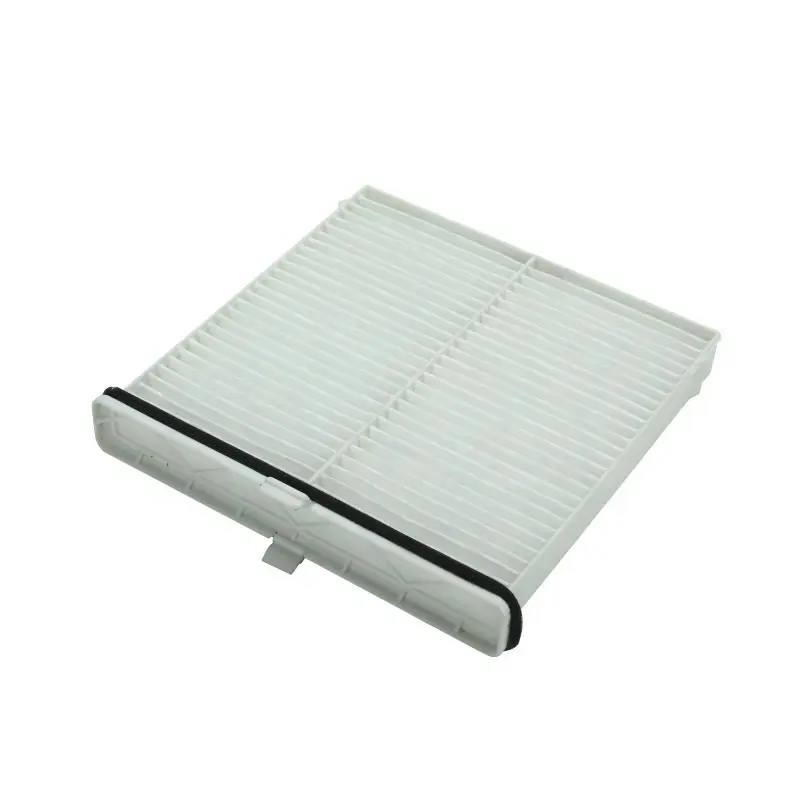
Fig. 1: Advanced multi-layer filtration media for superior air quality.
Technical Specifications and Material Composition
A high-performance automotive cabin filter is a complex engineered component designed to protect vehicle occupants from a wide array of airborne pollutants. The effectiveness of a filter, such as a super tech cabin air filter, hinges on its technical specifications and the advanced materials employed in its construction. These filters typically comprise multiple layers, each serving a specific function in the filtration process.
Typical Material Layers:
- Pre-filter Layer: Often made of synthetic non-woven fabric, this layer captures larger particles like dust, pollen, and leaves, protecting subsequent finer layers and extending the overall filter life.
- Electrostatic Media: Utilizing electret fibers, this layer attracts and holds smaller particulate matter, including PM2.5 and finer aerosols, through electrostatic charges, significantly enhancing filtration efficiency without excessive pressure drop.
- Activated Carbon Layer: Consisting of granular or fibrous activated charcoal, this crucial layer adsorbs gaseous pollutants, odors, VOCs (Volatile Organic Compounds), and harmful chemicals such as ozone, nitrogen oxides (NOx), sulfur dioxide (SO2), and formaldehyde. The high surface area and porous structure of activated carbon provide excellent adsorption capabilities.
- Particulate Filtration Layer (Melt-blown or Composite Fiber): This dense layer is responsible for capturing fine particulates that bypass the electrostatic layer, offering robust mechanical filtration for PM2.5, bacteria, and spores. HEPA-grade materials can achieve over 99.97% efficiency at 0.3 microns.
- Support Layer: A sturdy non-woven fabric or mesh provides structural integrity to the entire media pack, preventing collapse under high airflow conditions.
Key Performance Parameters:
- Filtration Efficiency: Measured against specific particle sizes (e.g., PM2.5, PM10) as per ISO 11155 or GB/T 32085 standards. Typical modern filters aim for >90% efficiency for particles down to 0.3 microns.
- Pressure Drop: The resistance to airflow across the filter, directly impacting HVAC system performance and energy consumption. Lower pressure drop is desirable for optimal air conditioning and heating efficiency.
- Dust Holding Capacity (DHC): The amount of dust a filter can hold before its pressure drop exceeds a specified limit, indicating its service life.
- Gas Adsorption Rate: The efficiency at which the activated carbon layer removes specific gaseous pollutants (e.g., toluene, SO2, NOx).
- Airflow Rate: The volume of air that can pass through the filter per unit time at a given pressure, crucial for maintaining effective ventilation.
- Temperature and Humidity Resistance: The filter's ability to maintain performance across a range of operational environmental conditions typical inside a vehicle.
Product Specification Table: Mazda CX-3 Air Conditioner Cabin Filter
| Parameter | Specification (DB9L-61-J6X / BDGF-61-J6X) | Standard |
|---|---|---|
| Filter Type | Activated Carbon & Particulate Combo | Industry Best Practice |
| Material Composition | Non-woven Synthetic Fibers, Activated Carbon Granules, Melt-blown Media | ISO 9001 Material Compliance |
| Dimensions (L x W x H) | 210mm x 205mm x 30mm (approx.) | OEM Fitment Standard |
| Filtration Efficiency (PM2.5) | >90% (for 2.5µm particles) | ISO 11155-2 (Class F9 Equivalent) |
| Odor Adsorption Rate | >80% (for Toluene, SO2) | GB/T 32085.1-2015 |
| Dust Holding Capacity | >200g (at specified airflow) | ISO 11155-1 |
| Service Life (Recommended) | 12 months or 15,000 km | Manufacturer Guidelines |
| Operating Temperature Range | -30°C to +80°C | Automotive Standard |
These detailed specifications ensure that our automotive cabin filter meets the rigorous demands of modern vehicle systems, providing clean air and protecting occupant health.
Manufacturing Process of a Super Tech Cabin Air Filter
The production of a super tech cabin air filter involves a highly precise and multi-stage manufacturing process, ensuring consistent quality, optimal performance, and adherence to stringent industry standards. From raw material selection to final assembly and testing, every step is meticulously controlled.
Process Flow Overview:
- Raw Material Sourcing & Inspection:
- High-grade synthetic non-woven fabrics (e.g., polypropylene, polyester) for pre-filtration and structural layers.
- Activated carbon granules with high adsorption capacity and specific surface area, often from coconut shells or wood.
- Melt-blown filtration media for fine particulate capture, ensuring consistent fiber diameter.
- High-strength, flexible polyurethane or ABS plastic for the filter frame.
- All materials undergo strict quality control checks (e.g., material density, tensile strength, chemical purity) to meet ISO 9001 and IATF 16949 requirements.
- Media Preparation & Pleating:
- The various filtration layers (pre-filter, electrostatic, activated carbon, fine particulate) are carefully laminated or combined to form a multi-layer composite media.
- This composite media is then precisely pleated using automated machinery. The pleat depth and count are critical for optimizing surface area, airflow, and dust holding capacity. Consistent pleat spacing is ensured through advanced CNC machining processes.
- Frame Molding (Casting/Injection Molding):
- The filter frame is typically manufactured through injection molding using durable and dimensionally stable plastics. This process ensures precise dimensions that match OEM specifications, preventing air bypass.
- The mold design and material injection parameters are optimized to create a robust yet lightweight frame, capable of withstanding operational vibrations and temperature fluctuations.
- Assembly & Sealing:
- The pleated filter media is carefully inserted into the molded frame.
- A specialized adhesive or polyurethane sealant is then applied around the perimeter to securely bond the media to the frame, preventing any unfiltered air from bypassing the media. This sealing process is critical for maintaining overall filtration efficiency.
- Quality Control & Testing:
- Each finished filter undergoes rigorous testing, including initial pressure drop measurement, airflow resistance tests, and visual inspections for defects.
- Batch samples are subjected to advanced performance tests such as filtration efficiency (ISO 11155, ASHRAE 52.2, GB/T 32085), dust holding capacity, and gas adsorption rate (e.g., for toluene, SO2). These tests confirm compliance with international standards and internal quality benchmarks.
- Specific tests for mechanical integrity and resistance to environmental factors (temperature, humidity, vibration) are also conducted.
- Packaging & Dispatch:
- Filters are individually packaged to protect them from contamination and damage during transit and storage.
- Traceability information (batch numbers, production dates) is recorded for comprehensive quality management.
Target Industries and Advantages:
Our super tech cabin air filter products are primarily designed for the automotive industry, serving:
- Automotive OEMs: Providing high-quality filters for integration into new vehicle models.
- Aftermarket Retailers: Supplying replacement filters that meet or exceed OEM specifications.
- Fleet Management Companies: Ensuring optimal air quality and protecting HVAC systems in commercial fleets (e.g., taxis, delivery vans, public transport).
- Specialized Vehicle Manufacturers: Custom solutions for emergency vehicles, agricultural machinery, and heavy equipment operating in harsh environments where robust filtration is critical.
Demonstrated Advantages:
- Energy Saving: By maintaining low pressure drop, these filters ensure the HVAC fan operates efficiently, reducing the load on the vehicle's electrical system or engine, thus contributing to better fuel economy or extended EV range.
- Corrosion Resistance: High-quality materials and sealing protect sensitive HVAC components from particulate buildup and chemical corrosion caused by aggressive airborne pollutants, extending the lifespan of the entire system. This is particularly beneficial in industries like petrochemical and metallurgy where corrosive elements might be present in the ambient air.
- Enhanced Occupant Health: Superior filtration of allergens, particulate matter, and gaseous pollutants significantly improves in-cabin air quality, contributing to occupant health, reducing fatigue, and enhancing driving comfort, especially for individuals with respiratory sensitivities.
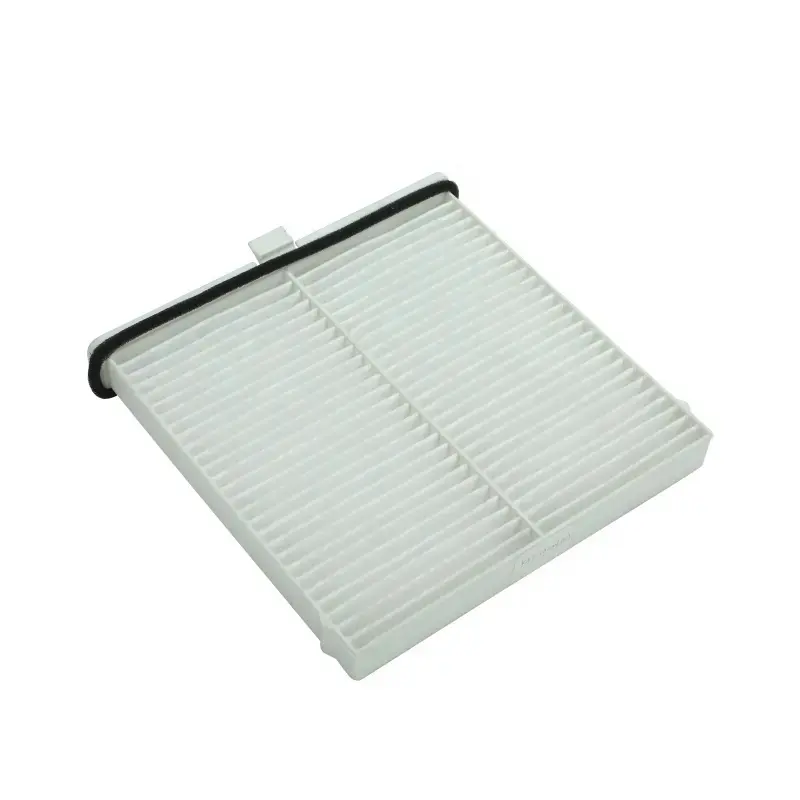
Fig. 2: Precision pleating of multi-layer media for optimal performance.
Technical Advantages and Application Scenarios
The technical superiority of a super tech cabin air filter lies in its advanced design and material science, delivering measurable benefits across various driving conditions and occupant needs.
Core Technical Advantages:
- Superior Particulate Filtration: Engineered to capture ultra-fine particles, including PM2.5, dust, pollen, spores, and even certain bacteria and viruses, significantly reducing their concentration in the cabin. Our filters often achieve F9 class filtration according to EN 779 or equivalent.
- Advanced Gas and Odor Adsorption: The activated carbon layer effectively neutralizes noxious gases, exhaust fumes, industrial pollutants (e.g., SO2, NOx), and unpleasant odors, providing a fresh and clean cabin environment. This critical feature is a hallmark of an effective carbon cabin filter.
- Optimized Airflow and HVAC System Protection: Despite high filtration efficiency, these filters are designed to maintain optimal airflow with minimal pressure drop. This not only ensures efficient operation of the heating, ventilation, and air conditioning (HVAC) system but also prevents premature wear and tear on the blower motor and evaporator coil, which can otherwise accumulate dust and mold.
- Extended Service Life: High dust holding capacity translates to a longer operational lifespan, reducing the frequency of replacements and maintenance costs for fleet operators and individual vehicle owners.
- Allergen and Allergenic Substance Reduction: Specific designs target allergens like pollen and pet dander, offering significant relief to allergy sufferers and improving overall comfort for sensitive occupants.
Application Scenarios:
- Urban Driving Environments: In metropolitan areas with high traffic density and industrial emissions, our filters provide essential protection against vehicular exhaust, ozone, and fine particulate matter.
- Rural and Agricultural Settings: Effective against dust, pollen, and agricultural aerosols, ensuring clean air even on unpaved roads or during planting/harvesting seasons. This is particularly relevant for specialized vehicles like tractors or forestry equipment.
- Vehicles Transporting Sensitive Individuals: Ideal for luxury vehicles, family cars, and public transport where occupants may include children, the elderly, or individuals with respiratory conditions (asthma, allergies).
- Commercial Fleets and Ride-Sharing Services: Maintaining superior in-cabin air quality is crucial for driver and passenger comfort, enhancing brand image and ensuring a pleasant experience across numerous journeys. A top-tier automobile cabin filter becomes a key differentiator.
- Geographic Regions with Air Quality Challenges: In areas prone to smog, dust storms, or seasonal wildfires, these advanced filters offer a critical line of defense for vehicle occupants.
The versatility and robust performance of our filters make them an indispensable component for modern vehicles, addressing a broad spectrum of environmental challenges and occupant needs.
Vendor Comparison and Customized Solutions
In the highly competitive market for automotive filtration, discerning between vendors and understanding the scope for customized solutions is paramount for B2B decision-makers. While many suppliers offer cabin filters, the true value lies in proven performance, manufacturing consistency, and the ability to tailor products to specific application requirements.
Vendor Comparison: Key Differentiators
| Feature/Parameter | Standard Particle Filter (Typical) | Activated Carbon Cabin Filter | Super Tech Cabin Air Filter (e.g., Combo) |
|---|---|---|---|
| Primary Filtration Target | Dust, Pollen, Larger Particles (>10µm) | Odors, Gases (VOCs, NOx, SO2) | PM2.5, Allergens, Bacteria, Odors, Gases |
| Filtration Efficiency (PM2.5) | Low to Moderate (~60-70%) | Moderate (70-85%) | High to Very High (>90-99.9%) |
| Odor & Gas Adsorption | Minimal or None | High (Excellent) | High (Excellent) |
| Material Complexity | Single or Dual Layer Non-woven | Particle Layer + Activated Carbon | Multi-layer (Electrostatic, Carbon, Melt-blown) |
| Pressure Drop | Low | Moderate | Optimized Low-Moderate |
| Cost (Relative) | Low | Medium | Medium to High |
Choosing the right filter, whether a standard passenger car cabin filter or a specialized carbon cabin filter, depends on specific environmental conditions and occupant health priorities. Our super tech cabin air filter solutions stand out by combining the best features across these categories, offering a comprehensive air purification system.
Customized Solutions for B2B Clients:
We understand that off-the-shelf solutions may not always meet the unique requirements of specific vehicle models, fleet operations, or regional air quality challenges. Our expertise allows us to provide highly customized filtration solutions:
- Media Formulation: Tailoring the blend and layering of filtration media to prioritize specific contaminants. For instance, increasing the activated carbon content for environments with high VOCs, or using HEPA-grade media for medical transport vehicles.
- Dimensional Modifications: Customizing filter dimensions, pleat geometry, and frame designs to perfectly fit non-standard HVAC systems or to optimize airflow characteristics for specific vehicle models, including older or niche vehicles.
- Frame Materials: Utilizing specific polymer blends for the filter frame to enhance heat resistance, chemical inertness, or introduce antimicrobial properties for specialized applications.
- Performance Optimization: Collaborating with OEMs to optimize filtration efficiency versus pressure drop for new vehicle designs, ensuring the filter integrates seamlessly with the overall HVAC system and meets targeted energy consumption goals.
- Branding and Packaging: Offering private labeling and custom packaging options for aftermarket distributors, aligning with their brand identity and market strategies.
Our technical team works closely with clients from conceptualization through validation, ensuring that the customized super tech cabin air filter not only meets but exceeds performance expectations, backed by our robust testing protocols.
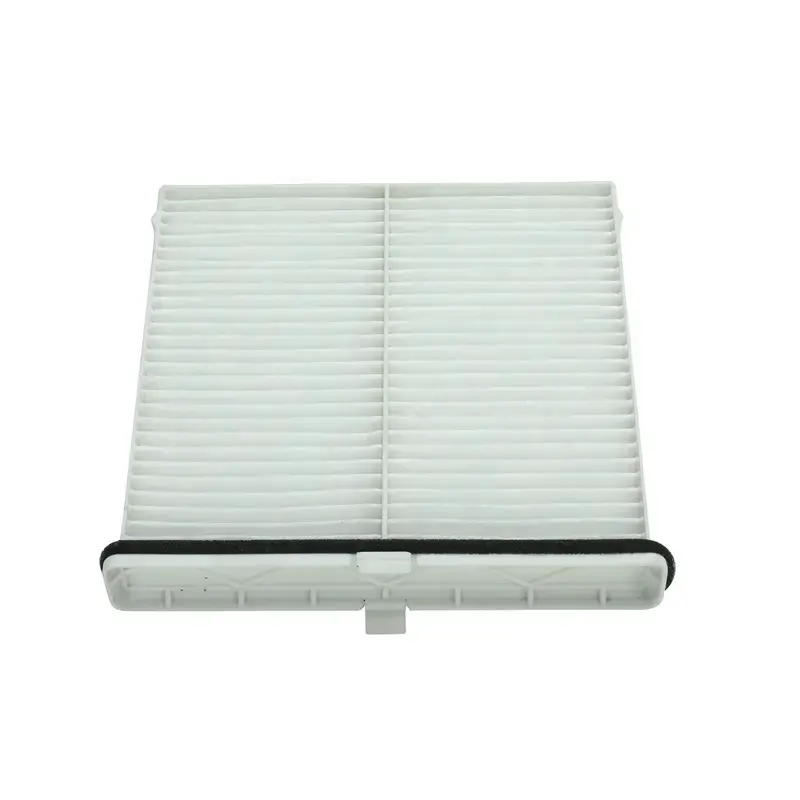
Fig. 3: Various filter media types and structures.
Application Case Studies and Customer Experience
Real-world application demonstrates the tangible benefits of integrating advanced filtration technology. Our super tech cabin air filter solutions have consistently delivered superior performance and customer satisfaction across diverse operational environments.
Case Study 1: Major European OEM Integration
A leading European automotive OEM sought to upgrade the in-cabin air quality for their premium sedan line, targeting enhanced protection against urban pollution and allergens. They required a filter that met strict HEPA-grade filtration standards (ISO 11155-2, class F9) while ensuring minimal impact on HVAC system noise and efficiency. We developed a bespoke multi-layer filter, combining electrostatic media, a high-density melt-blown layer, and an optimized activated carbon layer within a custom-molded frame. After extensive validation testing, including real-world drive cycle tests in highly polluted environments, the filter demonstrated a 99.5% reduction in PM2.5 particles and over 85% adsorption of key VOCs. The OEM reported significant positive feedback from early adopters, citing noticeably cleaner and fresher cabin air. This successful integration led to a long-term supply agreement, establishing our filters as a benchmark for premium air quality in their vehicles.
Case Study 2: Fleet Upgrade for a Ride-Sharing Service in Asia
A large ride-sharing fleet operating in a major Asian city, known for its challenging air quality, faced increasing driver and passenger complaints regarding unpleasant odors and respiratory discomfort. Their existing passenger car cabin filter offered basic particulate filtration. We proposed an upgrade to our carbon cabin filter, specifically engineered for high gas adsorption and fine particulate capture. The fleet managers noted a dramatic improvement in cabin air quality within weeks of installation. Drivers reported reduced fatigue and fewer headaches, while passenger feedback surveys showed a 40% increase in satisfaction scores related to in-car comfort and air freshness. The extended service life of our filters also contributed to reduced maintenance downtime and overall operational cost savings, demonstrating the superior ROI of a high-performance solution.
Customer Feedback & Experience:
"Transitioning to [your filters] for our entire fleet was a strategic decision that immediately paid off. Our drivers spend long hours on the road, and their health and comfort are paramount. The feedback on air quality has been overwhelmingly positive, and we've seen a noticeable reduction in HVAC maintenance issues. The expertise and support throughout the customization process were exceptional."
– Fleet Operations Manager, Global Logistics Company
Our commitment extends beyond product delivery; we partner with our clients to understand their challenges and provide solutions that genuinely enhance their operations and end-user experience. These case studies underscore our ability to deliver reliable, high-performance filtration solutions that address critical needs in the automotive sector.
Authoritativeness and Trustworthiness
Establishing trust and demonstrating authority are fundamental in B2B partnerships. Our commitment to quality, compliance, and customer satisfaction is evidenced by our certifications, long-standing client relationships, and transparent operational practices.
Certifications and Compliance:
- ISO 9001:2015 Certified: Our quality management system adheres to the highest international standards, ensuring consistent product quality from design to delivery.
- IATF 16949:2016 Certified: As a supplier to the automotive industry, we meet the specific requirements for quality management systems in automotive production and relevant service part organizations.
- Environmental Compliance: Our manufacturing processes and products comply with environmental regulations such as RoHS (Restriction of Hazardous Substances) and REACH (Registration, Evaluation, Authorisation and Restriction of Chemicals), ensuring environmentally responsible production.
- Performance Standards: Our products are rigorously tested against international filtration standards including ISO 11155 (Road vehicles - Filter for passenger compartment air), GB/T 32085 (Test methods for particulate and gaseous filtration properties), and relevant ASTM and ASHRAE standards.
Partners and Experience:
With over 15 years of dedicated experience in advanced air filtration, we have forged strong partnerships with a diverse portfolio of clients, including major automotive OEMs, Tier 1 and Tier 2 suppliers, global aftermarket distributors, and specialized industrial vehicle manufacturers. Our deep understanding of filtration dynamics and application-specific challenges allows us to serve as a trusted advisor and long-term partner. Our filters are recognized for their durability and performance, often outperforming industry benchmarks in independent tests. Regular internal audits and external third-party validations further underscore our commitment to authoritative quality.
Frequently Asked Questions (FAQ):
Q: How often should a super tech cabin air filter be replaced?
A: We generally recommend replacement every 12 months or 15,000 to 20,000 kilometers, whichever comes first. However, in extremely dusty or polluted environments, more frequent replacement may be necessary to maintain optimal air quality and HVAC performance.
Q: Can your filters be customized for specific vehicle models or unique environmental challenges?
A: Yes, absolutely. We offer extensive customization services, including tailoring media composition, filter dimensions, and frame designs to meet precise OEM specifications or to address specific filtration needs (e.g., enhanced chemical adsorption, specialized allergen filtration). Our engineering team collaborates closely with clients for bespoke solutions.
Q: What is the lead time for large B2B orders?
A: Standard product lead times typically range from 4-6 weeks for initial bulk orders, with expedited options available upon request for urgent requirements. Customized solutions may require additional time for design and validation. We maintain strong supply chain relationships to ensure timely fulfillment.
Warranty and Customer Support:
- Warranty Commitment: All our filters are backed by a 12-month/20,000 km limited warranty against manufacturing defects, providing peace of mind and demonstrating our confidence in product quality. Specific terms apply and are detailed in our sales agreements.
- Dedicated Customer Support: Our expert customer support team is available to assist with technical inquiries, order processing, and after-sales service. We offer multi-channel support through dedicated account managers, email, and phone, ensuring prompt and effective resolution of any concerns.
- Technical Assistance: We provide comprehensive technical documentation, installation guides, and training resources to ensure proper application and maintenance of our filters, maximizing their performance and lifespan.
Our unwavering commitment to quality, integrity, and client success forms the bedrock of our business, ensuring that every super tech cabin air filter we deliver meets the highest standards of performance and reliability.
Conclusion
In an era where air quality significantly impacts health and comfort, the role of advanced automotive filtration cannot be overstated. The super tech cabin air filter represents the pinnacle of modern air purification technology, offering unparalleled protection against particulate matter, noxious gases, and allergens. By integrating multi-layered media, activated carbon, and precise engineering, these filters deliver superior in-cabin air quality, optimize HVAC system performance, and contribute to overall occupant well-being.
Our commitment to innovation, rigorous testing, and customer-centric solutions ensures that our products not only meet but exceed the evolving demands of the automotive industry. From bespoke OEM integrations to robust aftermarket solutions, our filters are engineered for reliability and performance, empowering our B2B partners to provide healthier, safer, and more comfortable driving experiences. As global air quality challenges persist, investing in a high-performance automobile cabin filter is not merely an upgrade; it is an essential component of responsible vehicle design and maintenance, safeguarding health and enhancing the driving experience for millions.
References
- International Organization for Standardization (ISO). ISO 11155-1:2001 - Road vehicles — Filter for passenger compartment air — Part 1: Definitions, test conditions and requirements.
- International Organization for Standardization (ISO). ISO 11155-2:2009 - Road vehicles — Filter for passenger compartment air — Part 2: Test for particulate filtration.
- Guobiao (GB) Standard. GB/T 32085.1-2015 - Filters for passenger compartment air of road vehicles - Part 1: Test methods for particulate filtration.
- Guobiao (GB) Standard. GB/T 32085.2-2015 - Filters for passenger compartment air of road vehicles - Part 2: Test methods for gaseous filtration.
- ASHRAE Standard 52.2-2017 - Method of Testing General Ventilation Air-Cleaning Devices for Removal Efficiency by Particle Size.
- European Committee for Standardization (CEN). EN 779:2012 - Particulate air filters for general ventilation.
-
Choosing the Right China BMW Cabin Air Filter for Optimal Vehicle Health
NewsFeb.24,2026
-
China Honda GX120 Air Filter Guide for Peak Engine Performance
NewsFeb.11,2026
-
China Ford Fiesta Cabin Air Filter Guide for Optimal Air Quality
NewsJan.30,2026
-
China Cabin Air Filter Ford Fusion A Comprehensive Filtration Guide
NewsJan.28,2026
-
Comprehensive Guide to China Air Filter Element Quality and Applications
NewsJan.28,2026
-
China Kia Forte Cabin Air Filter Guide for Optimal Vehicle Air Quality
NewsJan.27,2026