


Oct . 02, 2025 11:35 Back to list
Why Choose Antiskid Tire—Better Grip on Snow & Wet Roads?
Antiskid Tire Tech: What’s Changing, What Matters, and a Practical Spec Sheet You Can Use
If you’ve ever crested a frosty pass at dawn, you know the difference between drama and control can be measured in siping density and rubber chemistry. An antiskid tire isn’t just “a winter tire with a fancy label.” It’s a small engineering miracle that blends compound science, tread geometry, and strict traction testing. And—surprisingly—fleets that nail winter readiness look beyond tires to supporting parts (oil filtration, brakes, TPMS) because reliability is a system, not a part.
Industry Trends I’m Seeing
EV torque is rewriting traction demands; compounds now mix high-dispersion silica with elastomers tailored for low temps. All-weather lines with the 3PMSF mark nibble at traditional winter segments, though hardcore fleets still stick with antiskid tire models optimized for snow/ice. Also, UNECE R117 updates keep pushing wet grip/noise limits, and more tires carry tire-ID chips for lifecycle tracking. Practical, not hype.
Materials, Process Flow, and Testing
- Compounds: high-silica rubber, functionalized polymers, microbubble or walnut-shell additives (in some Nordic lines) for micro-bite.
- Structure: steel belts + polyester casing; some use aramid reinforcement to cap tread squirm.
- Tread: dense siping (3D interlocking), variable-pitch blocks, optional studdable lugs in certain regions.
- Process: mixing → calendaring → building → curing → uniformity/balance → shear and traction tests.
- Testing: ASTM F1805 snow-traction index; ISO 19447 ice grip; UNECE R117 (wet grip, noise, rolling resistance).
- Service life: ≈25,000–45,000 km in real fleets; storage and rotation habits matter a lot.
Spec Sheet You Can Actually Use (Related Part for Winter Fleets)
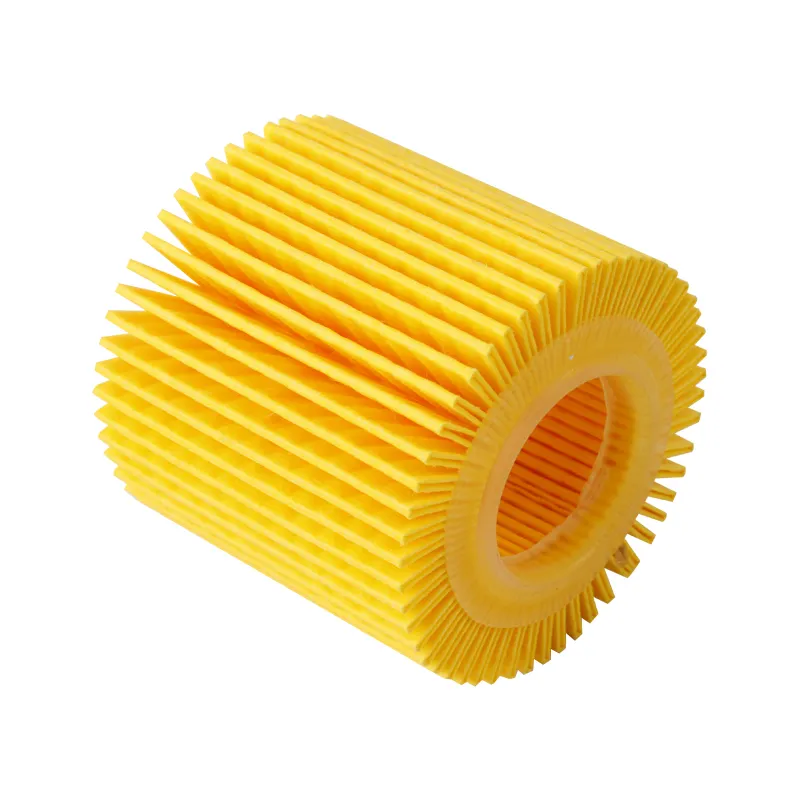
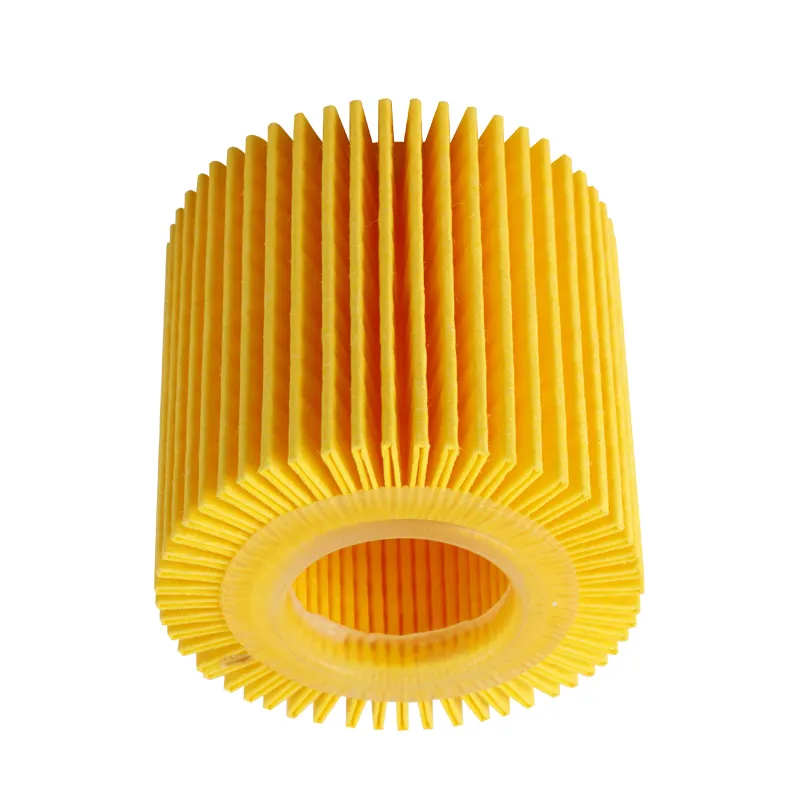
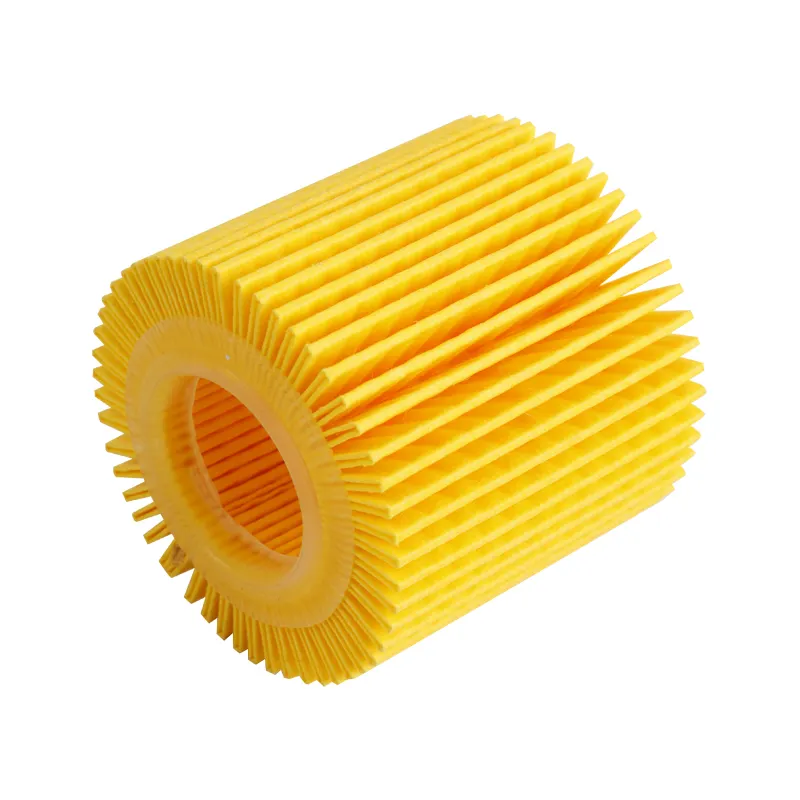
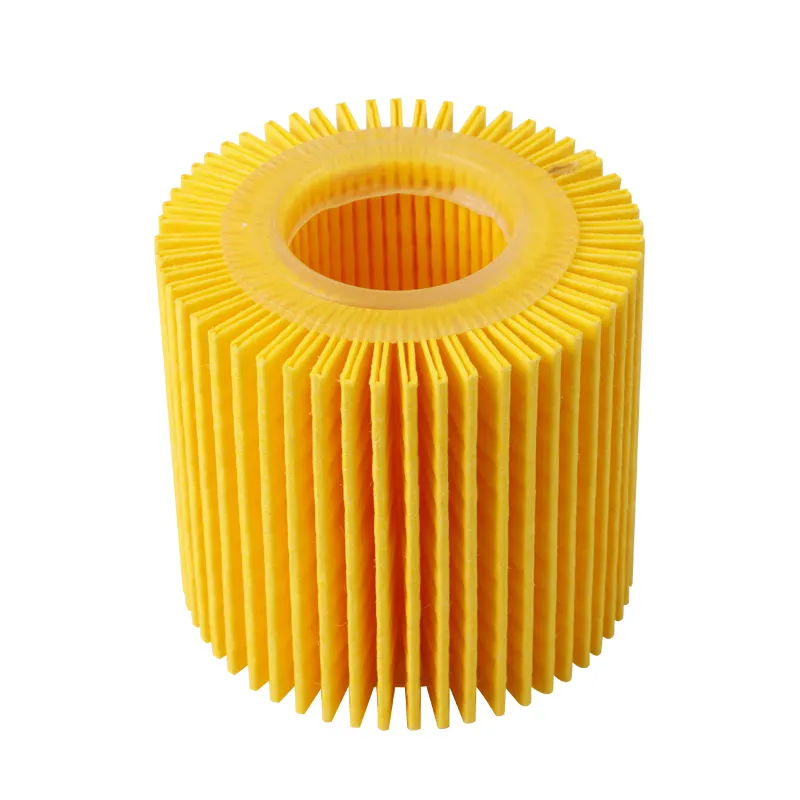
We pair antiskid tire upgrades with filtration that tolerates cold starts and extended idling. For reference, here’s a confirmed spec for a widely used oil filter—handy for winter-ready maintenance windows.
| Product Name | OEM Car Oil Filter 04152-37010 / 04152-YZZA6 |
| OEM NO. | 04152YZZA7, 04152-YZZA6 |
| Material | Filter Paper |
| Size | OD ≈ 60 mm; H ≈ 57.3 mm |
| Service | OEM & ODM |
| Certificates | ISO 9001:2015; TS 16949 (IATF lineage) |
| MOQ (Custom Logo) | ≈300 pcs |
| MOQ (Custom Package) | ≈1000 pcs |
| Delivery | Within 30 days after deposit |
| Payment | T/T, L/C |
| Origin | Qinghe County Economic Development Zone, Xingtai, Hebei, China |
| Markets | Russia, United States, Middle East, South America |
Where antiskid tire Shines
- Mountain logistics and last-mile vans: fewer slip events, calmer drivers.
- Municipal fleets: predictable braking on packed snow; better cold-wet grip.
- Ride-hail in shoulder seasons: all-weather 3PMSF makes sense, to be honest.
Vendor Comparison (indicative, real-world use may vary)
| Vendor/Line | Snow Traction (ASTM F1805) | Wet Grip (R117) | Noise | Customization |
|---|---|---|---|---|
| NordicBrand X | Index ≈ 0.28–0.32 | Class B | ≈70 dB(A) | Stud-ready, fleet branding |
| All-Weather Pro | Index ≈ 0.24–0.27 | Class B–C | ≈69 dB(A) | Sidewall logo options |
| BudgetStudded S | Index ≈ 0.30–0.34 | Class C | ≈72 dB(A) | Stud layouts only |
Customization that matters: compound family (Nordic vs all-weather), stud layouts for legal regions, siping density by axle, and yes, branding—many customers say it actually helps driver pride and care.
Field Notes and Data
- Regional delivery fleet (mountain corridor): switching to antiskid tire with 3PMSF cut slip incidents ≈38% over one winter; average stopping distance on packed snow improved ≈12% vs prior all-season set.
- Urban bus line: ice-grip rated tires (ISO 19447) reduced cold-morning wheelspin events; drivers reported “less darting” under brake.
Certifications to check: 3PMSF symbol; UNECE R117 labeling; DOT FMVSS 139 compliance. Supplier QMS—ISO 9001 and IATF 16949 lineage—adds confidence across tires and supporting parts like filters. It seems boring, but it saves headaches.
Citations
- ASTM F1805 – Standard Test Method for Single Wheel Driving Traction in a Straight Line on Snow.
- UNECE Regulation No. 117 – Tyre rolling sound emissions, wet grip, and rolling resistance.
- ISO 19447 – Passenger car tyres — Method for measuring ice grip performance.
- FMVSS No. 139 – New pneumatic radial tires for light vehicles (NHTSA/DOT).
- ETRTO & TRA guidelines for sizes and service descriptions (industry references).
-
Choosing the Right China BMW Cabin Air Filter for Optimal Vehicle Health
NewsFeb.24,2026
-
China Honda GX120 Air Filter Guide for Peak Engine Performance
NewsFeb.11,2026
-
China Ford Fiesta Cabin Air Filter Guide for Optimal Air Quality
NewsJan.30,2026
-
China Cabin Air Filter Ford Fusion A Comprehensive Filtration Guide
NewsJan.28,2026
-
Comprehensive Guide to China Air Filter Element Quality and Applications
NewsJan.28,2026
-
China Kia Forte Cabin Air Filter Guide for Optimal Vehicle Air Quality
NewsJan.27,2026