

Jan . 30, 2026 14:33 Back to list
China Ford Fiesta Cabin Air Filter Guide for Optimal Air Quality
China Ford Fiesta Cabin Air Filter: A Comprehensive Guide
Maintaining optimal air quality inside your Ford Fiesta is crucial for both driver and passenger comfort and health. A high-quality cabin air filter is essential for removing dust, pollen, and other harmful particles. This article will provide a thorough guide to understanding, selecting, and replacing the cabin air filter in your Ford Fiesta, with a focus on options available from China. We'll explore the benefits of choosing a reliable filter and the importance of regular maintenance for a healthier driving experience.
Why Replace Your Ford Fiesta Cabin Air Filter?
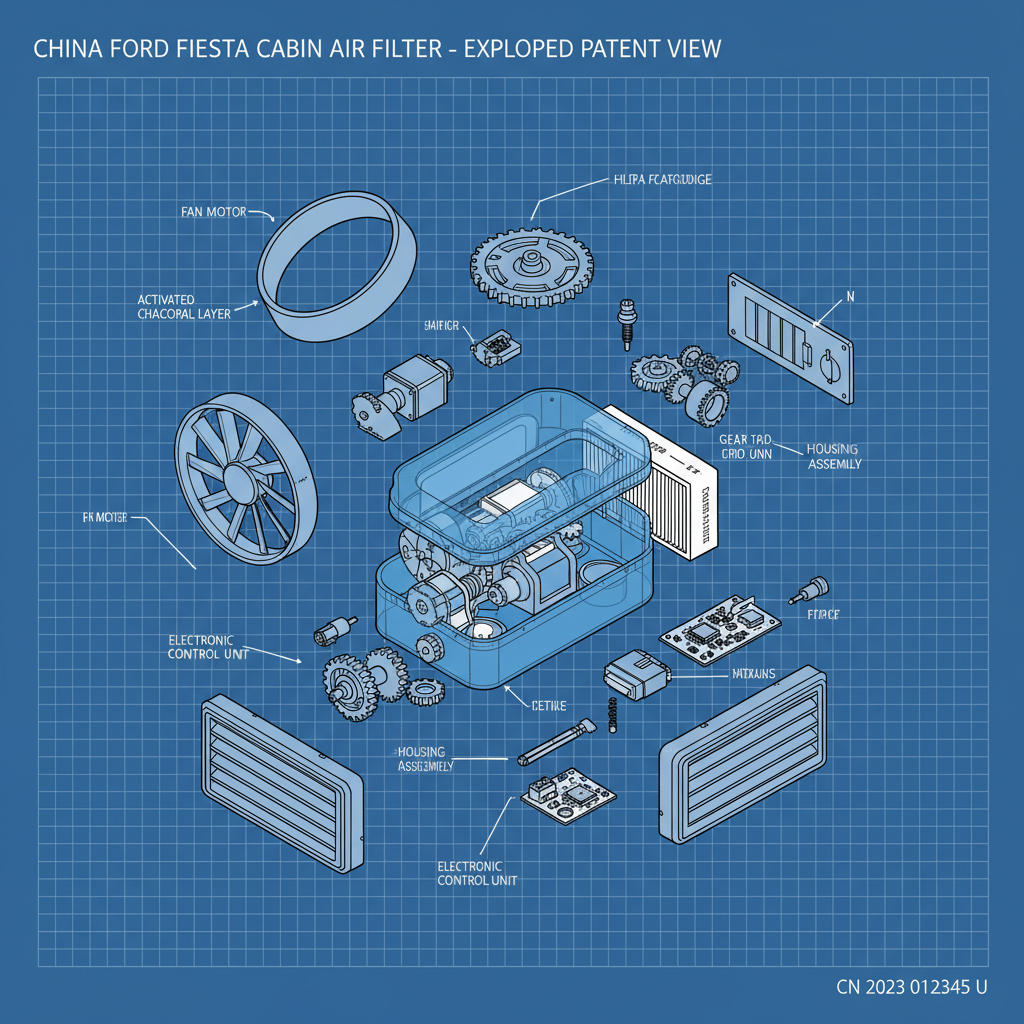
The cabin air filter prevents pollutants from entering your vehicle's ventilation system. Over time, this filter becomes clogged with debris, reducing airflow and potentially impacting the efficiency of your air conditioning and heating. A clogged filter can also lead to unpleasant odors and exacerbate allergies. Replacing the cabin air filter regularly ensures clean and fresh air circulation within the car, improving overall driving comfort and the health of occupants. Ignoring this maintenance can strain the HVAC system and reduce its lifespan.
Key Benefits: Clean air circulation, improved HVAC performance, reduced allergy symptoms, elimination of unpleasant odors, and prolonged HVAC system lifespan.
Understanding Cabin Air Filter Types for Ford Fiesta
Cabin air filters typically fall into two main categories: paper filters and activated carbon filters. Paper filters are the more basic and affordable option, effectively capturing dust and pollen. Activated carbon filters, on the other hand, offer superior filtration, removing odors, gases, and even some bacteria. For Ford Fiesta owners, considering an activated carbon filter is particularly beneficial if you live in an urban area with high pollution levels or are sensitive to smells. Antfilter specializes in offering both types of high-quality cabin air filters specifically designed for Ford Fiesta models.
Filter Type Comparison:
• Paper Filters: Cost-effective, good for basic particle filtration.
• Activated Carbon Filters: Superior filtration, removes odors, gases, and some bacteria.
• HEPA Filters: Highest level of filtration, capturing extremely small particles (less common in standard cabin air filters).
China Ford Fiesta Cabin Air Filter: Quality and Cost-Effectiveness
Sourcing cabin air filters from China, like those offered by Antfilter, presents a compelling combination of quality and cost-effectiveness. Many Chinese manufacturers have invested heavily in advanced filtration technology and quality control processes, meeting or exceeding industry standards. This allows you to obtain a high-performance filter for your Ford Fiesta at a significantly lower price compared to branded alternatives. However, it's crucial to choose a reputable supplier to ensure you're receiving a genuine, high-quality product.
Replacing Your Ford Fiesta Cabin Air Filter: A Step-by-Step Guide
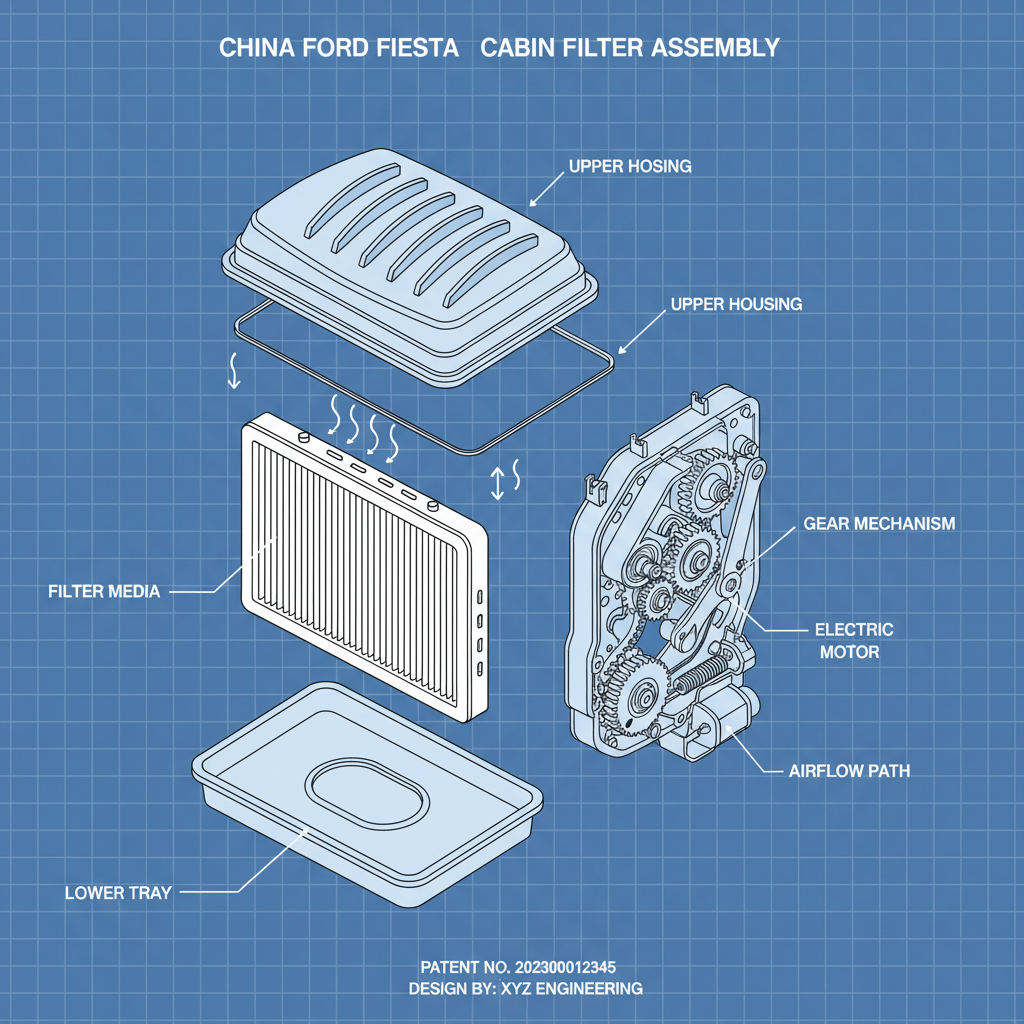
Replacing the cabin air filter in your Ford Fiesta is a relatively simple DIY task. The filter is typically located behind the glove compartment. Here's a general guide (always refer to your vehicle's owner's manual for specific instructions):
- Open the glove compartment and empty its contents.
- Release the stoppers on the sides of the glove compartment to allow it to fully swing down.
- Locate the cabin air filter cover.
- Remove the cover and pull out the old filter.
- Insert the new cabin air filter, ensuring it’s oriented correctly (check the arrows on the filter).
- Replace the cover, re-engage the glove compartment stoppers, and close the glove compartment.
Maintenance Schedule and Recommendations
It’s generally recommended to replace your Ford Fiesta's cabin air filter every 12,000 to 15,000 miles, or at least once a year. However, if you drive frequently in dusty or polluted environments, you may need to replace it more often. Regularly inspect the filter for discoloration or debris buildup. Choosing a high-quality filter from a trusted supplier like Antfilter ensures optimal performance and longevity.
Conclusion: Breathe Easy with a Quality Cabin Air Filter
Investing in a quality cabin air filter for your Ford Fiesta is a simple yet effective way to improve your driving experience and protect your health. By choosing a reliable filter from a reputable source, you can ensure clean, fresh air circulation and prolong the life of your vehicle’s HVAC system. Don’t compromise on air quality - prioritize your well-being and choose the right filter for your Ford Fiesta.
Frequently Asked Questions (FAQs)
How often should I change the cabin air filter in my Ford Fiesta?
Generally, you should replace your Ford Fiesta's cabin air filter every 12,000 to 15,000 miles, or about once a year. However, this can vary depending on your driving conditions. If you frequently drive in dusty areas, heavily polluted cities, or experience seasonal allergies, you may need to replace the filter more often – perhaps every 6-9 months. Regularly inspect the filter's condition for visible debris or discoloration, and replace it when it appears dirty.
What are the signs that my cabin air filter needs replacing?
Several signs indicate your cabin air filter needs replacement. These include a noticeable reduction in airflow from the vents, a musty or unpleasant odor when you turn on the air conditioning or heater, increased allergy symptoms while driving, and visible dust or debris on the filter itself. If you observe any of these signs, it’s time to replace the filter to ensure optimal air quality.
Is it difficult to replace the cabin air filter on a Ford Fiesta myself?
Replacing the cabin air filter on a Ford Fiesta is generally a straightforward DIY task, requiring minimal tools and technical expertise. It typically involves removing the glove compartment and accessing the filter housing. However, if you're uncomfortable performing this maintenance yourself, you can always take your vehicle to a qualified mechanic. The Antfilter website provides useful resources and guides to assist you.
-
Choosing the Right China BMW Cabin Air Filter for Optimal Vehicle Health
NewsFeb.24,2026
-
China Honda GX120 Air Filter Guide for Peak Engine Performance
NewsFeb.11,2026
-
China Ford Fiesta Cabin Air Filter Guide for Optimal Air Quality
NewsJan.30,2026
-
China Cabin Air Filter Ford Fusion A Comprehensive Filtration Guide
NewsJan.28,2026
-
Comprehensive Guide to China Air Filter Element Quality and Applications
NewsJan.28,2026
-
China Kia Forte Cabin Air Filter Guide for Optimal Vehicle Air Quality
NewsJan.27,2026