0%

Table of Contents

You know, these days everyone’s talking about ‘smart’ cabin filters. Smart! As if a filter can suddenly read your mind. To be honest, it’s mostly marketing hype. But there is a trend towards more sophisticated filtration, that’s for sure. It’s not just about catching dust anymore; it's allergens, bacteria, even some of those weird smells you get after a long tunnel drive. Have you noticed how much more people are sensitive to air quality these days? It's crazy. Anyway, I think the real push is coming from the EV market. People are willing to pay a bit more for cleaner air inside their cars, especially since the engines aren’t drowning out the smells anymore.

And let me tell you, designing a good cabin filter isn’t as simple as it looks. A lot of guys fall into the trap of thinking bigger is always better. But a filter that restricts airflow too much? Forget it. You’ll kill your HVAC system, and people will be sweating buckets. I encountered this at a factory in Jiangsu Province last time, they were pushing this ultra-dense filter with activated carbon layers piled on top of each other. Looked impressive on paper, but it practically choked the airflow. Later… forget it, I won’t mention it. It was a whole thing.

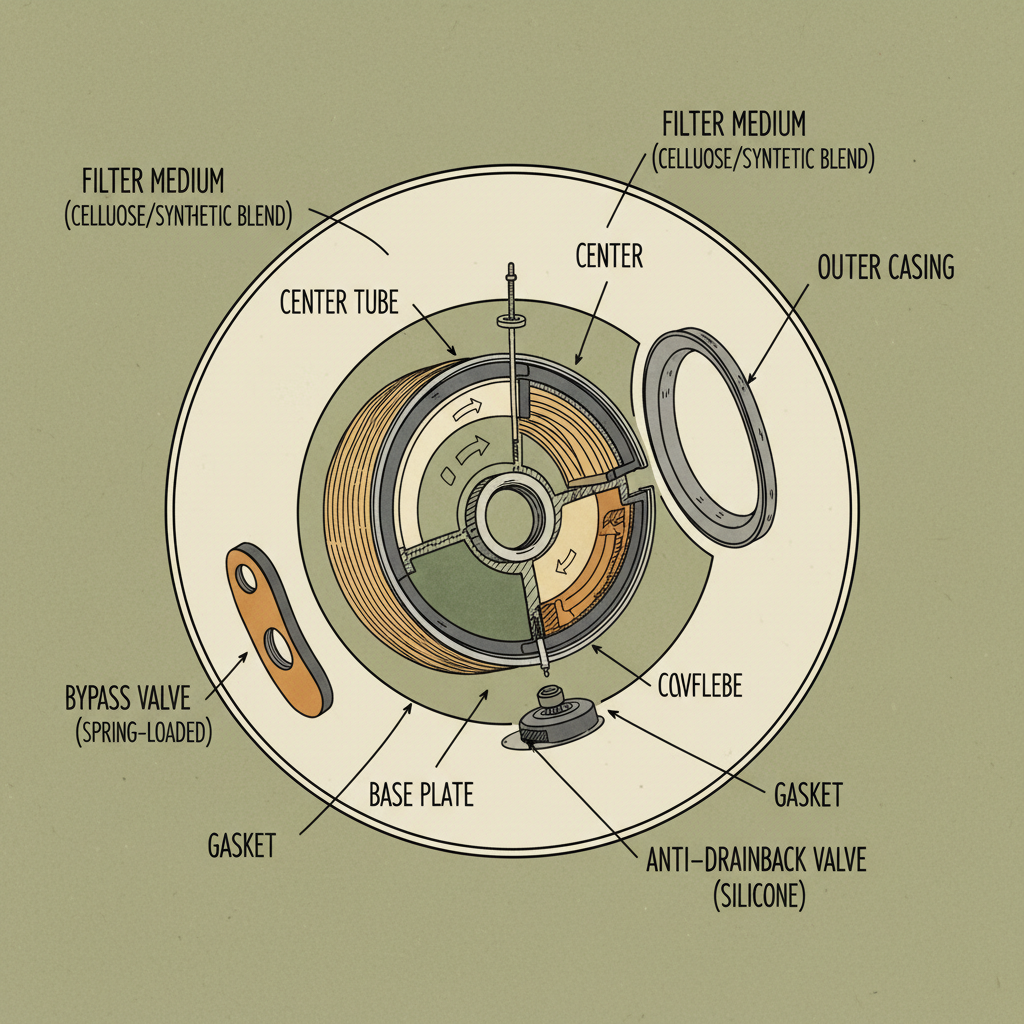
The core materials… well, you’ve got your standard polypropylene, that’s the workhorse. Feels a bit plasticky, smells faintly chemical when you first open the roll. Then you’ve got the activated carbon, obviously. Different grades of that stuff make a huge difference, some are really fine and fluffy, others are more… grainy. And don't even get me started on the different types of HEPA media. They're all claiming 99.97% efficiency, but the feel of the material, the weight, it tells you a lot about the quality. We're also seeing more and more use of non-woven fabrics – they’re lighter, more breathable, and can be treated with antimicrobial agents.
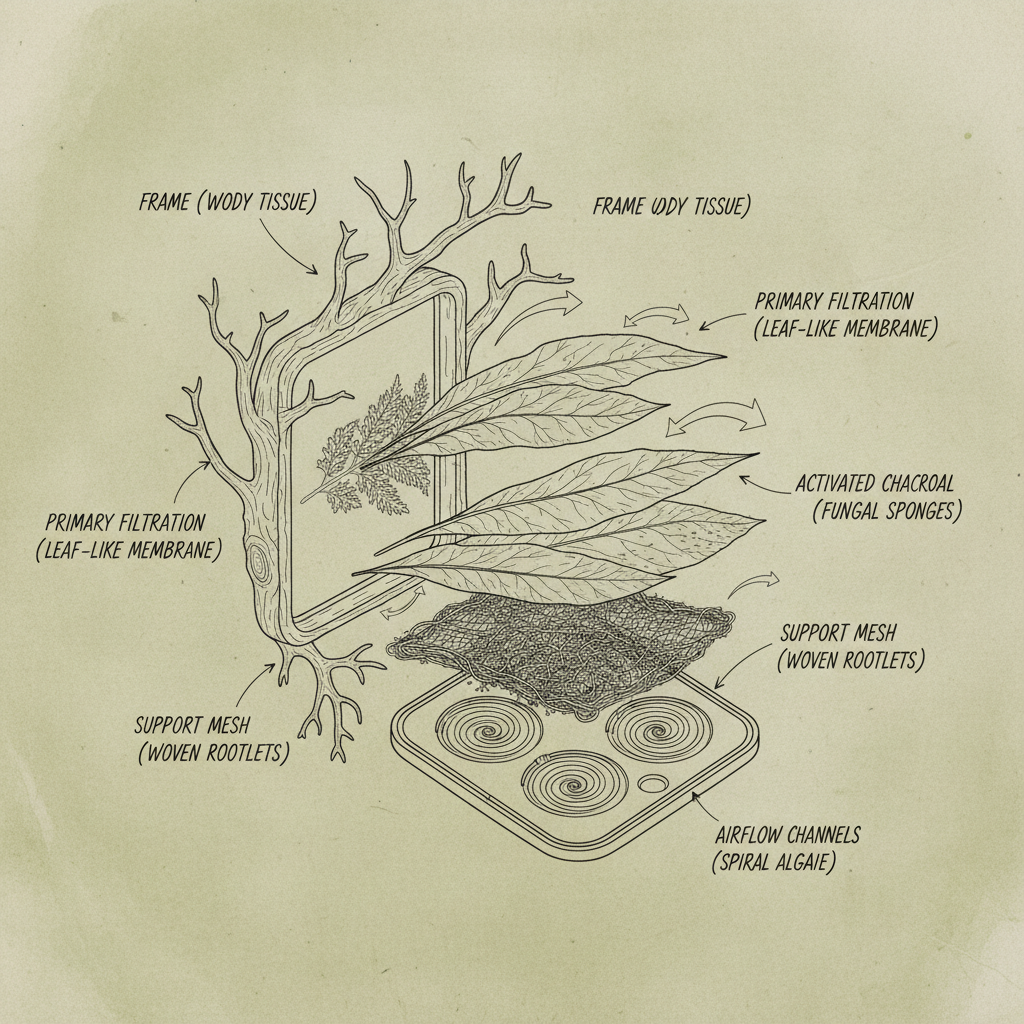
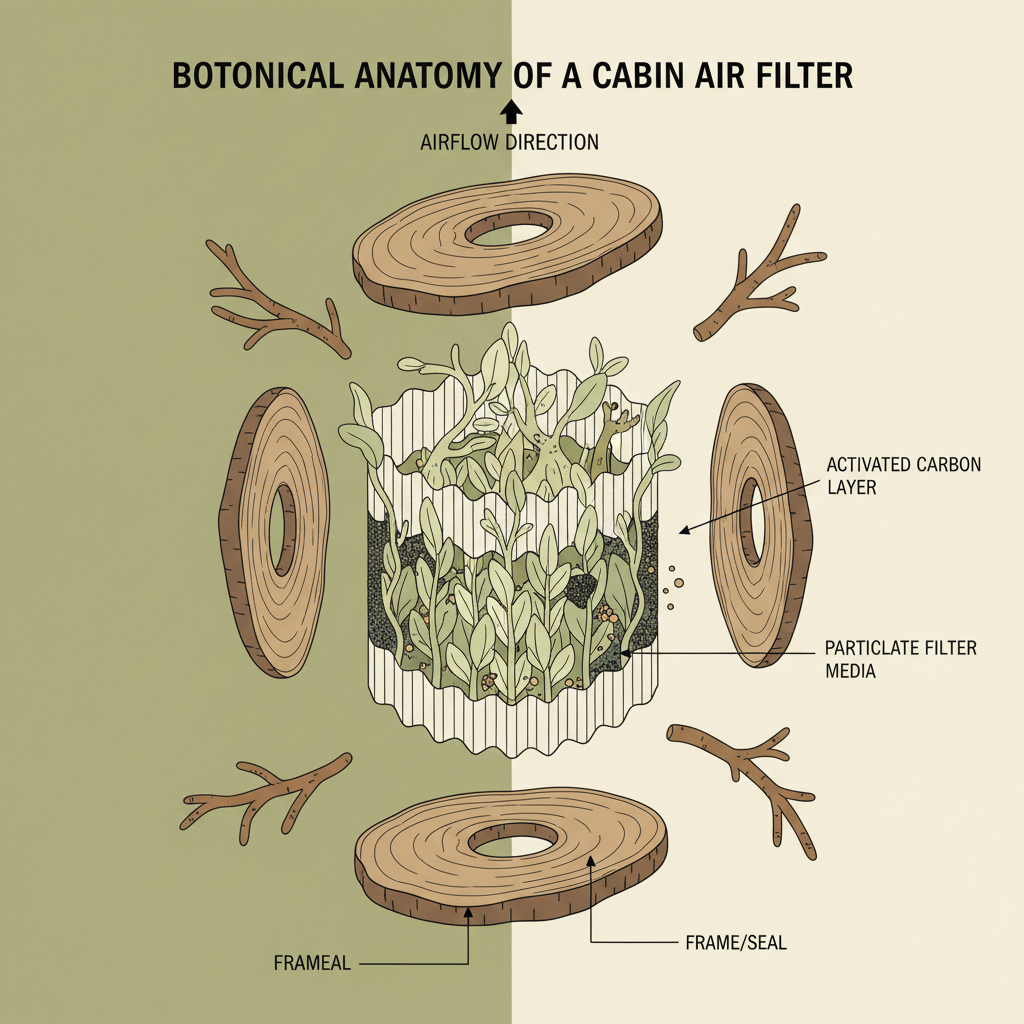
Understanding Modern Cabin Filter Technology and Performance Characteristics

The Current State of Cabin Filter Technology

Understanding Modern Cabin Filter Technology and Performance Characteristics

Strangely enough, a lot of the innovation is happening in the agricultural sector. They’re using similar filtration tech to keep greenhouses clean, and some of those materials are trickling down to automotive applications. It's all about controlling the environment, right? I mean, cars are basically rolling greenhouses these days. The biggest thing I’m seeing is a move towards filters that can actively neutralize odors, not just mask them. People want fresh air, not just perfumed air.

And it's not just cars, either. Cabin filters are becoming standard in more and more commercial vehicles – buses, trucks, even construction equipment. Operators are realizing that a clean cab is a more productive cab. Fewer sick days, less fatigue, that sort of thing.

Common Design Pitfalls and Material Considerations

You wouldn’t believe how many companies skimp on the frame. A flimsy frame can warp or crack, letting unfiltered air bypass the media. I've seen it happen on site. It's those little things that kill you. We're also seeing issues with adhesives. Some of the cheaper adhesives break down over time, releasing volatile organic compounds into the air. It defeats the whole purpose! It's a constant battle between cost and performance.

And the pleat design… oh boy. Too few pleats, and you have low surface area. Too many, and you restrict airflow. It’s a delicate balance. Then there’s the question of media loading. How much particulate matter can the filter hold before it becomes ineffective? That's crucial, especially in dusty environments.

The biggest mistake? Not considering the operating conditions. A filter designed for a desert climate isn’t going to hold up in a humid rainforest. You gotta know where your product is going to end up.

Rigorous Real-World Testing Procedures

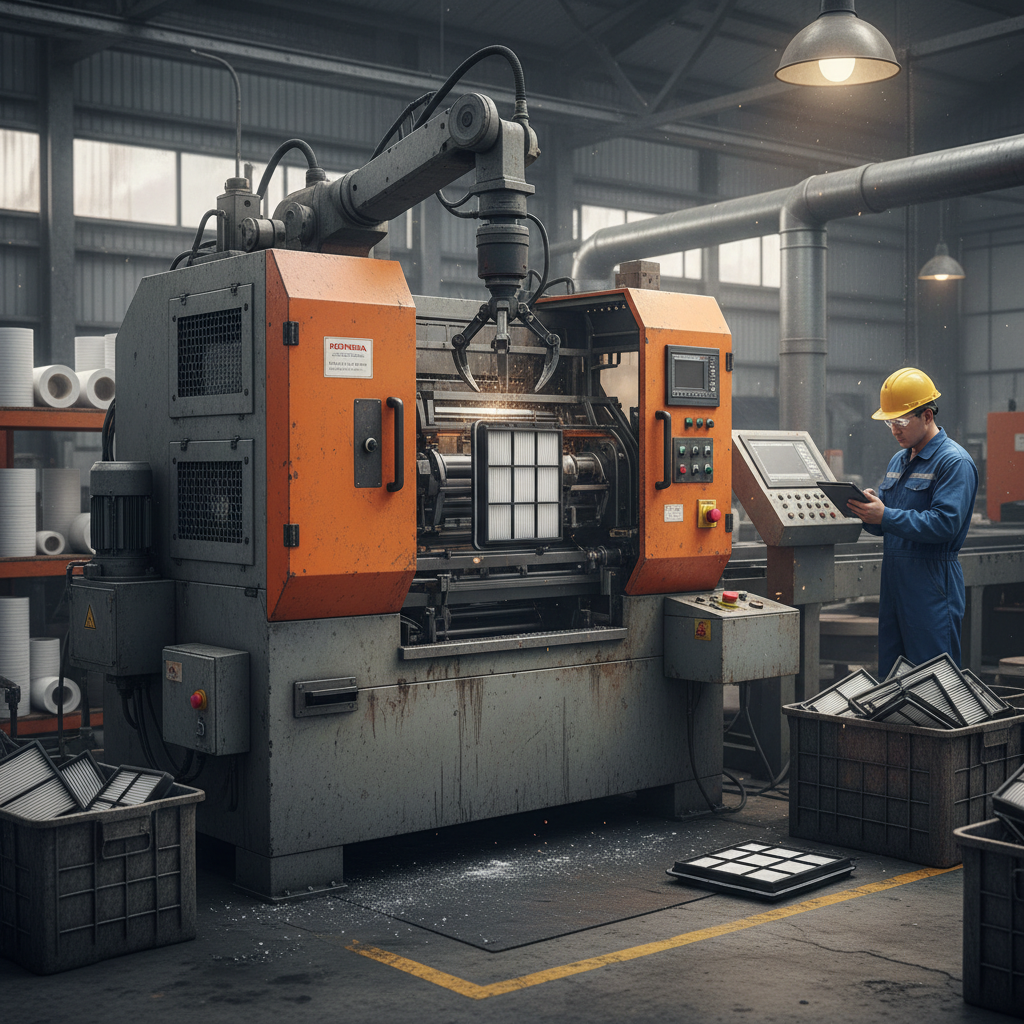
Lab tests are fine, but they don't tell the whole story. I'm talking about real-world testing. We put filters in actual vehicles, driving them in different conditions – city streets, highways, dirt roads, even off-road. We measure particulate matter levels inside the cabin, track airflow rates, and monitor for odor breakthrough. That's the kind of data that matters.

We also do what we call “abuse testing.” We deliberately overload the filters with dust, pollen, and smoke to see how they hold up. We even simulate extreme temperatures and humidity levels. It's not pretty, but it's necessary. You gotta push these things to their limits to see where they fail.

And we don’t just rely on instruments. We have a panel of drivers who provide subjective feedback. Do they notice a difference in air quality? Is there any noticeable odor? Are they comfortable? Human perception is a powerful thing.

Unexpected User Behaviors and Practical Applications

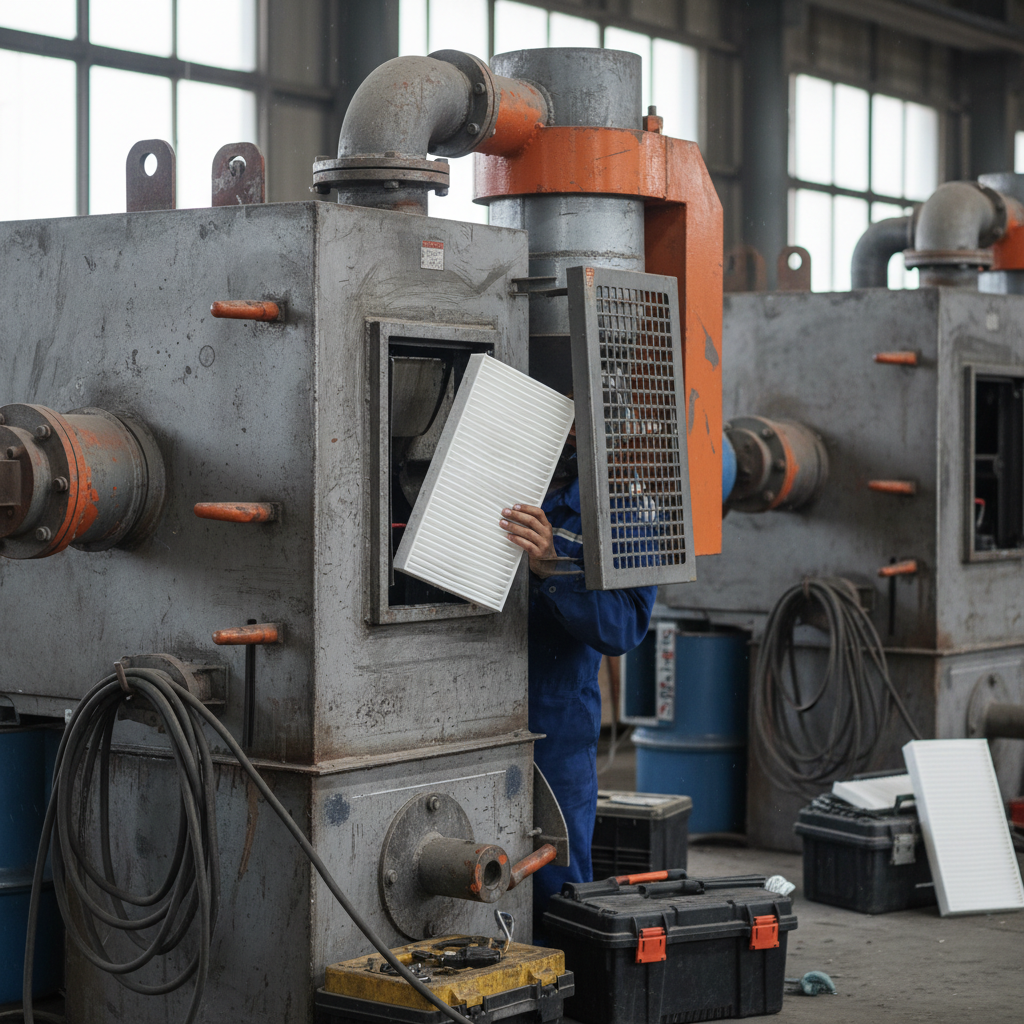
Here's where it gets interesting. You design a filter to be replaced every 12,000 miles, but people don’t follow the maintenance schedule. They drive 20,000, 30,000 miles, and then wonder why the airflow is weak. Or they use aftermarket filters that are cheaply made and don’t provide adequate protection.

I’ve also seen people try to wash and reuse cabin filters. Seriously! It just clogs up the media and makes the situation worse. You gotta educate the end-user, but it’s a losing battle sometimes.

Cabin Filter Performance Metrics


Advantages, Disadvantages, and Customization Options

The advantages are obvious: cleaner air, reduced allergens, improved comfort. But the disadvantages… well, they can be expensive, especially if you’re buying premium filters. And they need to be replaced regularly, which is another cost. The airflow restriction can be an issue, as we talked about.

As for customization, we've done some interesting projects. Last month, that small boss in Shenzhen who makes smart home devices insisted on changing the interface to . Said it matched his aesthetic. It added cost, complicated the design, and honestly didn't make a lick of difference to the performance. But hey, the customer is always right, right?

A Customer Story: The Debacle

Anyway, I think that thing was just him trying to show off. He wanted something different, something ‘premium’. It cost us a fortune to retool the production line, and the sales numbers didn't even budge. But he was happy, and that’s what matters, I guess. It's a reminder that sometimes, you just gotta nod and smile.

We did have one success story with customization, though. A company that makes electric buses asked us to develop a filter with a longer lifespan. They wanted to reduce maintenance costs, so we used a higher-grade media and a more robust frame. It worked out great. They saved money, and we got a good reference case.

It’s about finding the right balance between performance, cost, and customer needs. It's never easy.

Core Characteristics of Cabin Filter Designs

Filter Material Airflow Resistance (PSI) Particle Capture Efficiency (%) Estimated Lifespan (Miles)
Polypropylene 0.5 85 10,000
Activated Carbon 0.8 90 8,000
HEPA Media 1.2 99.97 12,000
Electrostatic Cotton 0.6 92 15,000
Multi-Layer Composite 1.0 95 18,000
Bio-Based Filter 0.7 88 12,000

FAQS

How often should I replace my cabin air filter?

Honestly, it depends. If you drive in a dusty environment, you’ll need to replace it more often. General rule of thumb is every 12,000 to 15,000 miles, or at least once a year. But if you notice reduced airflow or a musty smell, replace it sooner. Don’t wait until it’s completely clogged. You’ll regret it.

What's the difference between a HEPA filter and a standard cabin air filter?

HEPA filters are more effective at capturing very small particles, like bacteria and viruses. Standard filters mostly catch dust and pollen. If you have allergies or respiratory issues, a HEPA filter is a good investment. But they also tend to restrict airflow more, so you have to find the right balance. It’s not always a simple upgrade.

Can I wash and reuse my cabin air filter?

Absolutely not! You’ll ruin it. Washing will damage the media and make it less effective. Plus, you’ll introduce moisture, which can promote mold growth. Just replace it. They're relatively inexpensive, and it's not worth the risk. Trust me on this one.

Are expensive cabin filters always better?

Not necessarily. Price doesn’t always equate to performance. Some expensive filters are just marketing hype. Look for filters that are certified to meet industry standards and have good airflow ratings. Do your research and read reviews. Don't just fall for the flashy packaging.

How do I know if my cabin filter needs to be replaced?

Reduced airflow from your vents is a big sign. Also, if you notice a musty or foul odor, that's a clear indication. You might also see dust accumulating on the vents inside your car. Check your owner's manual for the recommended replacement schedule. But honestly, when in doubt, just replace it.

What materials are cabin filters typically made from?

Most cabin filters are made from polypropylene, activated carbon, or HEPA media. Some also use a combination of materials. Polypropylene is good for basic filtration, while activated carbon helps remove odors. HEPA media provides the highest level of filtration, capturing even the smallest particles. The quality of the materials and the construction of the filter are key.

Conclusion

So, ultimately, these cabin filters are more than just a piece of paper or fabric. They’re a crucial part of your car’s HVAC system, impacting your health, comfort, and even the longevity of your vehicle. It’s a deceptively complex little component, with a lot of nuance and a lot of room for things to go wrong. It’s not glamorous work, designing and testing these things, but somebody’s gotta do it.

And at the end of the day, whether this thing works or not, the worker will know the moment he tightens the screw. That’s what I always say. It’s a gut feeling, a sense of quality. You can run all the tests in the world, but you need someone who understands the real-world conditions to truly judge its worth. You can find the best cabin filter at cabin filter .


Daniel Brown

Daniel Brown

Daniel Brown is a Product Development Specialist at Annaite, specializing in cabin and fuel filter technologies. He works closely with the engineering team to expand our product range and develop custom filter solutions for OEM customers. Daniel’s role involves researching new materials, testing filter performance, and collaborating with suppliers to
Previous Optimizing Fuel Filter Design for Performance and Durability
Next The Critical Role of High Performance Oil Filter in Modern Engines