The car oil filter is a critical component in any internal combustion engine, acting as the first line of defense against damaging contaminants. Maintaining optimal engine performance and longevity hinges on the effective filtration provided by a quality car oil filter. Globally, the automotive industry’s continued growth, coupled with increasing demands for fuel efficiency and reduced emissions, drives the demand for advanced oil filtration technologies. Understanding the nuances of car oil filter selection and maintenance is crucial for vehicle owners, mechanics, and automotive engineers alike.
The global car oil filter market is substantial, driven by the sheer volume of vehicles on the road. Reports indicate a multi-billion dollar industry, with significant regional variations in demand based on vehicle ownership rates and maintenance practices. According to industry analysis, the Asia-Pacific region currently represents the largest market share, due to its burgeoning automotive sector. Ensuring access to reliable and high-performing car oil filter solutions is vital for sustaining this industry and minimizing environmental impact through extended engine life.
However, challenges exist, including the proliferation of counterfeit filters, increasing engine complexity demanding specialized filtration, and the growing emphasis on sustainable materials and manufacturing processes. Effectively addressing these challenges requires ongoing innovation and a commitment to quality within the car oil filter industry, safeguarding both engine performance and environmental responsibility.
The Importance of Car Oil Filters
A car oil filter’s primary function is to remove contaminants from the engine oil, preventing abrasive particles from causing wear and tear on vital engine components. These contaminants include dirt, metal shavings, carbon deposits, and combustion byproducts. Without a functioning car oil filter, these particles circulate through the engine, accelerating degradation and potentially leading to catastrophic failure.
Regular car oil filter replacement is crucial for maintaining engine health. Over time, the filter becomes clogged with contaminants, reducing oil flow and diminishing its filtering capacity. This can lead to increased engine wear, reduced fuel efficiency, and even engine overheating. Following the manufacturer's recommended oil and filter change intervals is a fundamental aspect of preventative vehicle maintenance.
Defining Car Oil Filters
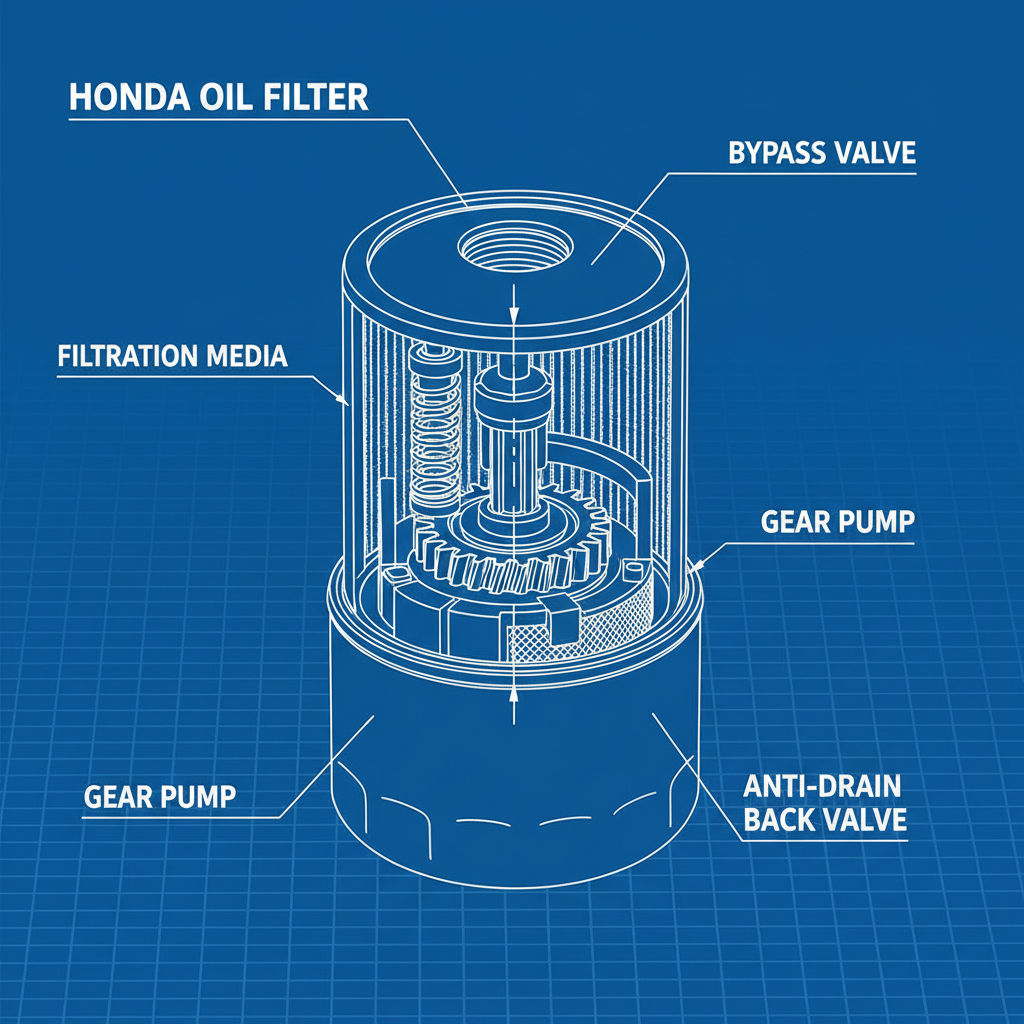
A car oil filter is a cylindrical device designed to remove particulate matter from engine oil. It typically consists of a metal housing, a filter element (often made of cellulose, synthetic fibers, or a combination of both), and various sealing components. The filter element acts as a physical barrier, trapping contaminants as oil flows through it. Modern car oil filter designs also incorporate anti-drainback valves to prevent oil from flowing back into the oil pan when the engine is off, ensuring immediate lubrication upon startup.
The modern car oil filter is directly tied to the evolution of the internal combustion engine. Early engines lacked effective filtration, resulting in rapid wear and short lifespans. The development of increasingly sophisticated filtration technologies has paralleled engine advancements, allowing for higher operating temperatures, increased power output, and extended engine life.
Understanding the role of the car oil filter is integral to the reliable operation of modern vehicles. It safeguards the investment in a vehicle, contributing to long-term value and minimizing the risk of costly repairs.
Key Components of a Car Oil Filter
The core of a car oil filter is its filter media. This can range from traditional cellulose to advanced synthetic materials. Cellulose filters are cost-effective but have limited capacity and can degrade quickly. Synthetic filters, on the other hand, offer superior filtration efficiency, higher capacity, and greater durability.
The filter housing provides structural support and creates a sealed environment for the filtration process. It's typically made of steel or aluminum and designed to withstand the pressure and temperatures of the engine oil system. The housing also features threaded connections for easy installation and removal.
Anti-drainback valves prevent oil from draining back into the oil pan when the engine is turned off, ensuring a quick and consistent oil supply upon restart. Bypass valves come into play when the filter becomes clogged, allowing oil to bypass the filter element and continue lubricating the engine, preventing oil starvation, though with reduced filtration.
Performance Metrics & Efficiency
Evaluating a car oil filter’s performance requires considering several key metrics. Beta ratio measures the filter's ability to capture particles of a specific size. A higher beta ratio indicates greater efficiency. Dirt-holding capacity refers to the amount of contaminants the filter can hold before becoming clogged.
Oil flow rate is another important factor; a good car oil filter should allow sufficient oil flow to meet the engine's lubrication needs without restricting pressure. Filter efficiency, expressed as a percentage, indicates the proportion of contaminants removed from the oil.
Car Oil Filter Performance Comparison
Global Applications of Car Oil Filters
Car oil filters are universally required in any vehicle with an internal combustion engine, spanning passenger cars, trucks, motorcycles, and heavy-duty equipment. Demand is directly correlated with vehicle ownership rates and usage patterns.
In industrialized nations with well-established automotive infrastructure, car oil filter replacement is typically performed as part of routine maintenance schedules. In developing countries, where vehicle maintenance may be less frequent, the need for durable and reliable car oil filter solutions is even more critical.
Benefits and Long-Term Value
Using a high-quality car oil filter provides significant long-term benefits. Reduced engine wear translates to extended engine life, minimizing the risk of costly repairs or premature replacement. Improved fuel efficiency, resulting from reduced friction, contributes to lower operating costs.
Investing in a superior car oil filter represents a proactive approach to vehicle maintenance, fostering confidence and peace of mind. The reliability and durability of a quality filter build trust in the vehicle's performance, enhancing the overall ownership experience.
Beyond the financial benefits, choosing a car oil filter with sustainable manufacturing practices contributes to environmental responsibility.
Future Trends in Car Oil Filter Technology
The future of car oil filter technology is poised for significant innovation. Advancements in materials science are leading to the development of filter media with even greater filtration efficiency and dirt-holding capacity. Nanotechnology holds promise for creating filters capable of capturing ultra-fine particles, offering enhanced engine protection.
The rise of electric vehicles (EVs) will impact the car oil filter market, but internal combustion engines will remain prevalent for decades. However, even EVs require filtration systems for other fluids, like transmission and coolant, creating new opportunities for filter manufacturers. Sustainable materials and biodegradable filter elements are gaining traction as manufacturers strive to reduce environmental impact.
Smart filters, equipped with sensors that monitor filter condition and oil quality, will enable predictive maintenance and optimize filter replacement intervals. This data-driven approach will further enhance engine performance and reduce operating costs.
Summary of Challenges and Solutions in Car Oil Filter Technology
| Challenge |
Impact on Car Oil Filter Performance |
Potential Solutions |
Implementation Cost (1-10) |
| Counterfeit Filters |
Reduced filtration efficiency, premature engine wear |
Enhanced authentication features, stricter supply chain control |
6 |
| Increasing Engine Complexity |
Demand for filters with finer filtration capabilities |
Development of advanced filter media (nanotechnology) |
8 |
| Environmental Concerns |
Pressure to reduce waste and use sustainable materials |
Biodegradable filter elements, recyclable materials |
7 |
| Filter Clogging |
Reduced oil flow, increased engine wear |
High-capacity filter media, optimized filter design |
5 |
| Bypass Valve Activation |
Reduced filtration during clogged conditions |
Smart filters with predictive maintenance capabilities |
9 |
| Oil Compatibility |
Filter degradation with certain oil formulations |
Development of filters compatible with a wide range of oils |
4 |
FAQS
Generally, you should change your car oil filter every time you change your oil, typically every 3,000 to 7,500 miles, depending on your vehicle’s manufacturer recommendations, driving conditions, and the type of oil used. Always consult your owner's manual for the specific interval. Using a high-quality car oil filter is crucial for maximizing its effectiveness and extending engine life. Regular checks and adherence to recommended maintenance schedules are essential for optimal performance.
The most common types of car oil filters include spin-on filters, cartridge filters, and bypass filters. Spin-on filters are the most widely used and are easily replaceable. Cartridge filters are typically found in newer vehicles and require a filter housing. Bypass filters are used to filter oil that bypasses the main filter when it becomes clogged, providing extra protection. The best type for your vehicle depends on the manufacturer’s specifications.
Synthetic car oil filters use advanced materials like microfiber or synthetic blends, offering superior filtration efficiency, higher dirt-holding capacity, and greater durability compared to conventional filters made from cellulose. Synthetic filters can withstand higher temperatures and provide better protection for modern engines. While more expensive upfront, they often offer a longer service life and better overall performance.
Signs of a clogged car oil filter include a drop in oil pressure, a flickering oil pressure warning light, engine noises (such as rattling or knocking), and reduced engine performance. If you suspect your filter is clogged, it’s crucial to replace it immediately to prevent engine damage. Regular oil and filter changes are the best way to avoid this issue.
Yes, using a cheap or low-quality car oil filter can significantly damage your engine. These filters often have poor filtration efficiency, low dirt-holding capacity, and may use inferior materials that can degrade quickly. This allows contaminants to circulate through the engine, causing wear and tear on critical components, potentially leading to costly repairs. Investing in a reputable brand and a filter designed for your vehicle is essential.
An anti-drainback valve is a crucial component in most car oil filters. It prevents oil from draining back into the oil pan when the engine is turned off, ensuring that oil is readily available to lubricate engine parts upon startup. This is particularly important for engines with horizontally mounted filters. Without a functioning anti-drainback valve, it can take longer for oil pressure to build up, leading to increased wear and tear during engine start-up.
Conclusion
In conclusion, the car oil filter is an indispensable component of any vehicle, safeguarding the engine from harmful contaminants and ensuring optimal performance. From its basic function of particle removal to the advanced technologies being developed, the car oil filter continues to evolve, driven by the demands of modern engines and the need for greater sustainability. Regularly maintaining and replacing your car oil filter is a small investment that yields significant long-term benefits.
Looking ahead, the future of car oil filter technology will be shaped by advancements in materials science, nanotechnology, and smart filtration systems. Choosing a high-quality car oil filter, coupled with adherence to manufacturer-recommended maintenance schedules, remains the most effective way to protect your engine and maximize its lifespan. For reliable and innovative car oil filter solutions, visit our website today: www.antfilter.com.