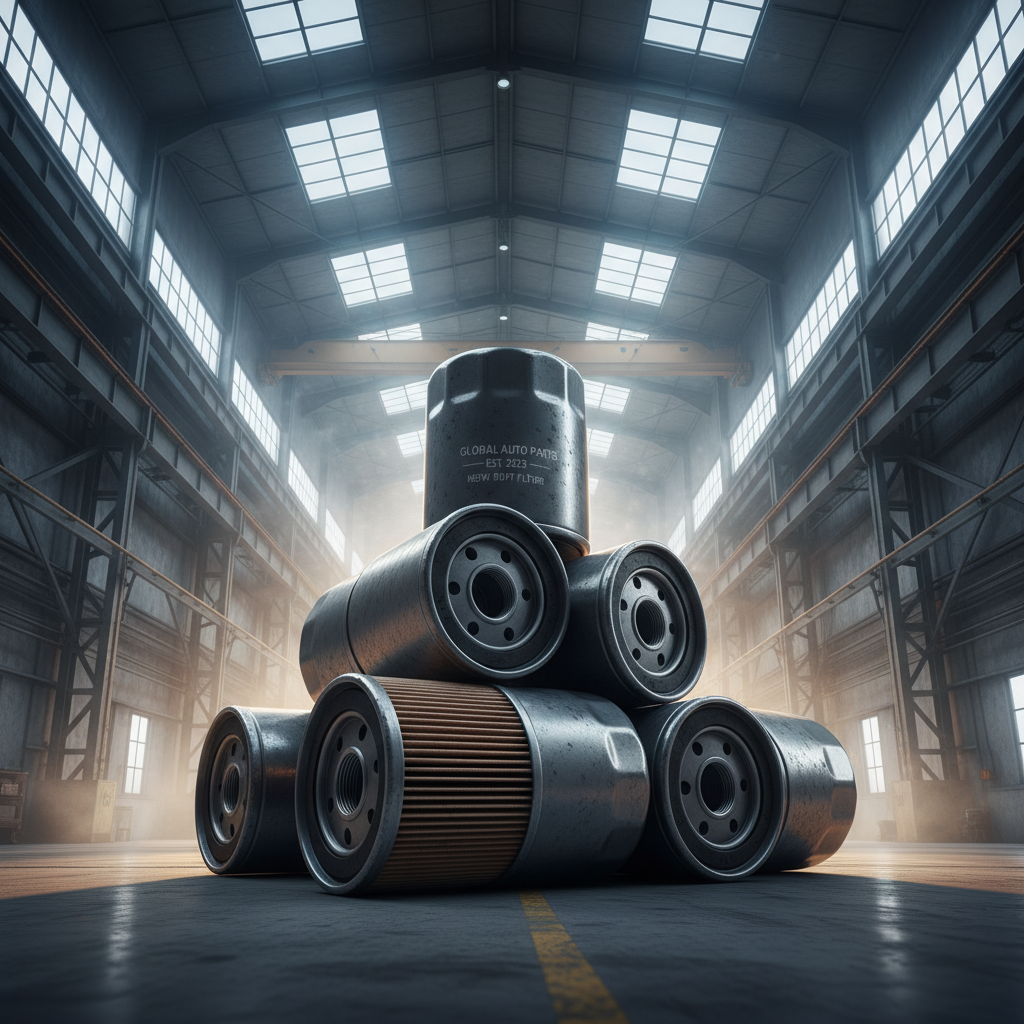
The automobile oil filter is a critical component in maintaining the health and longevity of any internal combustion engine. Its primary function is to remove contaminants from the engine oil, ensuring that vital engine parts receive clean lubrication. Without a properly functioning automobile oil filter, engine wear increases dramatically, potentially leading to costly repairs or even complete engine failure. This seemingly small part plays an enormous role in the performance, efficiency, and overall lifespan of vehicles worldwide.
Globally, the demand for high-quality automobile oil filters is substantial and consistently growing, driven by the sheer number of vehicles on the road and increasingly stringent emission standards. Automotive manufacturing hubs like China, Germany, Japan, and the United States are major producers and consumers, while developing nations experiencing rapid motorization also contribute significantly to market growth. The industry is constantly evolving, with advancements focusing on filter efficiency, durability, and environmentally friendly materials.
Understanding the importance of the automobile oil filter isn't merely for automotive professionals; it's essential for all vehicle owners. Regular oil and filter changes are fundamental to preventative maintenance, directly impacting vehicle reliability, fuel economy, and resale value. Choosing the right automobile oil filter for your specific vehicle and driving conditions is a crucial step in protecting your investment and ensuring safe, efficient operation.
The Importance of Automobile Oil Filters
An automobile oil filter isn't just a simple component; it's the first line of defense against engine wear and tear. As the engine operates, combustion byproducts, metallic particles from friction, and dirt enter the oil stream. These contaminants act as abrasive agents, accelerating wear on critical components like pistons, bearings, and camshafts. The automobile oil filter effectively traps these particles, preventing them from circulating and causing damage.
The selection of the correct automobile oil filter is paramount. Factors like filter media type (cellulose, synthetic, or blended), filter capacity, and bypass valve pressure all contribute to its effectiveness. Using a substandard or incorrect filter can compromise engine protection and potentially void warranty claims. Regularly replacing the automobile oil filter according to the vehicle manufacturer's recommendations is a crucial aspect of preventative maintenance.
Global Relevance and Industry Context
The automobile oil filter industry is a significant segment of the global automotive aftermarket, valued at billions of dollars annually. According to a 2023 report by Market Research Future, the global automotive filter market is projected to reach USD 25.6 billion by 2030, growing at a CAGR of 4.2% from 2022 to 2030. This growth is fuelled by increasing vehicle production, rising disposable incomes in emerging economies, and stricter environmental regulations.
Key players in the industry include MANN+HUMMEL, Bosch, Mahle, Denso, and Purolator. These companies invest heavily in research and development to create more efficient and durable automobile oil filters. The trend toward extended oil drain intervals and the increasing use of synthetic oils are driving innovation in filter media technology.
A challenge facing the industry is the proliferation of counterfeit automobile oil filters. These substandard products often lack the necessary filtration capabilities and can cause significant engine damage. Consumer awareness and robust supply chain management are critical to combating this issue.
Defining the Automobile Oil Filter
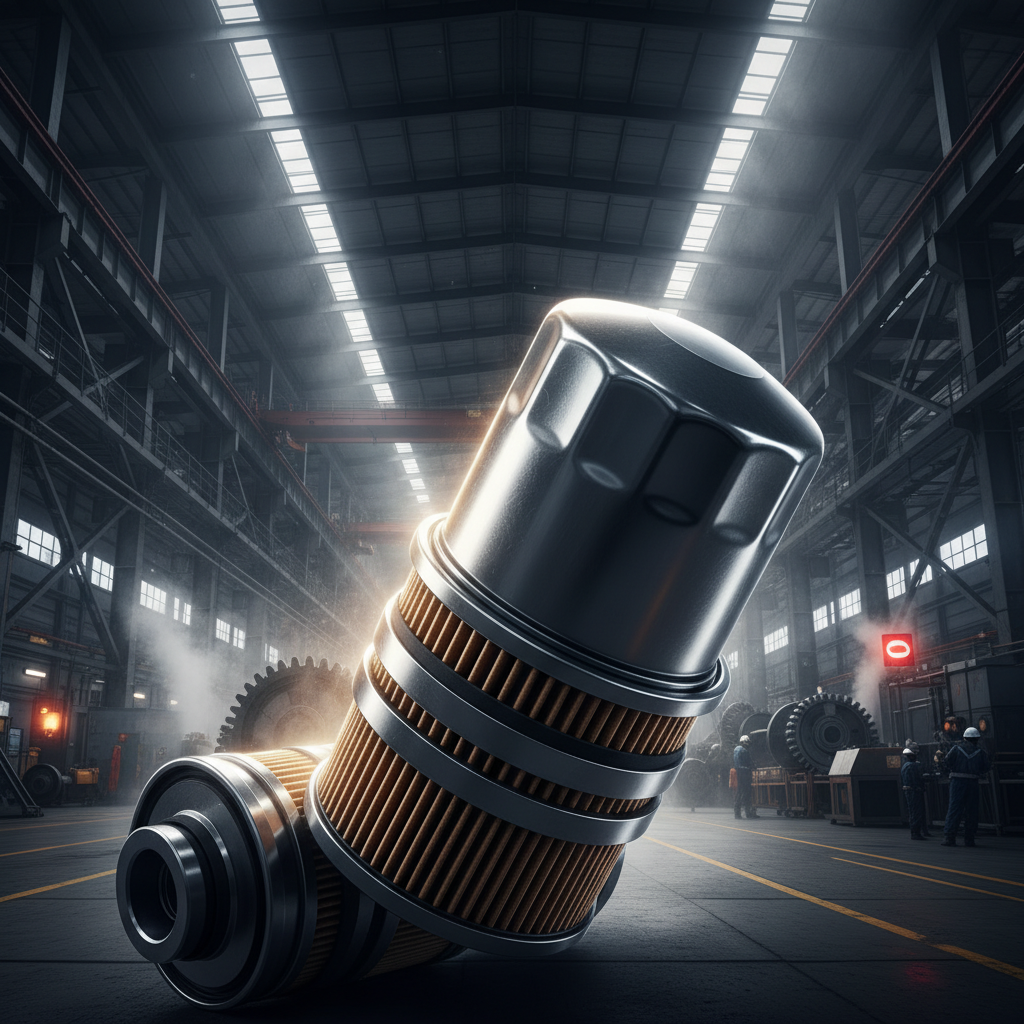
In its simplest form, an automobile oil filter is a cylindrical container designed to remove contaminants from engine oil. It consists of a housing, filter media, anti-drainback valve, and bypass valve. The filter media – typically made of cellulose, synthetic fibers, or a blend – traps particles as oil flows through it. The anti-drainback valve prevents oil from flowing back into the engine when it’s shut off, ensuring immediate lubrication upon startup.
The automobile oil filter’s connection to modern industry extends beyond just vehicle maintenance. The principles of filtration and separation used in oil filters are applied in numerous other fields, including industrial machinery, aerospace, and even medical equipment. The need for efficient and reliable filtration systems is universal, and the advancements in oil filter technology often translate into improvements in these other areas.
Its impact on humanitarian needs, while indirect, is significant. By extending the life of vehicles, automobile oil filters contribute to the reliability of transportation systems used for delivering essential supplies and services in disaster-stricken areas or remote communities. A well-maintained vehicle is less likely to break down, ensuring uninterrupted assistance to those in need.
Key Factors in Automobile Oil Filter Performance
Several key factors determine the effectiveness of an automobile oil filter. Filtration Efficiency is paramount – the ability to capture and retain a high percentage of harmful particles. This is often measured in microns, with lower micron ratings indicating finer filtration.
Filter Capacity refers to the amount of contaminants the filter can hold before becoming clogged. A higher capacity means longer service intervals. Flow Rate is also crucial; the filter must allow sufficient oil flow to meet the engine's demands, especially during cold starts.
Comparison of Automobile Oil Filter Characteristics
Global Applications of Automobile Oil Filters
The need for reliable automobile oil filters extends across all corners of the globe. In North America and Europe, they are essential for maintaining the performance of passenger vehicles, commercial trucks, and heavy machinery. In rapidly developing countries like India and Brazil, the demand is driven by a surge in vehicle ownership and industrial growth.
In remote industrial zones, such as mining operations in Australia or construction sites in Southeast Asia, durable and high-capacity automobile oil filters are critical for ensuring the uninterrupted operation of heavy-duty equipment. These filters must withstand harsh conditions and extended service intervals.
Advantages and Long-Term Value
Investing in quality automobile oil filters delivers tangible benefits. The primary advantage is cost savings through reduced engine wear and fewer repairs. A properly functioning filter prevents expensive damage to critical engine components, extending the vehicle's lifespan and reducing the total cost of ownership.
Beyond cost, there’s the sustainability aspect. Extending engine life reduces the need for premature vehicle replacement, minimizing waste and conserving resources. Reliable automobile oil filters also contribute to vehicle safety by preventing engine failure on the road, and build trust between the vehicle owner and the manufacturer.
Future Trends and Innovations in Automobile Oil Filter Technology
The future of automobile oil filter technology is focused on several key areas. Nanomaterials are being explored to create filter media with even finer filtration capabilities and increased capacity. Smart filters equipped with sensors can monitor oil condition and filter performance, providing real-time data to the vehicle's onboard diagnostics system.
Another trend is the development of biodegradable filter media, reducing the environmental impact of disposal. The increasing adoption of electric vehicles will inevitably impact the automobile oil filter industry, but filters will still be needed for components like transmissions and cooling systems.
Challenges and Solutions
Despite advancements, several challenges remain in the automobile oil filter industry. One key issue is the disposal of used filters, which contain hazardous materials. Developing effective recycling programs and biodegradable filter media are crucial for addressing this environmental concern.
Another challenge is ensuring consistent filter quality and combating the proliferation of counterfeit products. Implementing stricter quality control measures, utilizing advanced anti-counterfeiting technologies, and raising consumer awareness are essential steps in mitigating this risk.
Finally, optimizing filter performance for the latest engine technologies, such as those used in hybrid and electric vehicles, requires ongoing research and development. Collaboration between filter manufacturers, automotive engineers, and research institutions is vital for overcoming these challenges and driving innovation.
Summary of Key Challenges and Potential Solutions in Automobile Oil Filter Technology
| Challenge |
Impact on Performance |
Potential Solution |
Implementation Cost (1-10) |
| Counterfeit Filters |
Reduced Filtration Efficiency, Engine Damage |
Advanced Anti-Counterfeiting Technologies |
7 |
| Filter Disposal |
Environmental Pollution, Resource Depletion |
Biodegradable Filter Media & Recycling Programs |
6 |
| Evolving Engine Tech |
Decreased Filtration Effectiveness |
Continuous R&D and Material Innovation |
8 |
| Filter Clogging |
Reduced Oil Flow, Increased Engine Wear |
High-Capacity Filter Designs |
5 |
| Maintaining Oil Pressure |
Engine component wear |
Improve the bypass valve design |
4 |
| Filter Bypass Issues |
Compromised Filtration, Contaminated Oil |
Enhanced Bypass Valve Calibration |
6 |
FAQS
The frequency of automobile oil filter changes depends on several factors, including your vehicle's make and model, the type of oil you use (conventional or synthetic), and your driving conditions. Generally, it’s recommended to change the filter every time you change your oil, typically between 3,000 and 7,500 miles. Consult your vehicle’s owner’s manual for specific recommendations. Using a high-quality automobile oil filter is crucial, especially for extended oil drain intervals.
Conventional automobile oil filters typically use cellulose media, which is effective for basic filtration. Synthetic filters, on the other hand, utilize a blend of synthetic fibers, offering superior filtration efficiency and capacity. They can capture smaller particles and last longer, making them ideal for vehicles using synthetic oil and for those who drive in harsh conditions. Synthetic filters generally cost more upfront but can save money in the long run by extending oil change intervals.
The micron rating of an automobile oil filter indicates the size of particles it can effectively remove. A lower micron rating means the filter can capture smaller particles, providing better protection against engine wear. For example, a 10-micron filter can remove particles 10 micrometers in size and larger. Higher quality filters typically have lower micron ratings, offering superior filtration.
Several symptoms can indicate a clogged automobile oil filter. These include a decrease in engine oil pressure, unusual engine noises, a loss of engine power, and a check engine light illuminating on your dashboard. If you experience any of these symptoms, it's crucial to inspect and replace your oil filter immediately to prevent engine damage. Regular oil and filter changes are the best way to avoid this problem.
Not necessarily. While price can sometimes correlate with quality, it’s not always the determining factor. It’s more important to choose an automobile oil filter that meets or exceeds the specifications recommended by your vehicle manufacturer. Look for filters from reputable brands and consider factors like filtration efficiency, capacity, and construction quality rather than solely focusing on price. A properly specified, moderately priced filter can often provide excellent protection.
No, it is not recommended to use just any automobile oil filter. Different vehicles have different oil filter requirements based on engine design, oil flow rates, and other factors. Using an incorrect filter can lead to reduced filtration efficiency, insufficient oil flow, and potential engine damage. Always refer to your vehicle’s owner’s manual or a reliable parts catalog to determine the correct oil filter for your specific vehicle.
Conclusion
In conclusion, the automobile oil filter is an indispensable component of modern vehicle maintenance, playing a vital role in engine longevity, performance, and sustainability. Understanding its function, key performance factors, and future trends is crucial for both automotive professionals and vehicle owners alike. Choosing the right automobile oil filter and adhering to recommended maintenance schedules are fundamental to protecting your investment and ensuring reliable transportation.
Looking ahead, continued innovation in filter technology, coupled with a growing emphasis on environmental responsibility, will drive further advancements in this field. By embracing these advancements and prioritizing preventative maintenance, we can maximize the efficiency and lifespan of our vehicles while minimizing their environmental impact. Visit our website at www.antfilter.com to learn more about our range of high-quality automobile oil filters.