The humble passenger car oil filter is a critical component in maintaining the longevity and efficiency of modern vehicles. Beyond simply removing contaminants, a quality oil filter protects the engine’s vital parts from wear and tear, ensuring optimal performance and reducing costly repairs. Understanding the nuances of passenger car oil filter technology, from filtration efficiency to material composition, is crucial for both automotive professionals and everyday vehicle owners.
The global automotive industry relies heavily on consistently high-performing passenger car oil filters. With an ever-increasing number of vehicles on the road – estimates exceeding 1.4 billion worldwide – the demand for these filters is substantial. According to industry reports, the automotive oil filter market is projected to continue growing, driven by factors like extended oil drain intervals and the need for improved engine protection.
The importance of a reliable passenger car oil filter extends beyond individual vehicle performance. Improper filtration can lead to increased emissions, reduced fuel economy, and ultimately, premature engine failure. Addressing these concerns with advanced filter designs and materials is vital for environmental sustainability and responsible automotive maintenance.
The Fundamental Role of Passenger Car Oil Filters
Passenger car oil filters are designed to remove contaminants from engine oil, preventing abrasive particles from circulating and causing wear to critical engine components. These contaminants include dirt, metal shavings, carbon deposits, and other byproducts of combustion. A properly functioning passenger car oil filter is paramount to maintaining engine health and performance.
The effectiveness of a passenger car oil filter is determined by its ability to capture and retain these contaminants while maintaining adequate oil flow. Different filter designs and materials offer varying levels of filtration efficiency and capacity, influencing the overall lifespan and protection provided to the engine.
Defining the Passenger Car Oil Filter
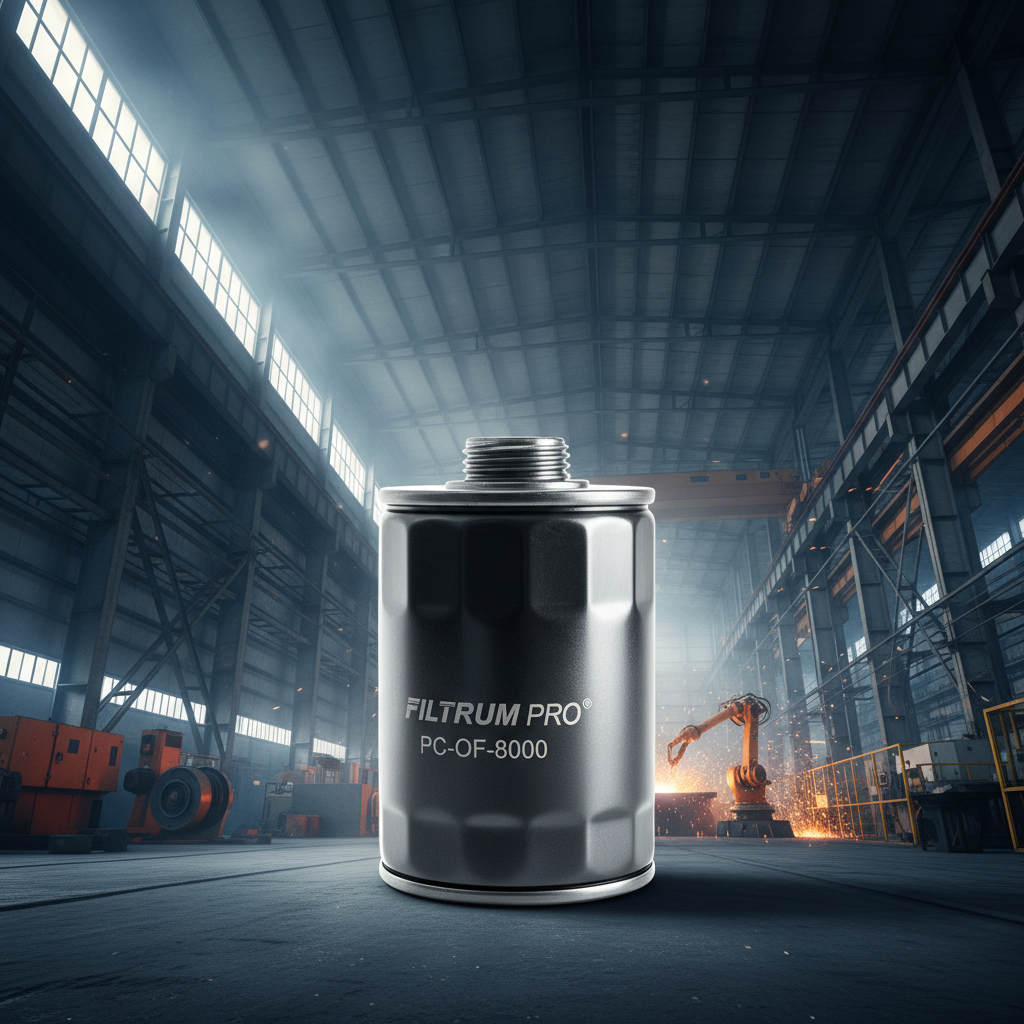
A passenger car oil filter is a cylindrical device, typically constructed from metal and filtration media, designed to remove impurities from engine oil. It functions as a barrier, allowing clean oil to circulate through the engine while trapping harmful contaminants. Its primary role is to safeguard the engine from premature wear, ensuring its longevity and optimal performance.
The modern passenger car oil filter is a far cry from its early predecessors. Advancements in materials science and engineering have led to increasingly sophisticated filter designs capable of capturing smaller particles and maintaining consistent oil flow rates. This is integral to modern engine requirements.
In essence, the passenger car oil filter acts as the engine’s primary line of defense against internal damage, playing a critical role in the overall health and reliability of the vehicle.
Core Components and Material Science
The core of any passenger car oil filter is its filtration media, commonly composed of cellulose, synthetic fibers, or a blend of both. Cellulose filters are a cost-effective option, offering adequate filtration for standard applications. However, synthetic filters, often utilizing polypropylene or glass fibers, provide superior filtration efficiency and durability, capturing smaller particles and withstanding higher temperatures.
Beyond the media itself, the filter’s housing – typically constructed from steel or aluminum – provides structural support and ensures proper sealing. Internal components, such as bypass valves and anti-drainback valves, play critical roles in maintaining oil pressure and preventing dry starts. The quality of these materials directly impacts the filter’s performance and longevity.
Recent advancements also focus on incorporating innovative materials like nanofiber media, which offer exceptionally high filtration efficiency. The selection of appropriate materials for each component is crucial for achieving optimal performance and durability in the demanding environment of an engine’s oil system.
Performance Metrics and Filtration Efficiency
Evaluating the performance of a passenger car oil filter involves assessing several key metrics. Filtration efficiency, measured in microns, indicates the filter’s ability to capture particles of a specific size. A lower micron rating signifies a higher level of filtration. Beta ratio is another critical measure, representing the filter’s ability to capture a specific percentage of particles at a given size.
Oil flow rate is also paramount; a filter must provide sufficient oil flow to the engine under all operating conditions. Dust holding capacity, which defines the amount of contaminant the filter can hold before becoming clogged, influences the filter’s service life.
Passenger Car Oil Filter Performance Comparison
Global Applications in Automotive Maintenance
The application of passenger car oil filters is ubiquitous across the globe, integral to the maintenance schedules of virtually all internal combustion engine vehicles. Automotive repair shops, dealerships, and DIY vehicle owners all rely on these filters to protect engines and maintain performance.
In regions with harsh operating conditions – such as dusty environments or areas with extreme temperatures – the demand for high-quality passenger car oil filters is particularly strong. Regular filter replacement is essential to prevent premature engine wear and maintain vehicle reliability.
Furthermore, the rise of extended oil drain intervals, facilitated by advancements in oil and filter technology, has increased the importance of selecting filters with adequate dust holding capacity and long-term durability.
Advantages of High-Quality Passenger Car Oil Filters
Investing in a high-quality passenger car oil filter delivers a multitude of benefits. These include extended engine life, improved fuel economy, reduced emissions, and enhanced vehicle reliability. By effectively removing contaminants, a premium filter minimizes wear and tear on critical engine components, preventing costly repairs.
Beyond the tangible benefits, a high-quality passenger car oil filter provides peace of mind. Knowing your engine is adequately protected offers a sense of confidence and reduces the risk of unexpected breakdowns. This translates to long-term cost savings and a more enjoyable driving experience.
Future Trends and Innovation in Oil Filtration
The future of passenger car oil filtration is focused on developing even more efficient and sustainable solutions. Advancements in nanofiber technology promise to deliver filters with exceptionally high filtration efficiency and increased dust holding capacity.
Biodegradable and recyclable filter materials are also gaining traction, driven by growing environmental concerns. Smart filters, equipped with sensors to monitor filter condition and oil quality, are emerging as a potential game-changer, enabling predictive maintenance and optimized filter replacement intervals.
These innovations will undoubtedly shape the future of oil filtration, contributing to cleaner, more efficient, and more reliable vehicles.
Challenges and Solutions
One of the ongoing challenges in passenger car oil filtration is balancing filtration efficiency with oil flow rate. Highly efficient filters can sometimes restrict oil flow, potentially leading to reduced oil pressure. Manufacturers address this by optimizing filter design and employing advanced materials that maximize both filtration and permeability.
Another challenge is the proliferation of counterfeit filters, which often fail to meet quality standards and can compromise engine protection. Consumers can mitigate this risk by purchasing filters from reputable suppliers and verifying product authenticity.
Furthermore, the need for more sustainable filter materials is driving research into biodegradable and recyclable alternatives, contributing to a more environmentally responsible automotive industry.
Summary of Key Challenges and Solutions in Passenger Car Oil Filter Technology
| Challenge |
Impact on Performance |
Potential Solutions |
Implementation Difficulty (1-10) |
| Balancing Filtration & Flow |
Reduced Oil Pressure, Engine Wear |
Optimized Filter Design, Advanced Materials |
7 |
| Counterfeit Products |
Compromised Engine Protection, Premature Failure |
Verified Suppliers, Authenticity Checks |
5 |
| Sustainability of Materials |
Environmental Impact, Waste Generation |
Biodegradable/Recyclable Materials |
8 |
| Maintaining Consistent Quality |
Variable Filtration Performance |
Rigorous Quality Control Procedures |
6 |
| Adapting to New Engine Technologies |
Filter Incompatibility, Reduced Effectiveness |
Continuous Research & Development |
7 |
| Cost Optimization |
Balancing Price & Performance |
Efficient Manufacturing Processes |
4 |
FAQS
Generally, you should change your passenger car oil filter with every oil change. While modern filters have improved, they become less effective over time as they accumulate contaminants. Most manufacturers recommend oil and filter changes every 5,000 to 7,500 miles for conventional oil, and every 7,500 to 10,000 miles for synthetic oil. However, always consult your vehicle’s owner’s manual for specific recommendations.
Conventional oil filters typically use cellulose media, which offers adequate filtration for standard driving conditions. Synthetic oil filters, on the other hand, employ synthetic fibers like polypropylene or glass, providing superior filtration efficiency, increased capacity, and better resistance to high temperatures. Synthetic filters are often recommended for vehicles using synthetic oil and those operating in harsh conditions.
While aftermarket passenger car oil filters are available, it’s generally best to use a filter that meets or exceeds your vehicle manufacturer’s specifications. Using an incompatible filter can potentially lead to reduced oil flow, inadequate filtration, and even engine damage. Always verify that the filter you choose is designed for your specific vehicle make and model.
The micron rating of a passenger car oil filter indicates the size of particles it can effectively capture. A lower micron rating means the filter can trap smaller particles, providing better filtration. However, a very low micron rating can sometimes restrict oil flow. The ideal micron rating depends on the vehicle’s engine and oil type.
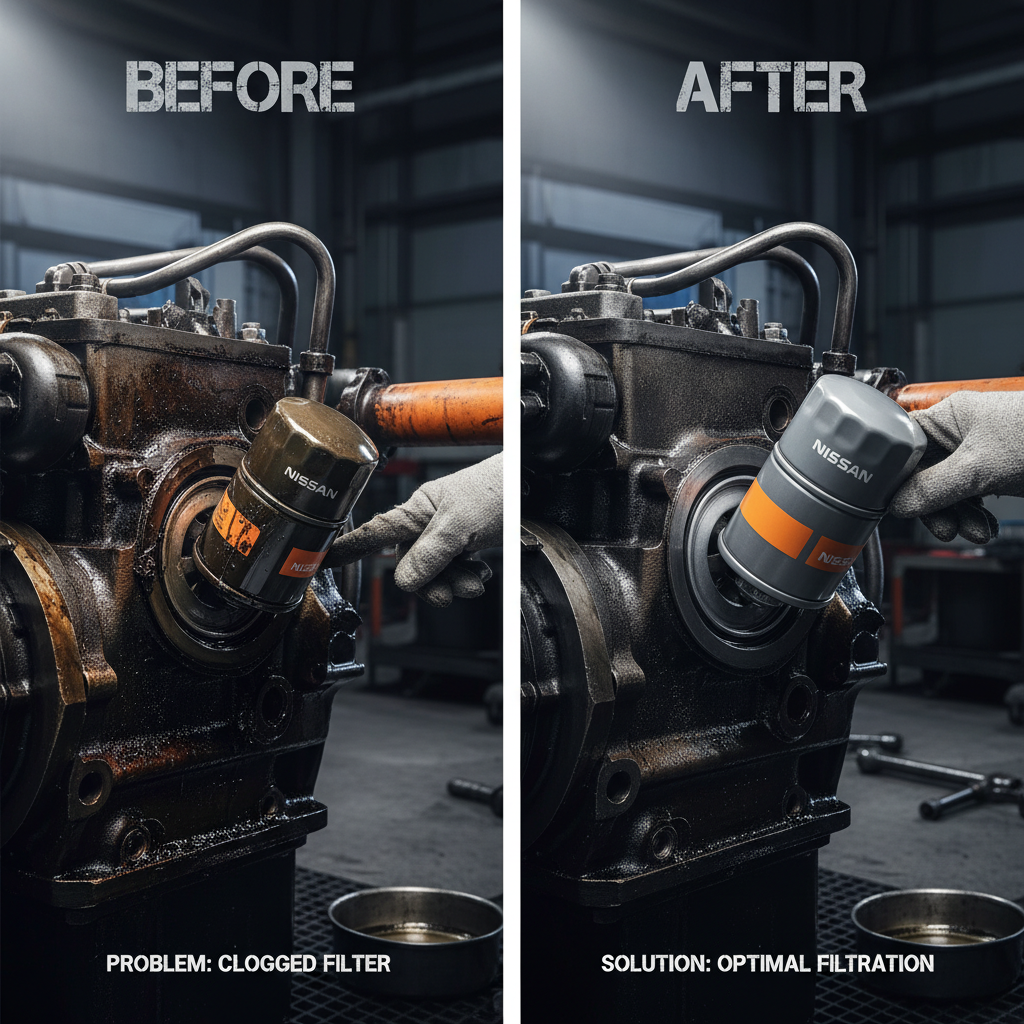
Signs of a clogged passenger car oil filter include reduced engine oil pressure, a whining noise from the engine, and decreased engine performance. If you suspect your filter is clogged, it’s essential to replace it immediately to prevent engine damage. Regular oil and filter changes are the best way to avoid this issue.
Yes, there's a growing trend towards environmentally friendly passenger car oil filters. Some manufacturers are now offering filters made with biodegradable or recyclable materials. These filters help reduce the environmental impact of automotive maintenance and contribute to a more sustainable industry.
Conclusion
In conclusion, the passenger car oil filter is an indispensable component in maintaining engine health, maximizing vehicle performance, and ensuring long-term reliability. From its core function of removing contaminants to advancements in material science and filtration technology, the passenger car oil filter plays a crucial role in the modern automotive landscape. Investing in a high-quality filter and adhering to recommended maintenance schedules is essential for protecting your engine and maximizing your vehicle's lifespan.
Looking ahead, innovation in oil filtration will continue to drive improvements in efficiency, sustainability, and performance. The development of smart filters and eco-friendly materials promises to reshape the industry, contributing to a cleaner, more efficient, and more reliable future for automotive transportation. To learn more about selecting the right passenger car oil filter for your vehicle, visit our website: www.antfilter.com