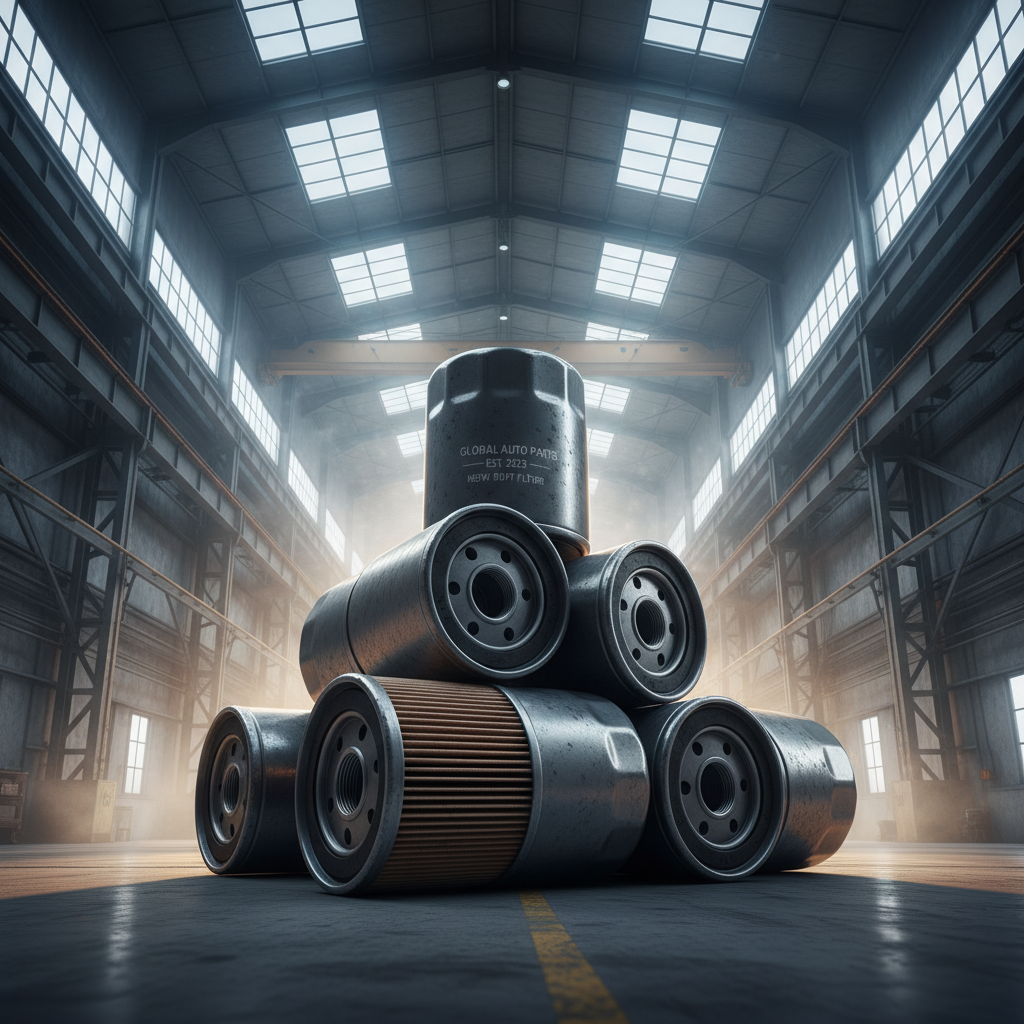
The oil filter element is a critical component in countless internal combustion engines, playing a pivotal role in ensuring optimal performance and longevity. From automobiles to heavy machinery, the consistent and effective filtration provided by these elements protects vital engine parts from abrasive contaminants, ultimately reducing wear and tear and maximizing operational efficiency. Understanding the nuances of oil filter element design, material science, and application is paramount for industries reliant on dependable mechanical systems.
Globally, the demand for high-quality oil filter elements is consistently high, driven by the expanding automotive industry, particularly in emerging markets, and the continued operation of existing infrastructure. The market is projected to experience steady growth, fueled by advancements in filtration technology and a growing awareness of the importance of preventive maintenance. Regulations surrounding emissions and engine efficiency are also driving demand for increasingly sophisticated oil filter elements.
A properly functioning oil filter element isn't merely about extending an engine’s life; it’s about safeguarding significant investments and maintaining operational continuity. The consequences of neglecting proper filtration can range from reduced performance and increased fuel consumption to catastrophic engine failure, making the oil filter element a deceptively small component with a massive impact.


At its core, the oil filter element's function is to remove contaminants from the engine oil, maintaining its lubricating properties and protecting critical engine components. These contaminants, including dirt, metal particles, and combustion byproducts, can cause significant wear and reduce engine efficiency if left unchecked. The oil filter element acts as a crucial barrier, ensuring the oil remains clean and capable of effectively lubricating and cooling the engine.
The importance of a high-quality oil filter element extends beyond preventing engine damage. Clean oil also contributes to improved fuel economy, reduced emissions, and a longer overall engine lifespan. Choosing the right oil filter element – one that balances filtration efficiency with flow rate – is therefore a critical decision for vehicle owners and fleet managers alike.
The lifespan of an oil filter element varies greatly depending on driving conditions, oil type, and filter quality. As a general rule, most manufacturers recommend changing the oil and filter every 3,000 to 7,500 miles. However, severe driving conditions, such as frequent stop-and-go traffic or towing heavy loads, may require more frequent changes. Regularly checking your vehicle’s owner’s manual is crucial for determining the appropriate service interval. Choosing a high-quality oil filter element can also extend its lifespan, offering better protection and longer service intervals.
Conventional oil filter elements typically use cellulose-based media, offering adequate filtration for standard driving conditions. Synthetic oil filter elements, on the other hand, utilize synthetic fibers or a blend of synthetic and cellulose media, providing superior filtration efficiency, higher capacity, and improved durability. Synthetic filters are better suited for vehicles using synthetic oil, as they can handle the oil's unique properties and provide optimal protection. They also tend to perform better in extreme temperatures and with longer oil change intervals.
Selecting the correct oil filter element is vital for ensuring optimal engine protection. Consult your vehicle's owner's manual or a trusted automotive parts retailer to determine the specific filter required for your make and model. Pay attention to the filter's thread size, gasket diameter, and filtration efficiency. Consider your driving habits; if you frequently drive in severe conditions, opting for a higher-quality, synthetic filter is advisable. oil filter element offer a wide variety of options.
Neglecting to change your oil filter element regularly can lead to a buildup of contaminants in the oil, reducing its lubricating properties and causing increased engine wear. This can result in decreased fuel efficiency, reduced engine performance, and eventually, costly repairs or even engine failure. A clogged filter can also restrict oil flow, potentially damaging critical engine components. Regular oil and filter changes are a proactive investment in your vehicle's longevity.
Using a non-OEM oil filter element is generally acceptable as long as it meets or exceeds the specifications outlined in your vehicle’s owner’s manual. Many aftermarket filter manufacturers produce high-quality filters that offer comparable or even superior performance to OEM filters. However, it’s crucial to ensure the filter is specifically designed for your vehicle’s make and model and meets the required filtration standards. Researching reputable brands and reading customer reviews can help you make an informed decision.
A full-flow oil filter element directs all of the engine oil through the filter medium, providing comprehensive filtration. A bypass filter, however, allows a small portion of the oil to bypass the filter, ensuring oil flow even if the filter becomes clogged. Most vehicles utilize a full-flow filter, while some heavy-duty applications may incorporate a bypass filter as a supplementary measure. The combination of both provides a robust filtration system that protects the engine under a wide range of operating conditions.
The oil filter element, despite its relatively small size, plays an absolutely critical role in ensuring the longevity, efficiency, and reliability of internal combustion engines. From protecting against abrasive wear to optimizing fuel economy and reducing emissions, the benefits of a high-quality oil filter element are undeniable. Understanding its function, key characteristics, and future trends is essential for anyone involved in automotive maintenance, fleet management, or engine design.
Investing in a superior oil filter element isn't merely a cost-saving measure; it's a commitment to safeguarding a significant investment and minimizing environmental impact. As technology continues to advance, we can expect to see even more sophisticated filtration solutions emerge, further enhancing engine protection and promoting sustainable practices. Visit our website at www.antfilter.com to explore our comprehensive range of high-performance oil filter elements.