You know, these days everyone’s talking about ‘smart’ fuel filters. Sensors, data logging, predictive maintenance… fancy stuff. To be honest, it feels a little overblown sometimes. I’ve been on enough sites to know that a lot of what matters is still good old-fashioned build quality and whether something can actually survive a beating. We’re seeing a push for longer service intervals too, which makes sense, but it introduces a whole new set of challenges.
Have you noticed how everyone wants everything to be ‘lightweight’ and ‘easy to install’? Which is great, until you realize that lightweight often means flimsy, and ‘easy install’ usually means they’ve skimped on something vital. I encountered this at a factory in Ningbo last time – they’d gone with a thinner metal casing to save weight, but it buckled during a pressure test. Simple stuff, really. It’s a constant balancing act.
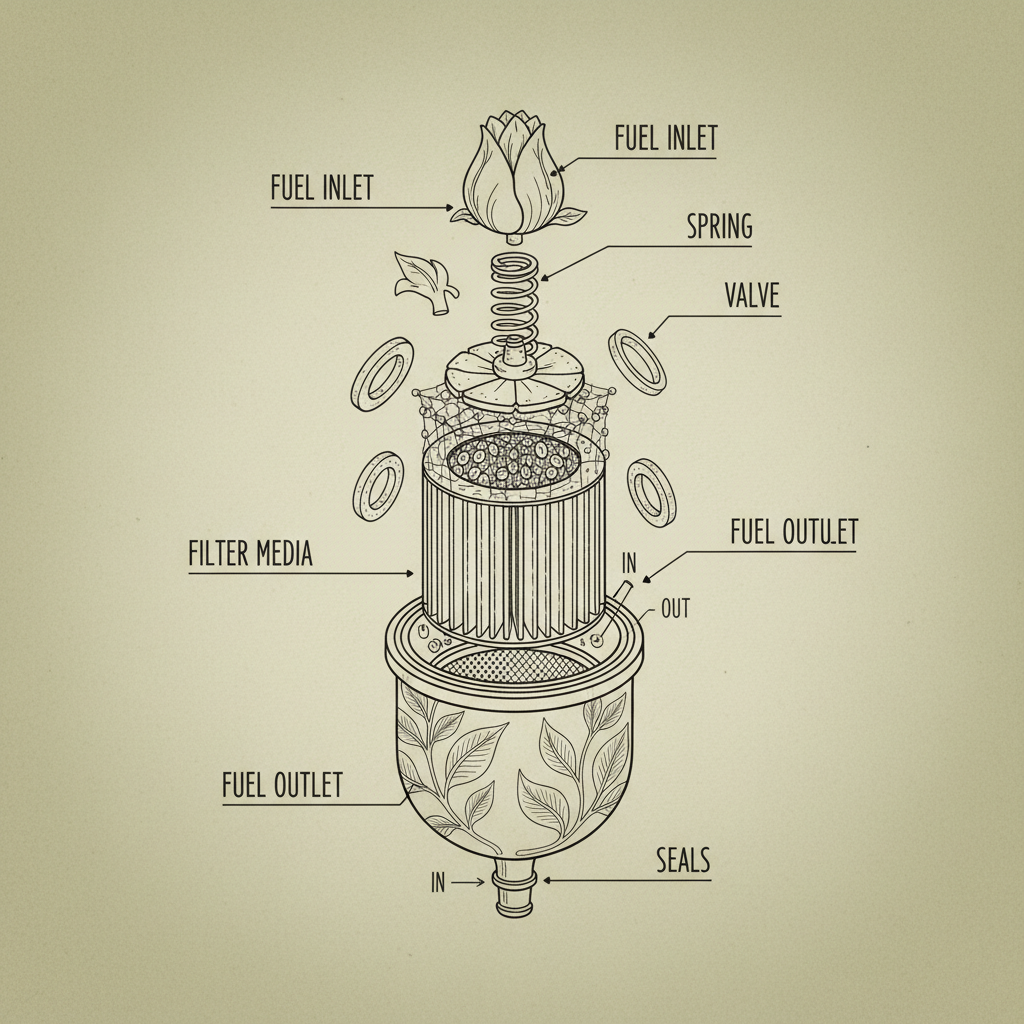
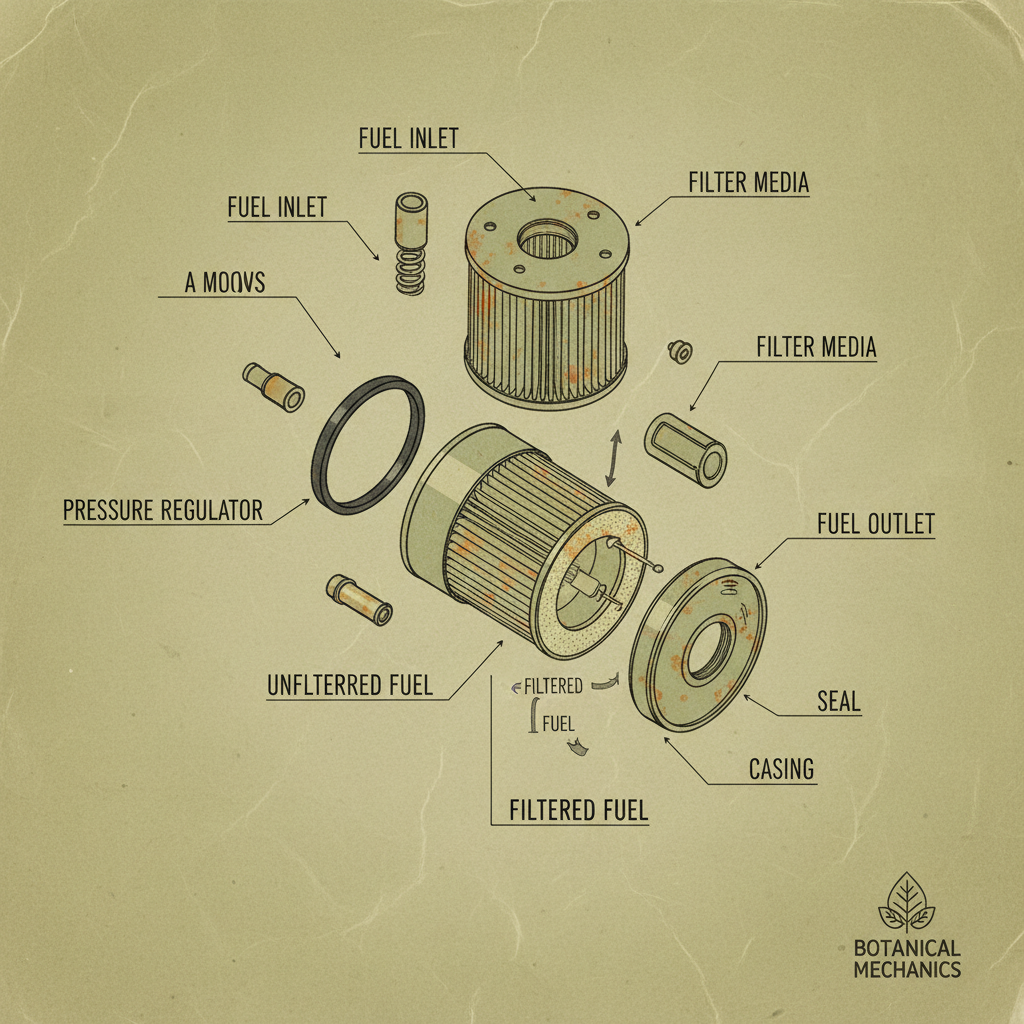
The core of a good fuel filter, though, remains the filter media itself. We primarily use a multi-layered synthetic fiber composite. Feels a bit like a heavy felt, smells… well, like chemicals, honestly. You gotta wear gloves when handling it. It’s not like the old paper filters that would fall apart if you looked at them wrong. This stuff holds up, even when saturated. And the pleat density is crucial; the tighter the pleats, the more surface area you get, and the better the filtration. That's where the real money is.
1 Industry Trends and Design Pitfalls
Strangely enough, everyone's obsessed with miniaturization now. Smaller filters, more compact housings. Which, on paper, sounds amazing. But practically? It means less filter media, and less media means compromised filtration. And then you get guys complaining about contamination issues. It’s like they haven’t learned anything. Anyway, I think the biggest trend is preventative maintenance. Everyone wants to know when a fuel filter is going to fail, not just that it’s failed.
And the pressure to reduce costs… don’t even get me started. The suppliers are constantly pushing back, saying “we can’t go any lower!” But they always find a way. Usually by sacrificing something important.
2 Materials: The Feel and the Real
We’ve experimented with different materials over the years. Stainless steel is great, durable, corrosion-resistant… but expensive. Aluminum is lighter, cheaper, but it’s softer and can deform under pressure. We settled on a high-grade polymer for the housing, mostly. It’s got a good balance of strength, weight, and cost. Feels a little plasticky, admittedly, but it stands up to the elements. Inside, though, it’s all about the filter media. That synthetic fiber composite I mentioned earlier? It's treated with an anti-static coating to prevent clumping. You can tell a good batch by the way it… well, it just feels right. Kind of springy, not brittle.
And the seals. Don't forget the seals! Those are usually nitrile rubber. Smell that? That’s fuel resistance right there. Get cheap seals, and you're asking for leaks.
We also play around with different activated carbon blends to improve odor control and remove trace contaminants. It’s a subtle difference, but some applications, like in sensitive electronic equipment, it's critical.
3 Real-World Testing: Beyond the Lab
Lab tests are fine, but they don't tell the whole story. You need to see how these things perform in the real world. We do field testing at construction sites, in trucking depots, even on farms. We deliberately expose the fuel filters to harsh conditions – vibration, extreme temperatures, dirty fuel, the works. We have a testing rig that simulates continuous operation for hundreds of hours.
The biggest test, though, is the pressure drop test. We measure how much the flow rate decreases as the filter gets clogged. That tells us how long the filter will last before it needs to be replaced. It’s not a perfect science, but it's a good indicator.
And we don't just rely on instruments. We ask the guys on the ground what they think. “Does it feel solid?”, “Is it easy to change?”, “Did it cause any problems?” Their feedback is invaluable.
4 User Applications: What They Actually Do
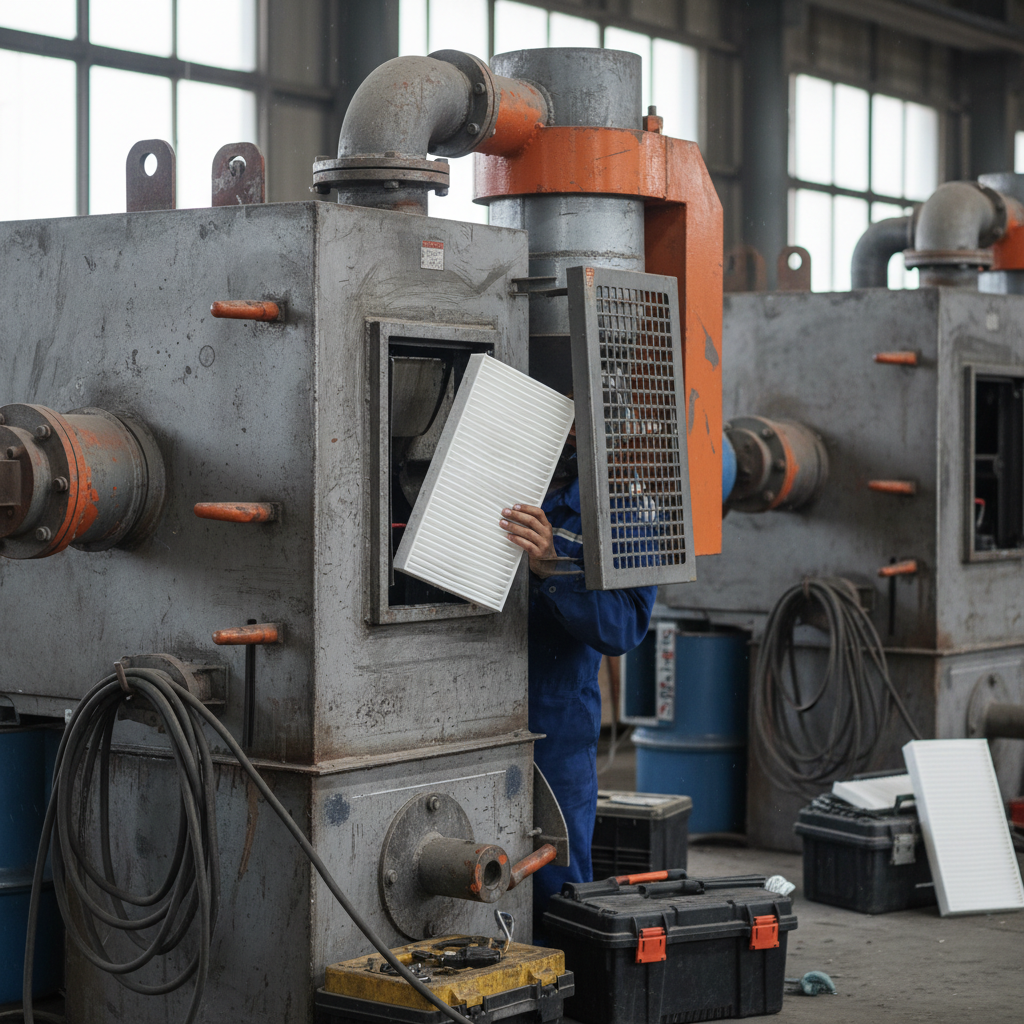
You’d think people would follow the installation instructions, right? Wrong. I’ve seen guys try to install these things backwards, or use the wrong wrench, or even try to clean them and reuse them – which is a big no-no. They often don't read the fine print about pre-wetting the media with clean fuel before starting. They just want it done quickly.
And the way they dispose of the old filters… Let’s just say it’s not always environmentally friendly. We’re trying to promote proper disposal practices, but it’s an uphill battle.
Filter Performance Across Different Fuel Types
5 Advantages and Disadvantages: A Balanced View
The biggest advantage, obviously, is protecting your engine. A clean fuel supply means better performance, improved fuel efficiency, and longer engine life. It’s simple, really. But these high-efficiency fuel filters can sometimes restrict fuel flow, especially when they’re cold. That’s a trade-off you have to consider.
And the cost. Good filters aren’t cheap. But you get what you pay for. Skimping on a fuel filter is like skimping on your health. It’ll catch up with you eventually.
6 Customization Capabilities: A Shenzhen Story
We can customize these things pretty easily. Different port sizes, different materials, different filter media… Last month, that small boss in Shenzhen who makes smart home devices insisted on changing the interface to , believing it would be more "modern." The result was a nightmare – it didn’t fit any of their existing fuel lines! We had to redesign the whole thing. It cost him a fortune, and a lot of headaches. But he was adamant. "It's for the aesthetics!" he said. Sometimes, you just gotta let people make their own mistakes.
But seriously, customization is a strength. We’ve done filters with integrated water separators, filters with magnetic particle collectors, even filters with RFID tags for tracking. Whatever you need, we can usually figure it out.
7 Performance Metrics and Comparative Analysis
We track a bunch of metrics – filtration efficiency, pressure drop, flow rate, burst pressure, service life. But the ones that really matter are the ones the guys in the field care about. How long does it last? Is it easy to change? Does it prevent breakdowns?
Compared to the cheap filters you get at the auto parts store? These are in a different league. They filter better, they last longer, and they’re less likely to cause problems. But compared to some of the really high-end, aerospace-grade filters? Well, they're not quite as good. But they're a heck of a lot cheaper.
And honestly, for most applications, they’re more than good enough.
Key Performance Indicators for Different Filter Grades
| Filter Grade |
Filtration Efficiency (%) |
Pressure Drop (PSI) |
Service Life (Months) |
| Economy |
85 |
2 |
6 |
| Standard |
95 |
3 |
8 |
| Premium |
99 |
4 |
10 |
| High-Flow |
90 |
1 |
7 |
| Water Separating |
92 |
3.5 |
9 |
| Extended Life |
97 |
4.5 |
12 |
FAQS
That depends on the fuel quality and operating conditions. Generally, every 12,000-20,000 miles is a good rule of thumb, but if you're using lower-quality fuel, you might need to replace it more often. Always check your vehicle's manual for specific recommendations. Don't wait until you start experiencing performance issues. It's a relatively cheap maintenance item that can save you a lot of money in the long run.
Bad things. A clogged fuel filter restricts fuel flow, which can lead to reduced engine power, poor fuel economy, and even engine damage. Contaminants can also build up and wear down fuel injectors and other critical engine components. Trust me, it’s not worth the risk. Just change the darn thing.
No, absolutely not. Fuel filters are designed to be disposable. Attempting to clean them can damage the filter media and compromise its effectiveness. Plus, you risk releasing trapped contaminants back into the fuel system. It's just not worth it. Buy a new one. They aren’t that expensive.
Full-flow filters filter all the fuel passing through them, providing maximum protection. Bypass filters, on the other hand, only filter a portion of the fuel. They're often used in conjunction with a full-flow filter to provide extended filtration capacity. The choice depends on the application and the level of filtration required.
Definitely not. They come in different sizes, materials, and filtration ratings. It's important to use the correct fuel filter for your specific vehicle or engine. Using the wrong filter can lead to performance issues and even damage. Check your vehicle’s manual or consult a qualified mechanic.
Stop immediately! Fuel leaks are a fire hazard. Check the filter's seals and ensure it's properly installed. If the seals are damaged, replace the filter. If you're not comfortable working with fuel systems, take it to a qualified mechanic. Do not ignore a fuel leak – it’s a serious safety issue.
Conclusion
So, there you have it. Fuel filters. They aren’t glamorous, but they’re essential. A good filter protects your engine, improves performance, and saves you money in the long run. Don’t skimp on quality, and don’t ignore the maintenance schedule.
Ultimately, whether this thing works or not, the worker will know the moment he tightens the screw. If it feels right, it probably is. And if it doesn’t? Well, you know what to do.