The quality of air we breathe inside our vehicles is often overlooked, yet it significantly impacts our health and well-being. A car cabin filter plays a crucial role in purifying this air, removing dust, pollen, pollutants, and even odors. Understanding the function and importance of these filters is paramount, especially as vehicle usage increases globally and concerns about air quality grow. Regular replacement of the car cabin filter ensures optimal performance and maintains a healthy in-cabin environment for drivers and passengers.
The global automotive industry is experiencing rapid growth, particularly in emerging markets. With this expansion comes a greater demand for vehicle comfort and safety features, including effective air filtration systems. Increasingly stringent emissions regulations also contribute to the need for high-quality car cabin filters that can effectively capture harmful particles. This isn't just a matter of comfort anymore; it's a critical health concern, particularly for individuals with respiratory sensitivities.
The market for car cabin filters is directly linked to vehicle production and ownership rates, making it a substantial and continuously evolving industry. Advancements in filter technology, such as the incorporation of activated carbon and HEPA filters, are further driving demand as consumers become more aware of the benefits of superior air quality in their vehicles.
The Significance of Car Cabin Filters
A car cabin filter is more than just a component; it's a vital part of a vehicle’s health system. It safeguards passengers from a range of airborne contaminants, enhancing driving comfort and promoting respiratory health. Without a functioning filter, pollutants can readily enter the vehicle cabin, leading to allergies, asthma exacerbations, and other health issues.
The increasing awareness of indoor air quality, coupled with the rising prevalence of allergies and respiratory problems, has significantly elevated the importance of car cabin filters. Modern filters are designed to capture not only dust and pollen but also microscopic particles like PM2.5, which are known to have detrimental effects on cardiovascular and respiratory systems.
Global Context and Automotive Air Quality
Globally, air pollution is a growing concern, particularly in urban areas. Vehicle emissions contribute significantly to this pollution, and even with advancements in engine technology, particulate matter and harmful gases remain a challenge. Consequently, the demand for effective car cabin filters is increasing, particularly in densely populated cities and regions with poor air quality.
According to the World Health Organization (WHO), approximately 99% of the global population breathes air that exceeds WHO air quality guidelines. This underscores the critical need for effective filtration systems, not only in industrial settings but also in personal vehicles. The automotive industry is responding by developing more sophisticated car cabin filter technologies to address these concerns.
The ISO 16889 standard specifies the performance requirements for car cabin filters, ensuring that they meet certain efficiency levels in capturing particles of various sizes. Adherence to this standard is crucial for manufacturers and ensures that consumers receive a product that effectively protects their in-cabin air quality.
Defining the Car Cabin Filter
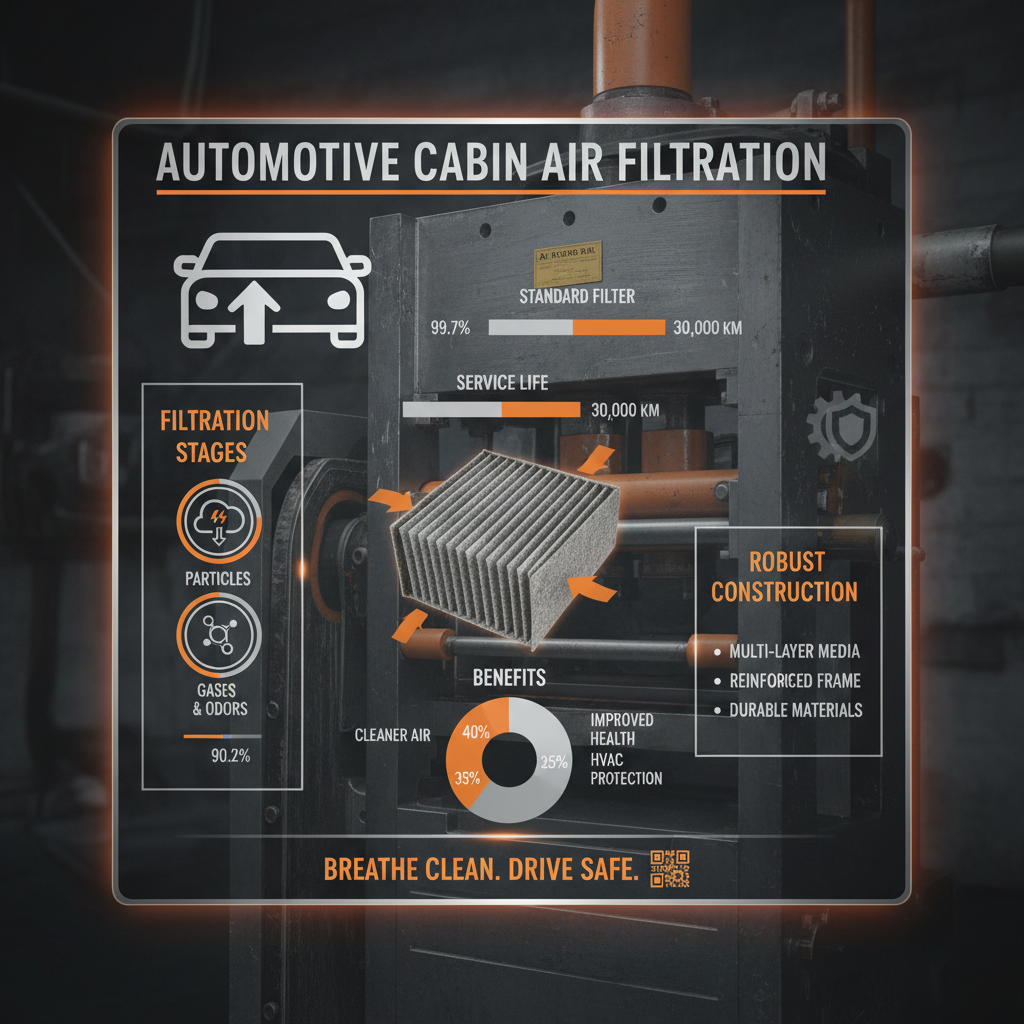
A car cabin filter is a filtration device typically made of pleated paper, synthetic fibers, or activated carbon, designed to clean the air that enters the passenger compartment of a vehicle. Its primary function is to remove dust, pollen, mold spores, bacteria, and other airborne particles, ensuring cleaner and healthier air for occupants.
The car cabin filter works by forcing air through its filtering medium, trapping contaminants while allowing clean air to pass through. Modern filters often incorporate layers of different materials, such as electrostatic fibers, to enhance their filtration efficiency and capture even smaller particles. Some also include activated carbon to absorb odors and harmful gases.
This seemingly simple component connects directly to modern health and safety concerns. As vehicles become increasingly sealed to improve fuel efficiency and reduce noise, the reliance on the car cabin filter to maintain a healthy in-cabin environment becomes even more critical.
Key Factors in Car Cabin Filter Performance
Several factors contribute to the overall performance of a car cabin filter. These include filtration efficiency, airflow resistance, dust holding capacity, and lifespan. Each aspect plays a role in ensuring optimal air quality and system longevity.
Filtration efficiency refers to the filter's ability to capture particles of different sizes. Airflow resistance indicates how easily air can pass through the filter; a lower resistance ensures that the vehicle's HVAC system operates efficiently.
Car Cabin Filter Performance Metrics
Applications and Global Impact
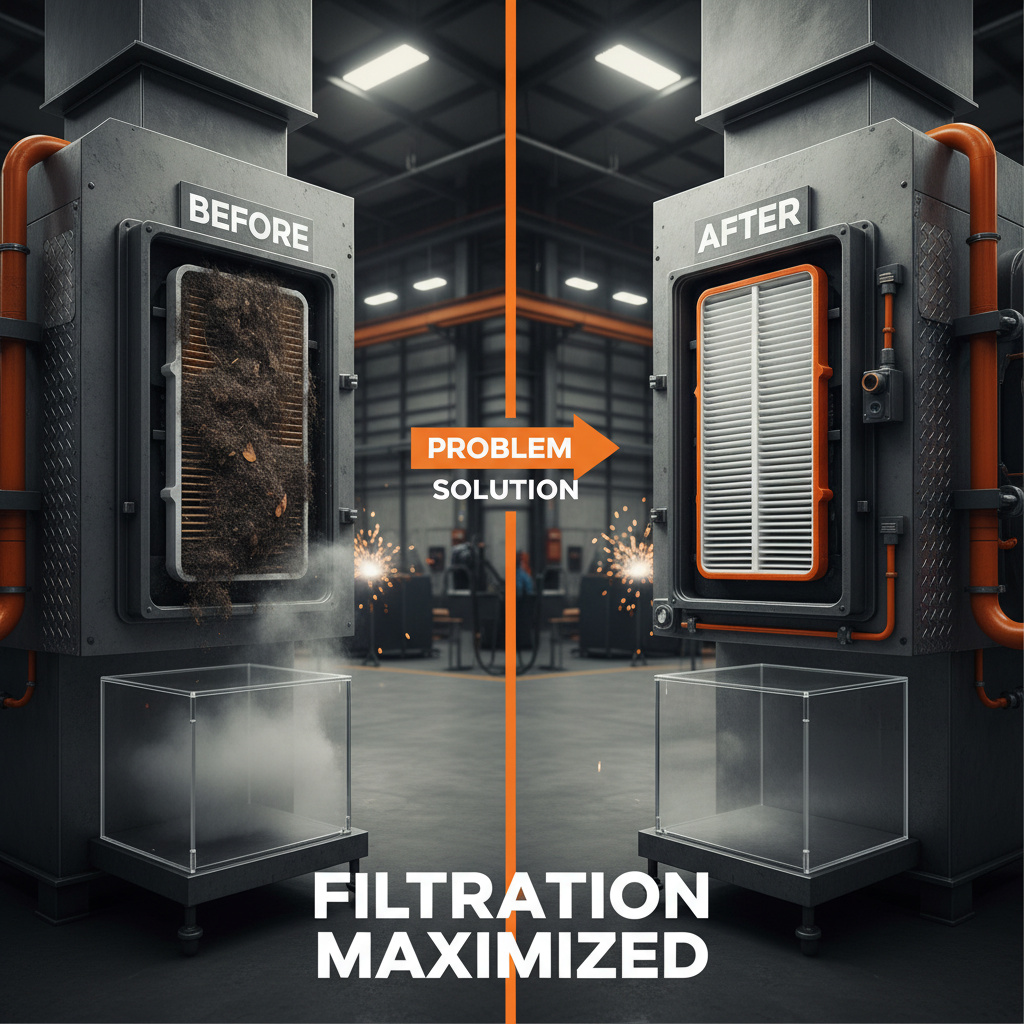
Car cabin filters are utilized in virtually all modern vehicles, from passenger cars and trucks to buses and commercial fleets. Their application extends beyond simply improving air quality; they also contribute to the longevity of the vehicle’s HVAC system by preventing dust and debris from accumulating in the blower and evaporator core.
In regions with high levels of air pollution, such as major cities in China, India, and Mexico, the demand for high-efficiency car cabin filters is particularly strong. Automakers are increasingly offering premium filtration systems as standard equipment or optional upgrades to cater to these markets.
Advantages of High-Quality Filters
Investing in a high-quality car cabin filter offers numerous advantages. These include improved passenger health, enhanced comfort, and reduced HVAC system maintenance. A superior filter can significantly reduce allergens, pollutants, and odors, creating a more pleasant driving experience.
Furthermore, a properly functioning filter can contribute to fuel efficiency by reducing the strain on the HVAC system. A cleaner cabin also promotes better concentration for the driver, enhancing safety on the road.
From a long-term perspective, the cost of replacing a car cabin filter is minimal compared to the potential healthcare expenses associated with exposure to airborne pollutants.
Future Trends and Innovation in Filtration
The future of car cabin filter technology is focused on enhancing filtration efficiency, reducing airflow resistance, and incorporating smart features. Researchers are exploring new materials, such as nanofiber membranes and bio-based filters, to improve performance and sustainability.
The integration of sensors and connectivity is also emerging as a trend. Smart filters equipped with sensors can monitor air quality and filter life, alerting drivers when it's time for a replacement. This data can also be used to optimize HVAC system performance and personalize cabin air settings.
Sustainable materials and manufacturing processes are gaining importance, driven by increasing environmental awareness and stricter regulations. Biodegradable and recyclable filter materials are expected to become more prevalent in the coming years.
Summary of Car Cabin Filter Evaluation Factors
| Filter Type |
Filtration Efficiency (%) |
Airflow Resistance (mbar) |
Lifespan (Miles) |
| Standard Paper Filter |
60-70 |
10-15 |
12,000 |
| Activated Carbon Filter |
75-85 |
15-20 |
15,000 |
| HEPA Filter |
95-99 |
20-25 |
10,000 |
| Electrostatic Filter |
80-90 |
10-15 |
18,000 |
| Hybrid Filter (Carbon + HEPA) |
90-98 |
25-30 |
12,000 |
| Nanofiber Filter |
98-99.9 |
18-22 |
15,000 |
FAQS
Generally, it’s recommended to replace your car cabin filter every 12,000 to 15,000 miles, or once a year. However, this can vary depending on your driving conditions. If you frequently drive in dusty areas, heavily polluted cities, or have allergies, you may need to replace it more often—perhaps every 6,000 to 8,000 miles. A clogged car cabin filter can reduce airflow and strain your HVAC system.
Several signs can indicate a clogged car cabin filter. These include reduced airflow from your vents, a musty or moldy odor when you turn on the AC or heat, increased allergens in the cabin, and a noticeable decrease in the effectiveness of the defroster. These symptoms can negatively impact your comfort and potentially your health.
A standard car cabin filter primarily captures larger particles like dust and pollen. A HEPA (High-Efficiency Particulate Air) filter, however, is designed to capture 99.97% of particles 0.3 microns in size, including microscopic pollutants, bacteria, and viruses. HEPA filters offer superior air purification but may have slightly higher airflow resistance.
Yes, in many vehicles, replacing the car cabin filter is a relatively simple DIY task. The filter is typically located behind the glove compartment or under the dashboard. However, the exact location and replacement process vary depending on the vehicle make and model. Consult your vehicle’s owner’s manual for specific instructions. If you’re unsure, it’s best to have a professional mechanic handle the replacement.
Activated carbon filters are an excellent choice if you’re sensitive to odors or live in an area with high levels of smog or exhaust fumes. The activated carbon layer absorbs these harmful gases and unpleasant smells, providing cleaner and fresher air in the cabin. While they may be slightly more expensive than standard filters, the added benefits can be well worth the cost.
When selecting a car cabin filter, consider its filtration efficiency, airflow resistance, and compatibility with your vehicle model. Look for filters that meet or exceed industry standards, such as ISO 16889. Also, consider whether you need a standard filter, a HEPA filter, or one with activated carbon based on your specific needs and driving environment.
Conclusion
In conclusion, the car cabin filter is an essential component of modern vehicle health and occupant well-being. Its ability to remove harmful airborne particles, allergens, and odors significantly improves air quality inside the vehicle, contributing to a healthier and more comfortable driving experience. Understanding the importance of regular filter replacement and selecting a high-quality filter are crucial steps in maintaining a safe and enjoyable journey.
Looking ahead, continued innovation in filter technology promises even more effective and sustainable solutions. Smart filters with sensor technology and biodegradable materials will further enhance air quality and reduce environmental impact. Investing in a quality car cabin filter is an investment in your health, your vehicle’s longevity, and a cleaner future. Visit our website today to explore our range of car cabin filters: www.antfilter.com.