The toyota car oil filter is a crucial component in maintaining the health and longevity of any Toyota vehicle. Its primary function is to remove contaminants from the engine oil, ensuring optimal lubrication and reducing wear and tear on vital engine parts. Understanding the intricacies of these filters—from their construction and performance characteristics to proper maintenance and replacement schedules—is vital for any Toyota owner or mechanic seeking to maximize engine efficiency and prevent costly repairs.
The global automotive industry is experiencing significant growth, particularly in emerging markets. This growth directly correlates with an increased demand for quality automotive parts, including the toyota car oil filter. Manufacturers and suppliers are constantly innovating to meet evolving engine technologies and stricter emission standards, driving the need for increasingly sophisticated filtration systems. The market is competitive, with numerous brands vying for market share, emphasizing the importance of selecting a filter that meets or exceeds Toyota's stringent specifications.
Investing in a high-quality toyota car oil filter isn’t simply about engine protection; it’s about preserving the value of your vehicle and minimizing long-term maintenance costs. A clogged or ineffective filter can lead to reduced oil flow, overheating, and ultimately, catastrophic engine failure. Choosing the right filter, coupled with regular oil changes, represents a proactive approach to vehicle ownership and ensures a smoother, more reliable driving experience.
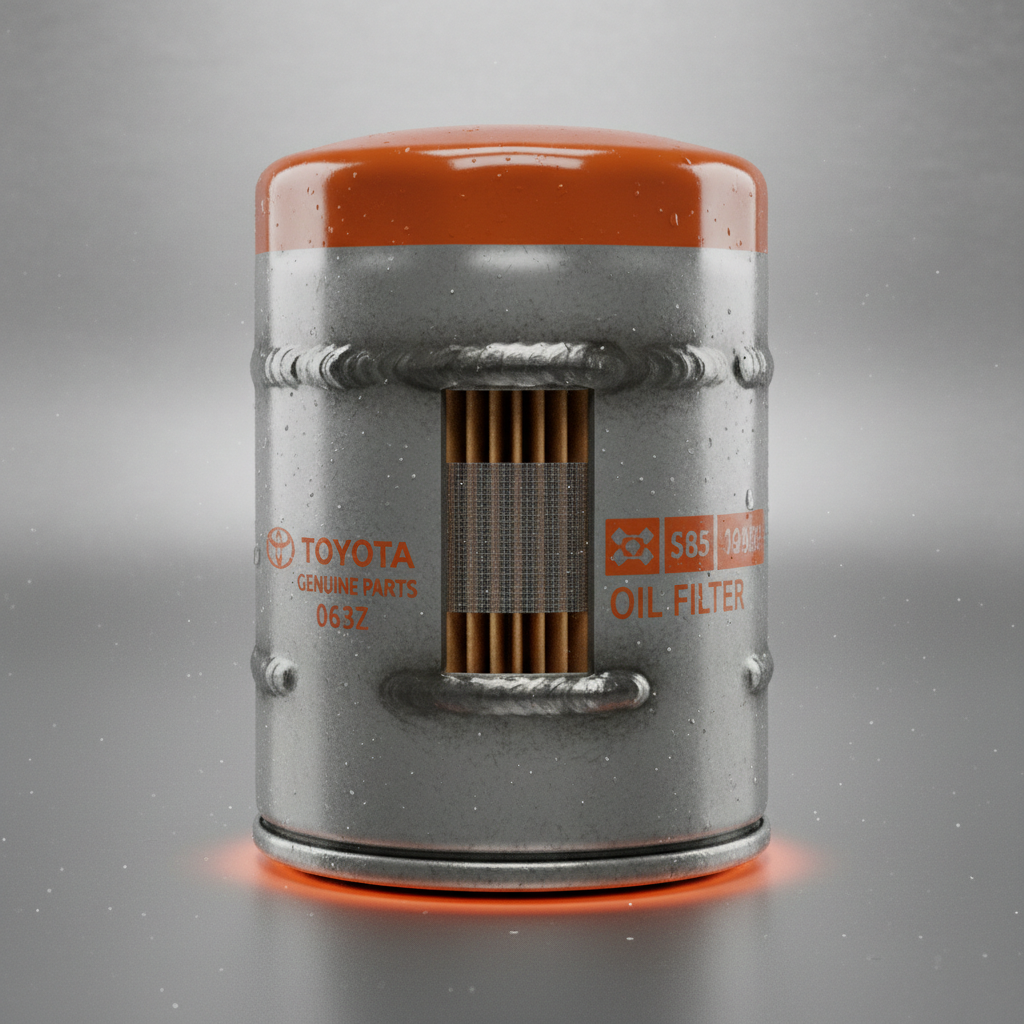
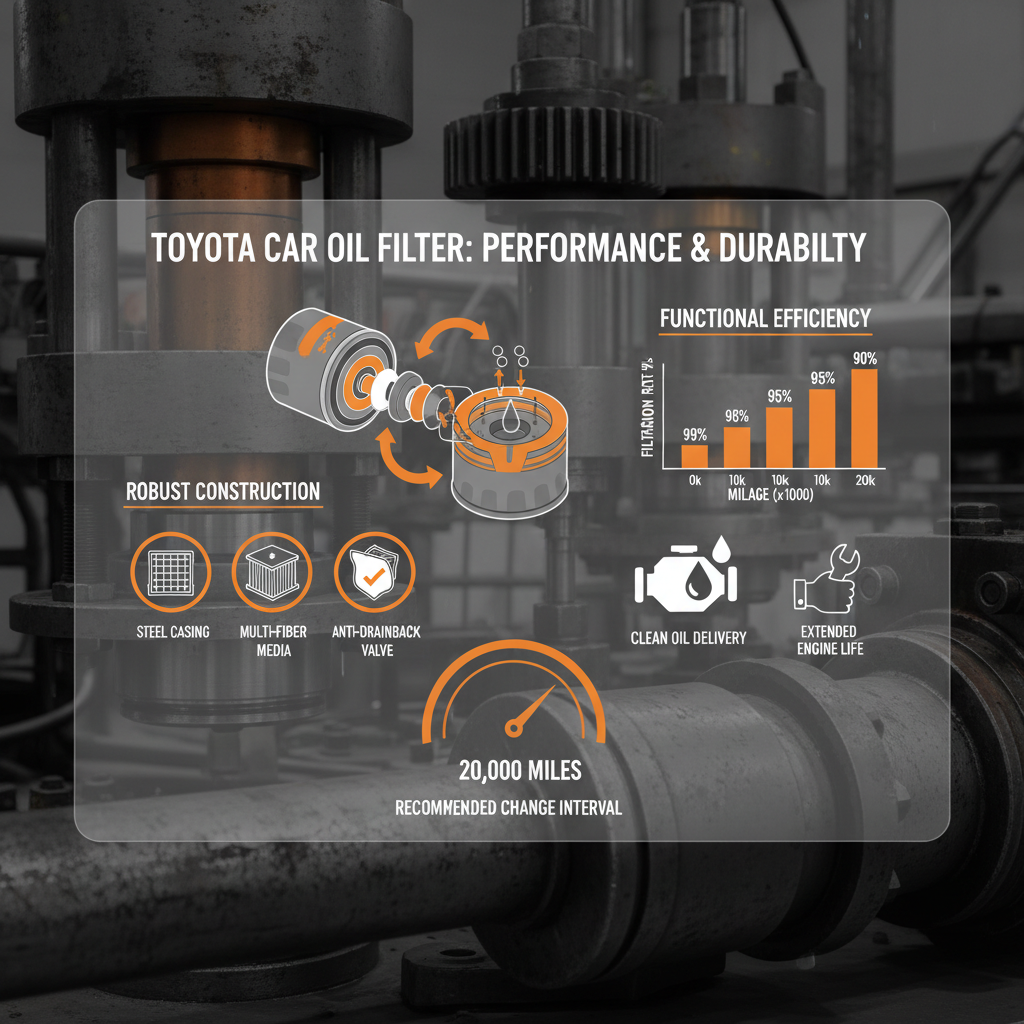
The toyota car oil filter is arguably one of the most vital, yet often overlooked, components in any Toyota vehicle. Its role extends far beyond simply catching dirt and debris. A properly functioning filter is the first line of defense against engine wear, preventing abrasive particles from circulating and causing damage to critical engine components. This preservation directly impacts the engine's lifespan and performance.
Neglecting regular toyota car oil filter replacement can lead to a cascade of problems. As the filter becomes clogged, oil flow is restricted, increasing stress on the oil pump and potentially leading to overheating. Reduced lubrication exacerbates friction, causing increased wear on pistons, bearings, and other moving parts. Ultimately, this can result in costly engine repairs or even complete engine failure.
Generally, you should change your toyota car oil filter with every oil change, typically every 5,000 to 7,500 miles for conventional oil and 10,000 to 15,000 miles for synthetic oil. However, always refer to your Toyota’s owner’s manual for specific recommendations based on your vehicle model and driving conditions. Severe driving conditions, such as frequent short trips or towing, may necessitate more frequent filter changes.
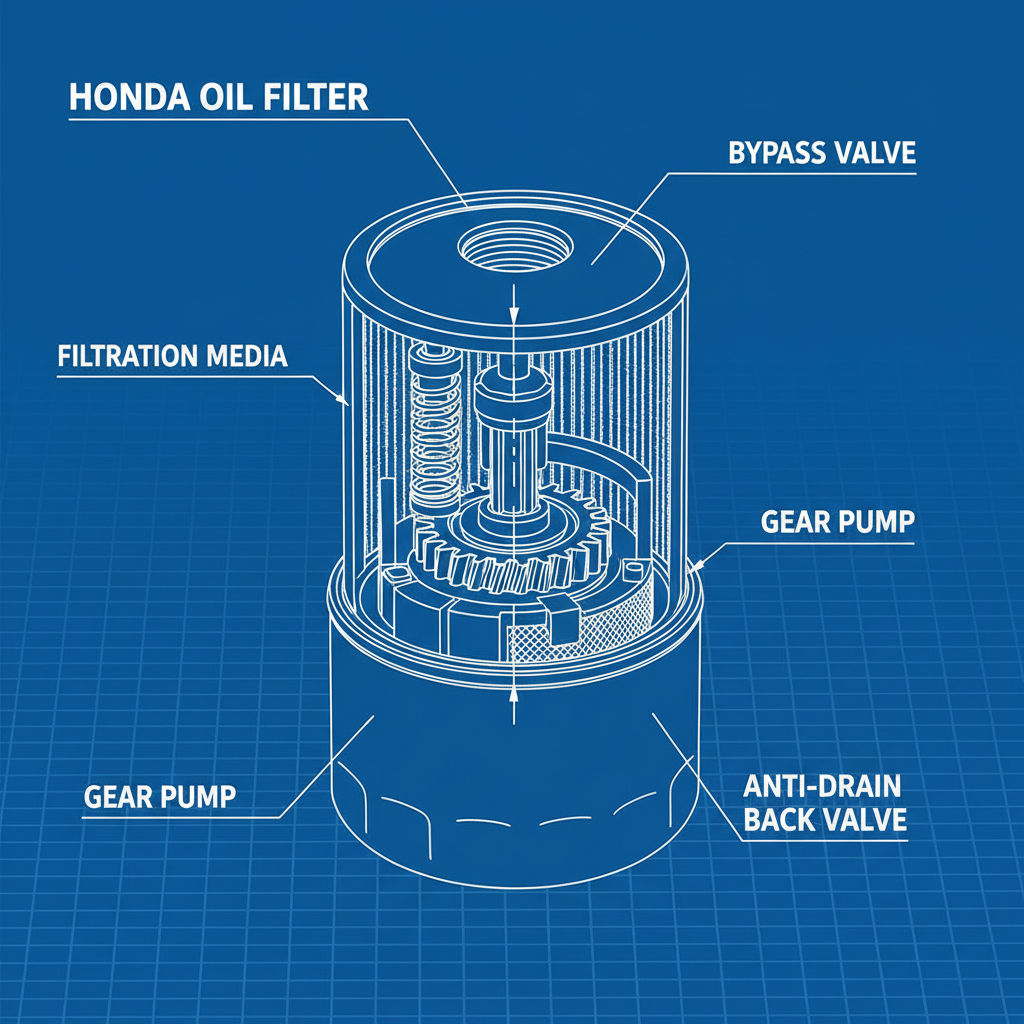
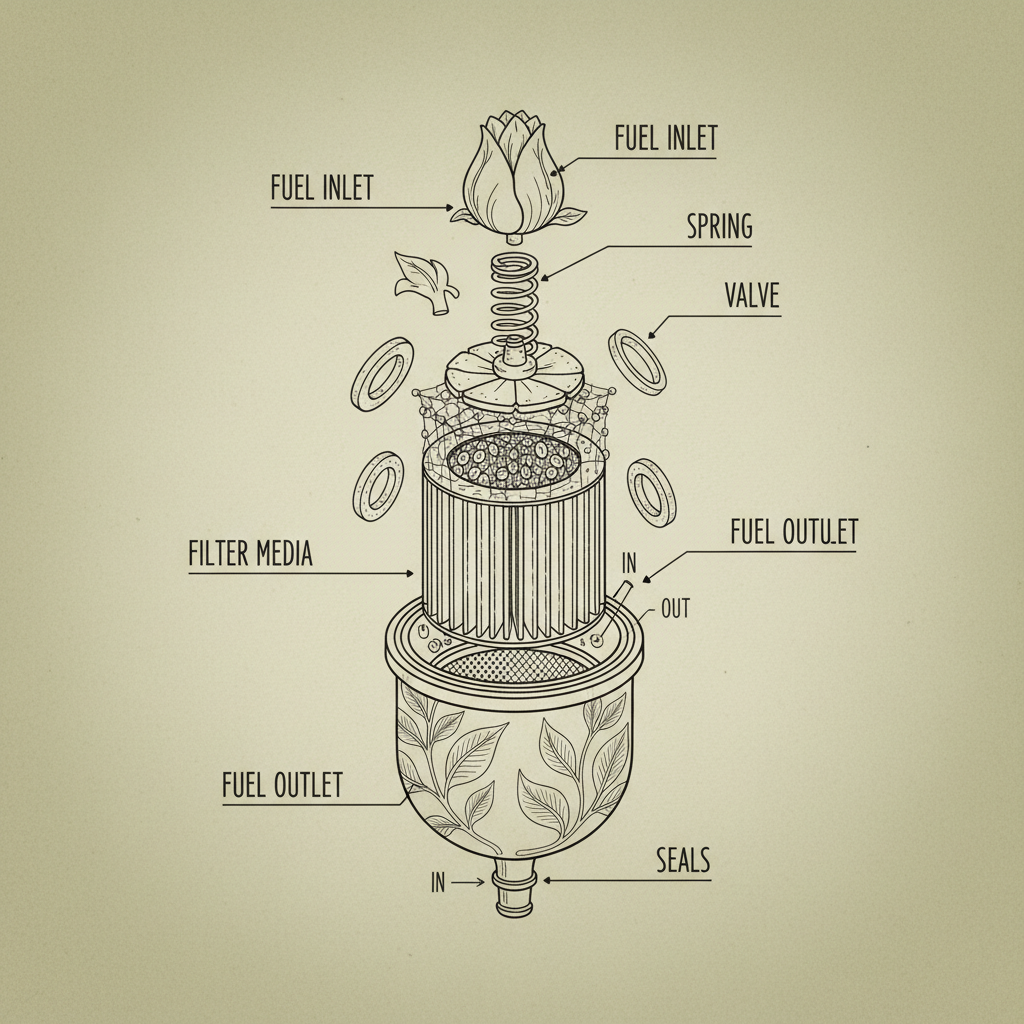
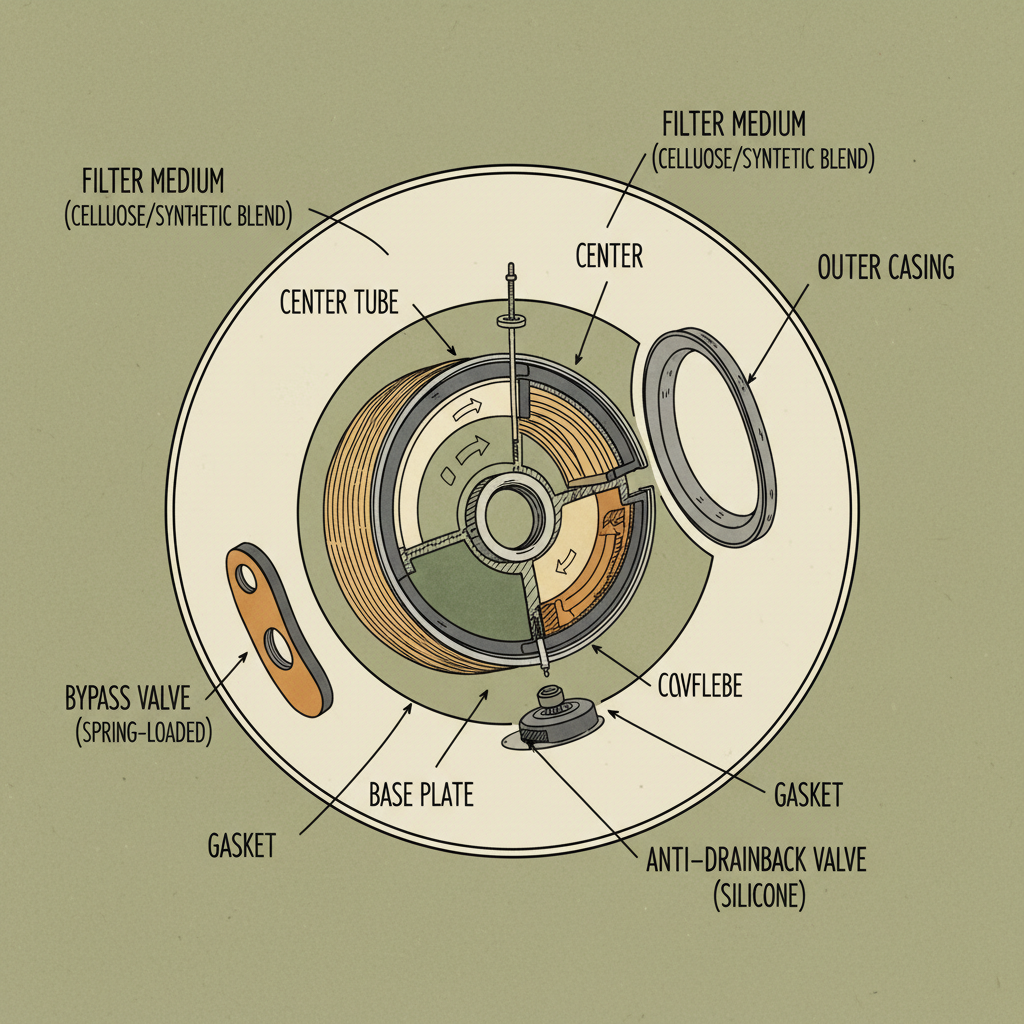
Spin-on filters are self-contained units that are easily twisted on and off the engine. Cartridge filters, commonly found in newer Toyota models, require removing a housing to access and replace the filter element itself. While both types effectively filter oil, cartridge filters often offer a slightly larger filtration area and are considered more environmentally friendly due to reduced metal waste.
While cheaper alternatives may be tempting, using a toyota car oil filter that doesn’t meet Toyota’s OEM specifications can compromise engine performance and potentially lead to damage. OEM or reputable aftermarket filters are engineered to provide optimal filtration efficiency, durability, and compatibility with your Toyota’s engine. Investing in a quality filter is a cost-effective way to protect your engine.
Signs of a clogged toyota car oil filter include reduced engine oil pressure (indicated by the oil pressure warning light), engine knocking or rattling noises, decreased fuel economy, and a general loss of engine power. If you experience any of these symptoms, it's crucial to check and replace your filter immediately.
A full-flow toyota car oil filter directs all the engine oil through the filter media for maximum cleaning. A bypass filter, typically used in conjunction with a full-flow filter, filters only a portion of the oil but uses a finer media to remove smaller particles. Most toyota car oil filters are full-flow; a bypass system is less common.
While a high-quality filter can help maintain oil cleanliness for a longer period, it's generally not recommended to significantly extend the oil change interval beyond what's specified in your Toyota’s owner’s manual. Oil degrades over time, even with a good filter, and loses its lubricating properties. Sticking to the recommended intervals ensures optimal engine protection.
In conclusion, the toyota car oil filter is an essential component for maintaining the health and longevity of your Toyota vehicle. Understanding its function, key characteristics, and the importance of regular replacement is crucial for preventing engine wear, maximizing fuel efficiency, and ensuring a reliable driving experience. Choosing a quality filter that meets or exceeds Toyota’s OEM specifications is a vital investment in your vehicle’s future.
Looking ahead, advancements in filter technology promise even greater filtration efficiency, extended service intervals, and a reduced environmental impact. By staying informed about these developments and prioritizing preventative maintenance, Toyota owners can confidently navigate the road ahead, knowing their engine is well-protected. For reliable toyota car oil filter and expert advice, visit our website today!