The air we breathe within our vehicles significantly impacts our health and well-being, particularly during extended commutes. A carbon cabin filter plays a crucial role in enhancing in-cabin air quality by removing pollutants, allergens, and odors. Understanding the functionality and benefits of these filters is essential for anyone prioritizing a healthy driving experience.
Globally, concerns about air pollution are rising, leading to increased demand for effective air purification solutions in various environments, including vehicles. The automotive industry is responding by integrating advanced filtration systems, with carbon cabin filter technology at the forefront. This is driven by both regulatory pressures and consumer demand for cleaner air.
Ultimately, investing in a high-quality carbon cabin filter is a proactive step towards protecting your health and improving your overall driving experience. Proper filtration contributes to a more comfortable and safer journey for both drivers and passengers.
Introduction to Carbon Cabin Filters
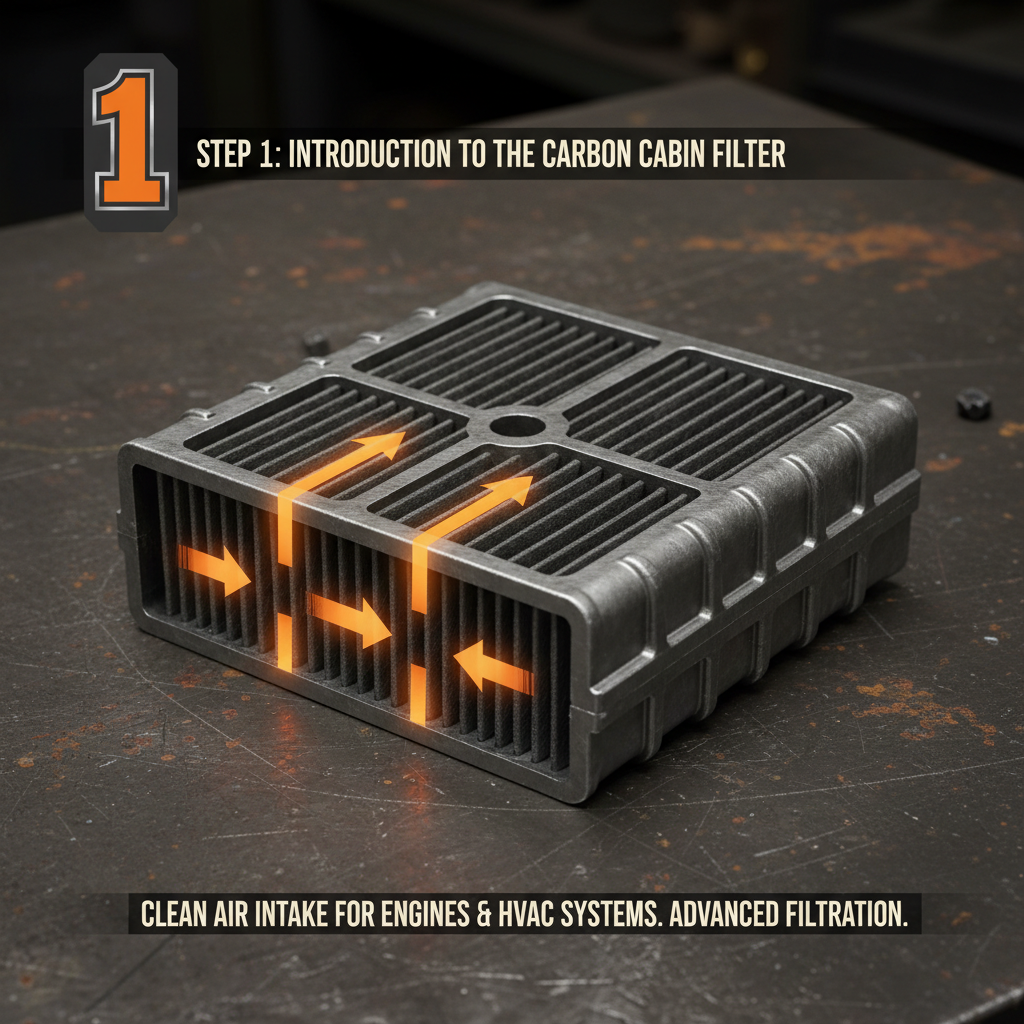
Carbon cabin filters are increasingly becoming a standard feature in modern vehicles, largely due to growing awareness of the impact of air pollution on human health. These filters go beyond basic particle filtration, actively removing harmful gases and odors, contributing to a healthier and more comfortable in-cabin environment.
The primary function of a carbon cabin filter is to cleanse the air entering the vehicle's ventilation system, protecting both the driver and passengers from airborne pollutants. These pollutants can originate from both external sources, like traffic emissions, and internal sources, such as outgassing from vehicle materials.
Global Relevance and Air Quality Concerns
Worldwide, air pollution is a major public health issue, responsible for millions of premature deaths each year, according to the World Health Organization (WHO). Urban areas, in particular, face significant challenges from vehicle emissions and industrial activity, making effective air filtration essential.
The United Nations Environment Programme (UNEP) consistently highlights the urgent need for improved air quality standards, especially in developing countries. This translates to increased demand for technologies like carbon cabin filters as individuals seek personal protective measures against harmful airborne particles.
ISO standards are evolving to address the growing need for robust air filtration systems in automotive applications. These standards guide manufacturers in developing and testing filters that effectively remove a wide range of pollutants, ensuring a higher level of in-cabin air quality and driver safety.
Defining Carbon Cabin Filters
A carbon cabin filter is a type of air filter used in vehicles to remove contaminants from the air that enters the passenger compartment. Unlike traditional particulate filters, these filters incorporate activated carbon to absorb odors, gases, and volatile organic compounds (VOCs).
The connection to modern industry stems from advancements in material science and increasing environmental regulations. Automotive manufacturers are now required to meet stringent air quality standards within vehicle cabins, making carbon cabin filter technology a necessary component of their designs.
This technology isn't limited to automotive applications; similar filters are used in HVAC systems, industrial ventilation, and even personal protective equipment, demonstrating the broad humanitarian need for effective air purification solutions.
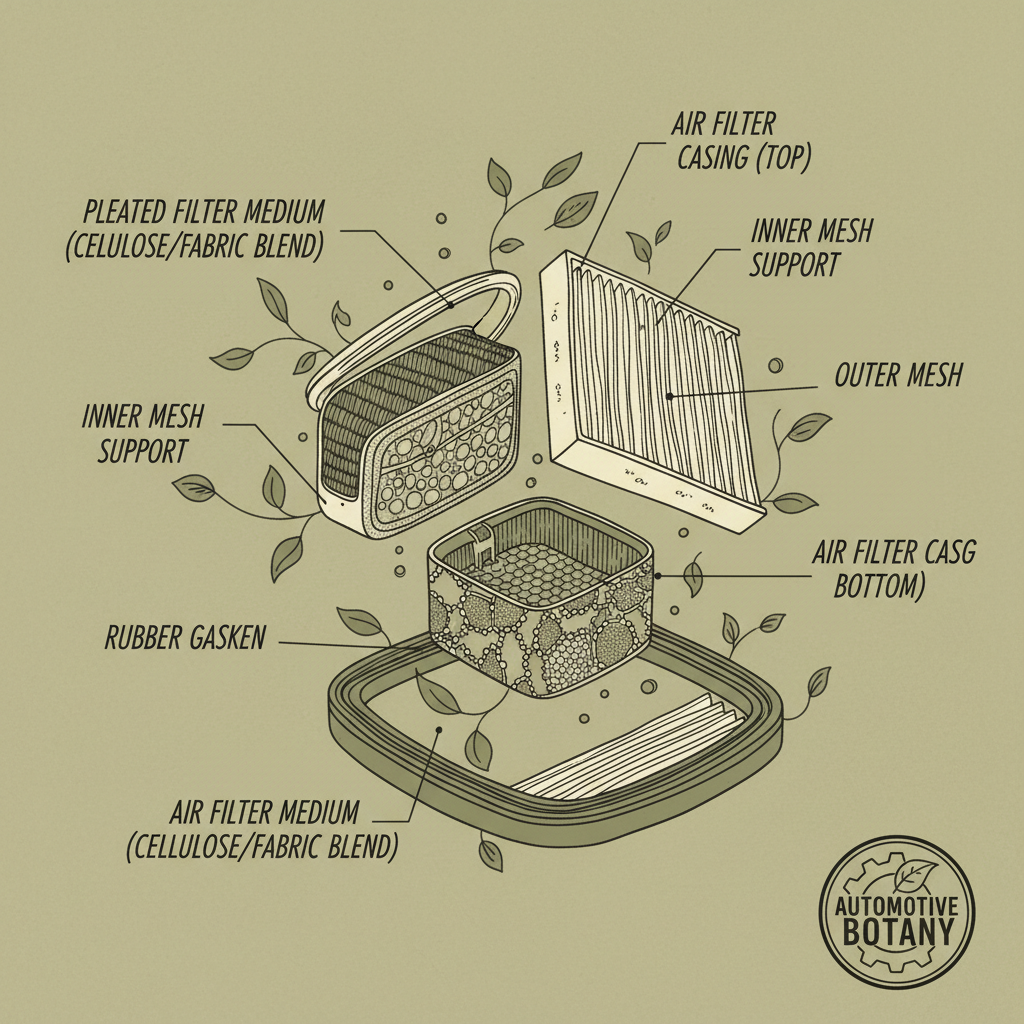
Core Components of Effective Filters
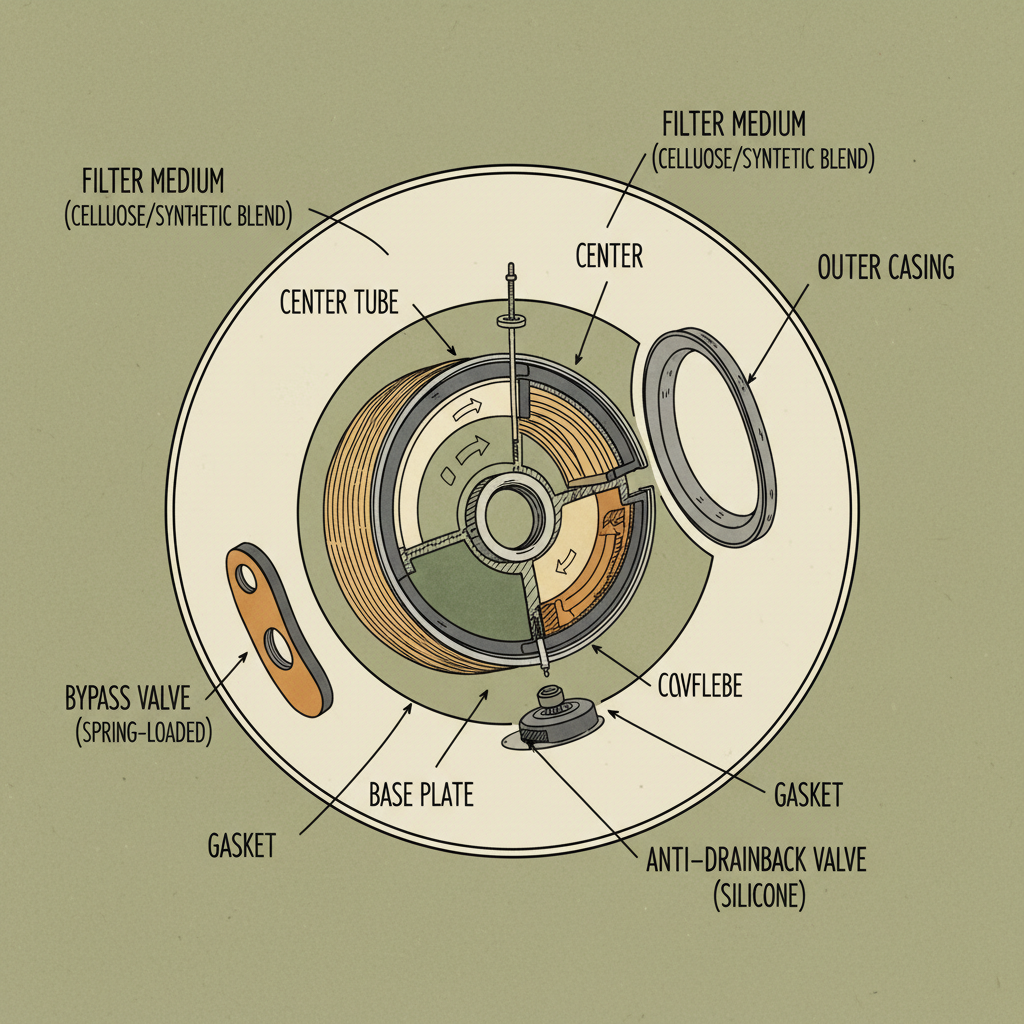
Several key factors contribute to the effectiveness of a carbon cabin filter. Firstly, the quality of the activated carbon is paramount; higher-grade carbon offers greater adsorption capacity. Secondly, the filter media's density and structure influence its ability to trap particulate matter.
Filter efficiency, measured by its ability to remove particles of specific sizes (often expressed as MERV ratings), is another crucial aspect. Durability and lifespan also play a significant role, determining how frequently the filter needs to be replaced.
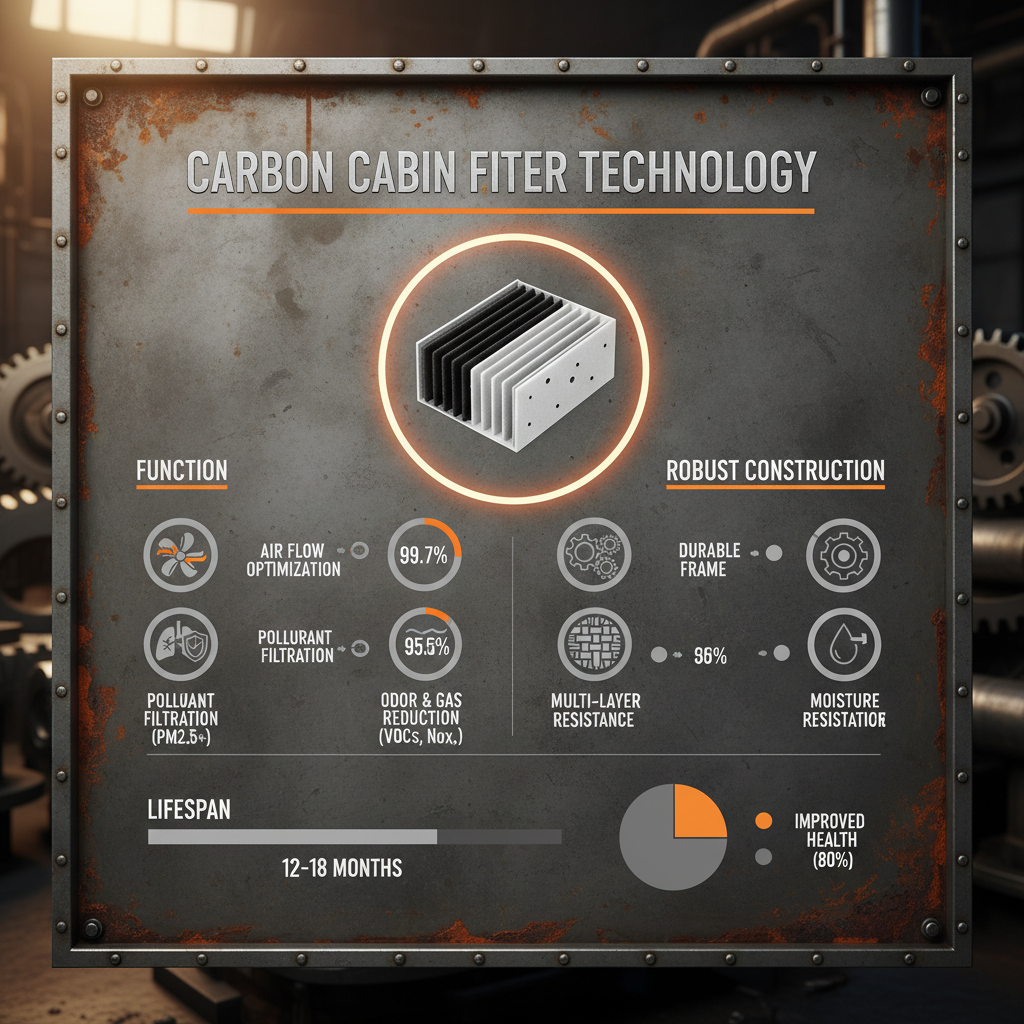
Carbon Cabin Filter Performance Metrics
Global Applications and Automotive Integration
Carbon cabin filters are now standard equipment in the vast majority of new vehicles sold in North America, Europe, and increasingly, Asia. Automotive manufacturers are integrating these filters as a key component of their in-cabin air purification systems.
In regions with high levels of air pollution, such as major cities in China and India, the demand for advanced carbon cabin filter technology is particularly strong. Consumers are actively seeking vehicles equipped with effective air filtration systems to protect themselves and their families from harmful pollutants.
Advantages and Long-Term Value
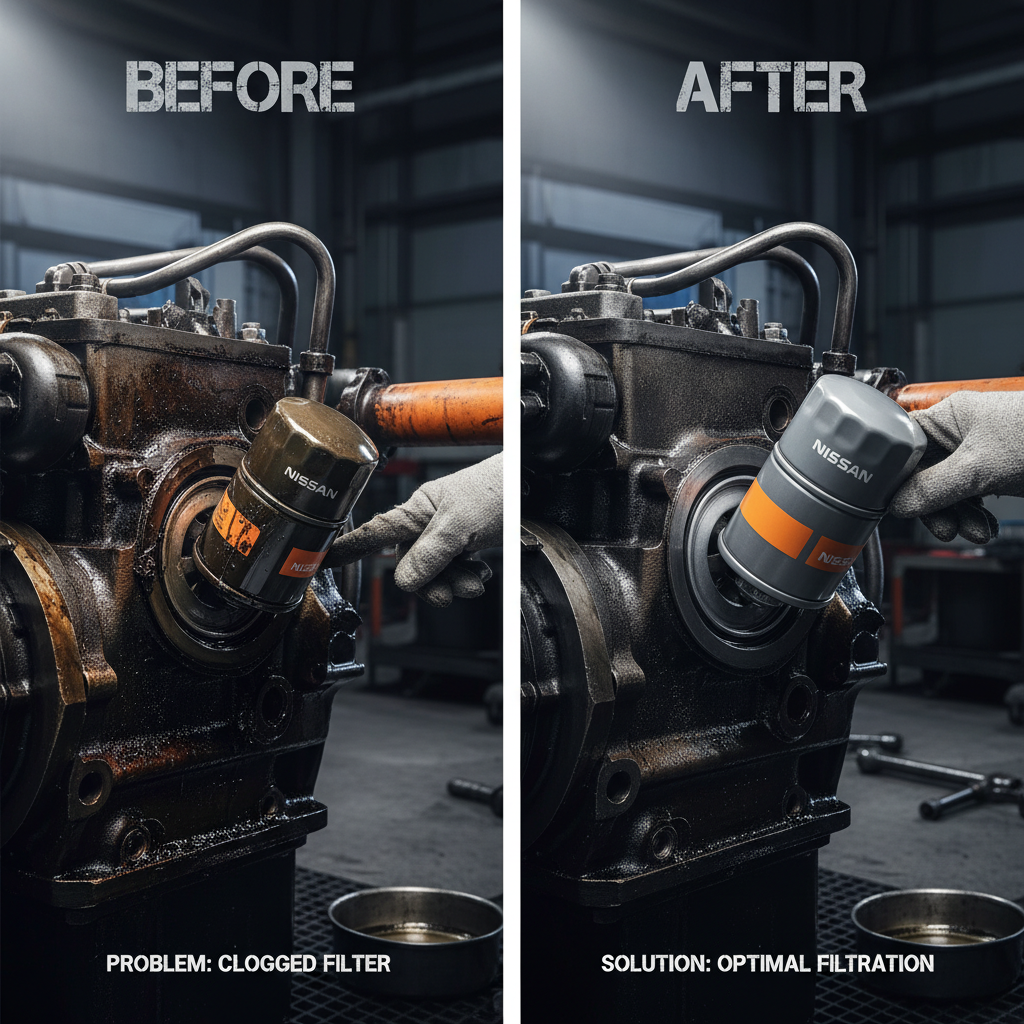
The tangible benefits of using a carbon cabin filter extend beyond just cleaner air. Regular filter replacement can improve the vehicle's HVAC system efficiency, potentially leading to fuel savings. Furthermore, a cleaner cabin environment reduces the risk of respiratory problems and allergic reactions for passengers.
From a sustainability perspective, a well-maintained HVAC system contributes to the longevity of the vehicle. The emotional value lies in providing a safer and more comfortable environment, promoting peace of mind for drivers and passengers, and building trust in the vehicle's quality.
Future Trends in Cabin Air Filtration
Innovation in materials science is driving the development of next-generation carbon cabin filters. Researchers are exploring the use of nanomaterials and advanced polymers to enhance filtration efficiency and durability. Smart filters, equipped with sensors to monitor air quality and filter life, are also emerging.
The integration of digital technologies, such as remote monitoring and automated filter replacement notifications, will further enhance the user experience. Increasingly stringent environmental regulations and growing consumer awareness will continue to fuel demand for advanced cabin air filtration solutions.
Expect to see a push toward sustainable filter materials, reducing the environmental impact of manufacturing and disposal. The trend towards electric vehicles (EVs) will also influence filter design, as EVs often have different HVAC system configurations.
Summary of Carbon Cabin Filter Performance Comparison
| Filter Type |
Particulate Matter Removal |
Gas & Odor Adsorption |
Lifespan (Months) |
| Standard Particulate Filter |
8/10 |
2/10 |
6 |
| Basic Carbon Cabin Filter |
7/10 |
6/10 |
9 |
| Premium Carbon Cabin Filter |
9/10 |
8/10 |
12 |
| HEPA Carbon Cabin Filter |
10/10 |
9/10 |
10 |
| Anti-Allergen Carbon Filter |
8/10 |
7/10 |
8 |
| Activated Carbon Cloth Filter |
7/10 |
8/10 |
10 |
FAQS
The recommended replacement interval for a carbon cabin filter varies depending on driving conditions and air quality. However, a general guideline is to replace it every 12,000 to 15,000 miles or annually, whichever comes first. If you frequently drive in polluted areas or experience strong odors, you may need to replace it more often. Checking the filter visually for dirt and debris is also a good practice.
While both HEPA and carbon cabin filters improve air quality, they work differently. HEPA filters excel at removing particulate matter like dust and pollen, while carbon filters absorb gases, odors, and volatile organic compounds (VOCs). Some filters combine both technologies for comprehensive air purification.
Yes, a carbon cabin filter can significantly help reduce allergy symptoms. By removing pollen, dust mites, and other airborne allergens from the vehicle's cabin, it creates a more comfortable environment for allergy sufferers. Look for filters specifically marketed as "anti-allergen" for enhanced performance.
Several signs indicate a need for filter replacement. These include a decrease in airflow from the vents, unpleasant odors when the AC or heater is running, and increased dust buildup on surfaces inside the vehicle. Visually inspecting the filter for dirt and discoloration can also confirm if it needs replacing.
The cost of a carbon cabin filter replacement varies depending on the vehicle make and model, as well as the filter quality. Generally, they range from $20 to $60. While professional installation is an option, many vehicle owners can replace the filter themselves with minimal tools and effort.
Activated carbon filters go beyond removing dust and pollen. They effectively absorb odors, gases, and harmful VOCs that a standard particulate filter misses. This results in cleaner, fresher air and a healthier in-cabin environment, reducing exposure to irritating and potentially dangerous pollutants.
Conclusion
In conclusion, carbon cabin filters represent a vital component of modern vehicle maintenance, directly impacting the health and well-being of drivers and passengers. From mitigating the effects of global air pollution to enhancing in-cabin comfort and safety, the benefits are undeniable. Their effectiveness hinges on understanding core components, recognizing future trends, and proactively addressing existing challenges.
Looking ahead, continuous innovation in filter technology, combined with increased consumer awareness and stricter environmental regulations, will further solidify the role of carbon cabin filters as an essential element of a healthy and sustainable driving experience. Visit our website at www.antfilter.com to learn more about our range of high-performance filters and how we can help you breathe easier on the road.