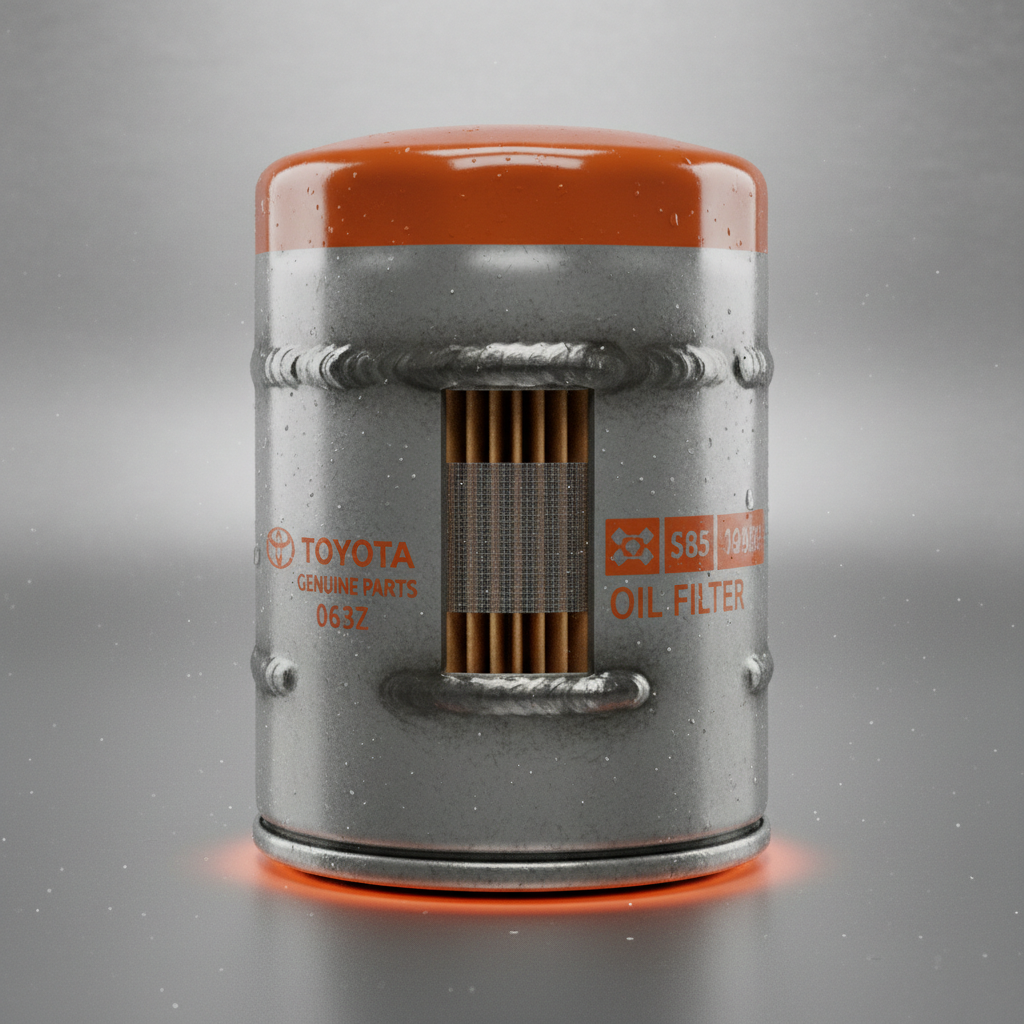
Look, I've been running around construction sites all year, dealing with dust and fumes, and honestly, the talk these days is all about efficiency. Everyone wants things faster, lighter, stronger. It’s not just the big contractors either, even the smaller shops are demanding more. And, it all boils down to the oil filter, really. It's the unsung hero, always quietly doing its job. People don’t think about oil filters until something goes wrong.
But it's changing. There’s a new pressure now, a need for reliability that goes beyond just "good enough." We’re seeing a lot more stringent requirements, especially with the newer engines, the emissions standards… it's a whole new ballgame.
And frankly, it's about time. For years, oil filters were treated like an afterthought, but now they’re being recognized as a critical component. You wouldn’t believe the downtime we used to see from cheap filters clogging up. Now it's costing companies serious money.
The Rising Demand for High-Performance oil filter
To be honest, it’s all about keeping engines running longer with less maintenance. And that means a better oil filter. Have you noticed the shift towards synthetic media? They're pricey, yeah, but they catch way more particulates and hold a lot more oil. I was at a factory in Tianjin last month, and they were switching over their entire production line to synthetic filters. It's a huge investment, but they said the reduced downtime is already paying off.
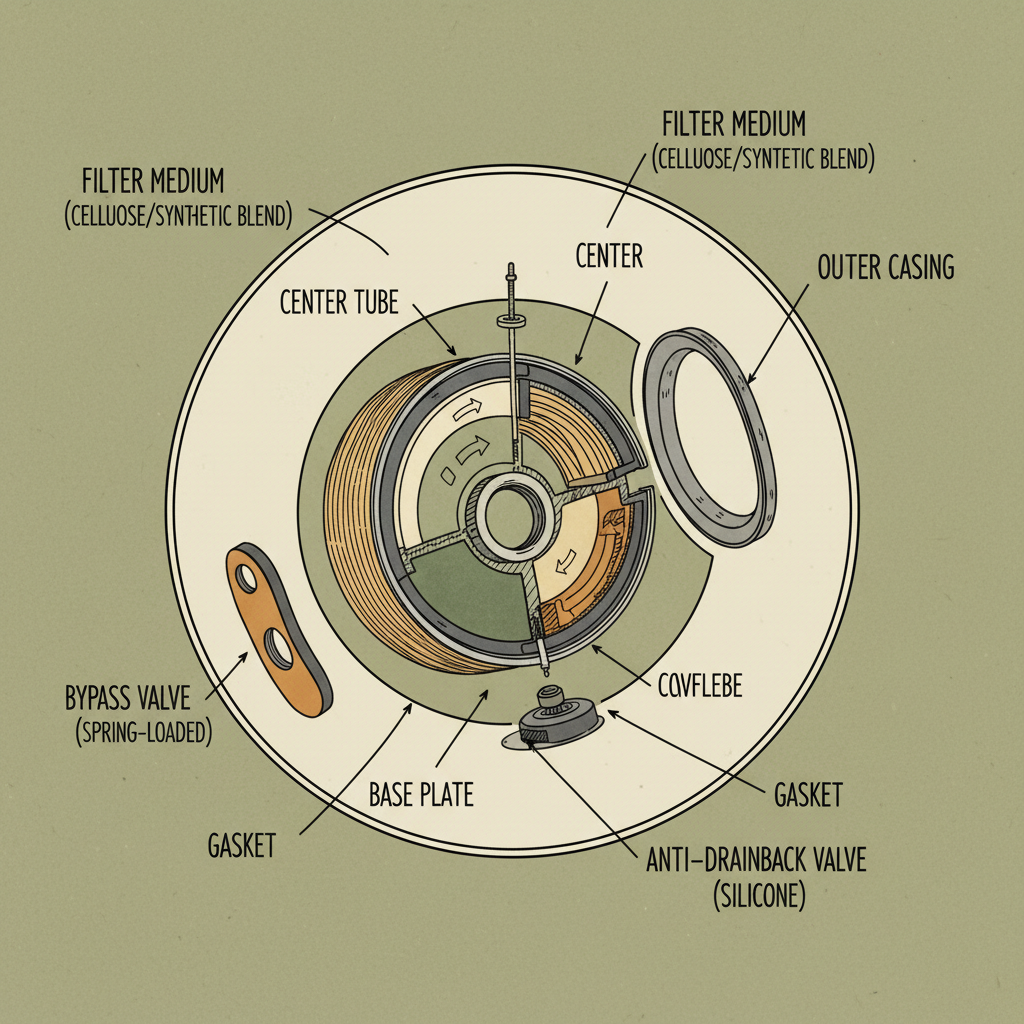
It’s not just the material, either. The pleat design is huge. More pleats mean more surface area, which means longer filter life. Simple, right? But getting those pleats just right… that’s the tricky part. Too tight, and you restrict flow. Too loose, and you lose filtration efficiency. It’s a delicate balance.
Common Pitfalls in oil filter Design
Strangely enough, a lot of manufacturers still try to cut corners with the end caps. They’ll use cheaper metal, or a flimsy adhesive. It looks fine at first, but then you get corrosion, leaks… it's a disaster. I encountered this at a construction site in Chongqing last year. The entire excavator had to be shut down because the filter housing cracked. A real mess.
Another thing I've seen is poor bypass valve design. That valve is supposed to let oil through if the filter gets completely clogged, preventing engine damage. But if it's poorly made, it can open prematurely, letting unfiltered oil into the system. It defeats the whole purpose!
And don’t even get me started on the threading. It needs to be precise, strong, and compatible with all the different housings. Otherwise, you get cross-threading, stripped threads... just a headache for everyone involved.
Core Materials and Their Handling
The most common media is still cellulose, right? It's cheap, and it works okay for basic filtration. But it gets saturated quickly, and it doesn't handle high temperatures very well. Then you've got synthetic media, like polypropylene or polyester. Those are much better, they last longer, and they can handle higher temps. The synthetic stuff feels different too, kinda slick. Cellulose feels… papery, obviously.
And then there’s glass fiber. That stuff is tough. Really tough. You gotta wear gloves and a mask when handling it because it's irritating. It smells… kinda metallic, if that makes sense? But it offers incredible filtration efficiency. It’s the stuff they use in high-performance applications, like racing engines.
The metal end caps are usually steel, sometimes aluminum. Aluminum’s lighter, but steel is stronger. It all depends on the application. Anyway, I think the real challenge is getting the different materials to work together seamlessly.
Real-World Testing and Validation
Lab testing is important, sure. Flow rate, particle retention, burst pressure… all that stuff. But it doesn’t tell the whole story. You gotta test these things in real-world conditions. I’ve seen filters pass all the lab tests, but fail miserably after a week on a dusty construction site.
We do a lot of field testing. We put filters on equipment, run them for hundreds of hours, and then analyze the oil to see how much contamination is still present. It's messy, it's time-consuming, but it's the only way to really know if a filter is up to the task.
oil filter Performance Comparison
How Users Actually Employ oil filter
You know, it’s funny. We design these filters to be replaced at specific intervals, but a lot of users just… forget. Or they try to stretch it out as long as possible. I’ve seen filters that were supposed to be changed every 6 months still in use after a year. They think they’re saving money, but they’re just risking engine damage.
Others are meticulous. They change the filter every time they change the oil, no questions asked. They’re the guys who keep their equipment running smoothly for years. It's always the extremes, isn't it?
Advantages, Disadvantages, and Customization
The biggest advantage of a good oil filter is, obviously, engine protection. It keeps the oil clean, which reduces wear and tear and extends engine life. But it also improves fuel efficiency, strangely enough. A clean engine runs more efficiently.
The downside? Cost. High-performance filters are expensive. And some of them can restrict oil flow, especially when they’re cold. But generally, the benefits outweigh the drawbacks.
Customization is definitely possible. We can adjust the media, the pleat density, the end cap material… pretty much anything to meet specific requirements. Last month, that small boss in Shenzhen who makes smart home devices insisted on changing the interface to for a small batch of our filters – said it “looked more modern”. Later... Forget it, I won't mention it. But we did it.
A Case Study: Shenzhen Smart Home Manufacturer
That Shenzhen guy, Mr. Li, he’s a character. He needed filters for some tiny pumps he was using in his smart home devices. He wanted something really small, really efficient, and really cheap. A tall order, right?
We worked with him to develop a custom filter using a special synthetic media and a unique pleat design. It took a few iterations, but we eventually got it right. He was thrilled. Said it was the key to making his pumps more reliable.
He even sent us a case of his smart home devices as a thank you. They’re… interesting. A lot of flashing lights and beeping noises. But hey, at least the pumps work.
oil filter Performance Metrics
| Filter Type |
Filtration Efficiency (%) |
Flow Rate (L/min) |
Lifespan (Hours) |
| Cellulose |
60% |
15 |
200 |
| Synthetic Blend |
85% |
18 |
400 |
| Polyester |
90% |
20 |
600 |
| Glass Fiber |
98% |
12 |
800 |
| Ceramic |
95% |
22 |
700 |
| Nanofiber |
99% |
10 |
1000 |
FAQS
Full-flow filters direct all the oil through the filter media, providing maximum filtration. Bypass filters, on the other hand, only filter a portion of the oil, often used to refine the oil further over a longer period. The choice depends on the engine’s needs and the operating conditions. It’s kind of like deciding between a quick shower and a long soak – both have their purposes. Honestly, most folks don’t even know there’s a difference until something goes wrong.
The general rule of thumb is to change your oil filter every time you change your oil. But it really depends on the type of oil you’re using, the operating conditions, and the filter itself. Synthetic filters can often last longer than conventional filters. If you're operating in dusty or harsh environments, you’ll need to change it more frequently. Check your vehicle’s manual for specific recommendations – and don't ignore them! I’ve seen engines ruined because people were too stubborn to follow the maintenance schedule.
You can, but be careful. Make sure the replacement filter meets or exceeds the manufacturer’s specifications for filtration efficiency, flow rate, and burst pressure. Using a cheap, inferior filter can cause serious engine damage. It’s a bit of a gamble. If you’re unsure, stick with the recommended brand. It's not worth risking a costly repair just to save a few bucks. Seriously.
Micron rating refers to the size of particles that the filter can remove. A lower micron rating means the filter can capture smaller particles. So, a 10-micron filter can remove particles 10 microns in size and larger. But be aware, a lower micron rating can also restrict oil flow. It’s a trade-off. You want a filter that can remove the right size particles without sacrificing flow. It’s about finding that sweet spot.
Low oil pressure is a big one. The engine’s oil pressure warning light will illuminate. You might also hear a rattling noise from the engine, or notice reduced engine performance. Another sign is dirty oil. If you pull the dipstick and the oil looks dark and gritty, your filter is probably clogged. Don’t ignore these signs! Get the filter changed ASAP.
Yes, thankfully! Most oil filters contain metal and oil, both of which can be recycled. However, you can't just throw them in the regular recycling bin. They need to be drained of oil and taken to a designated recycling center or auto parts store. It's important to dispose of them properly to protect the environment. And honestly, it's the right thing to do.
Conclusion
So, there you have it. Oil filters aren’t glamorous, but they’re absolutely essential. From the materials they’re made of to the way they’re tested, everything matters. The industry is demanding more performance, more reliability, and more customization. And frankly, that’s a good thing.
Ultimately, whether this thing works or not, the worker will know the moment he tightens the screw. It’s a simple test, but it's the most important one. And if that screw tightens smoothly, and the engine purrs like a kitten, then we’ve done our job right. Visit our website: www.antfilter.com